0

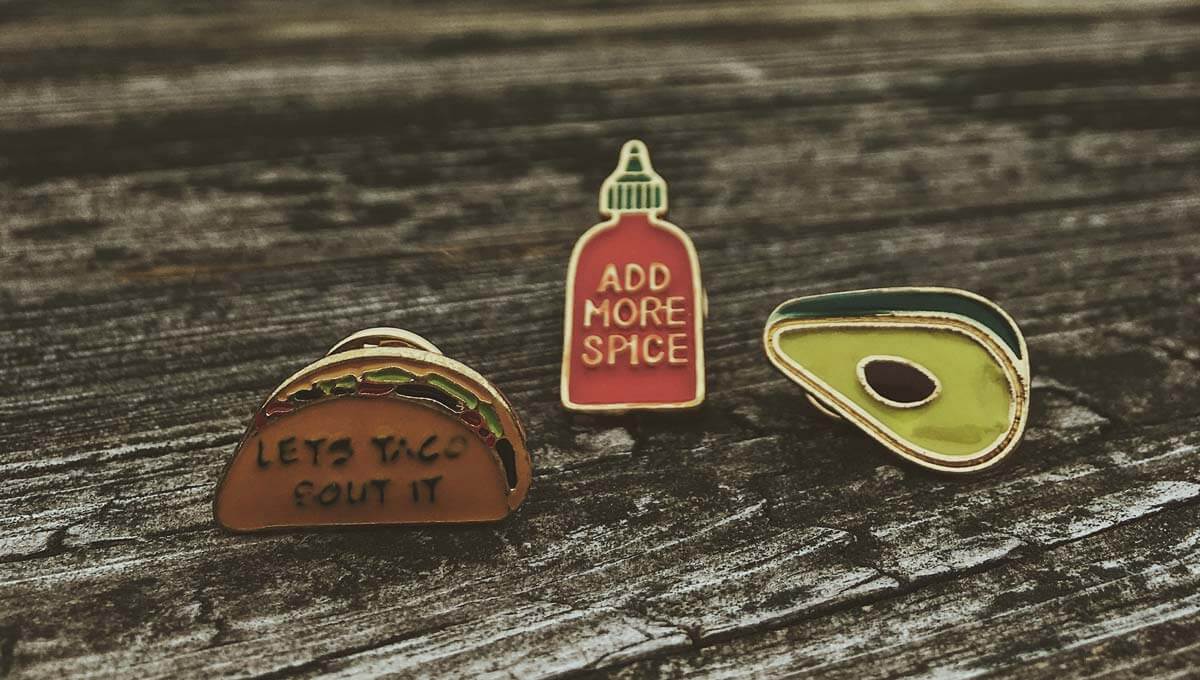
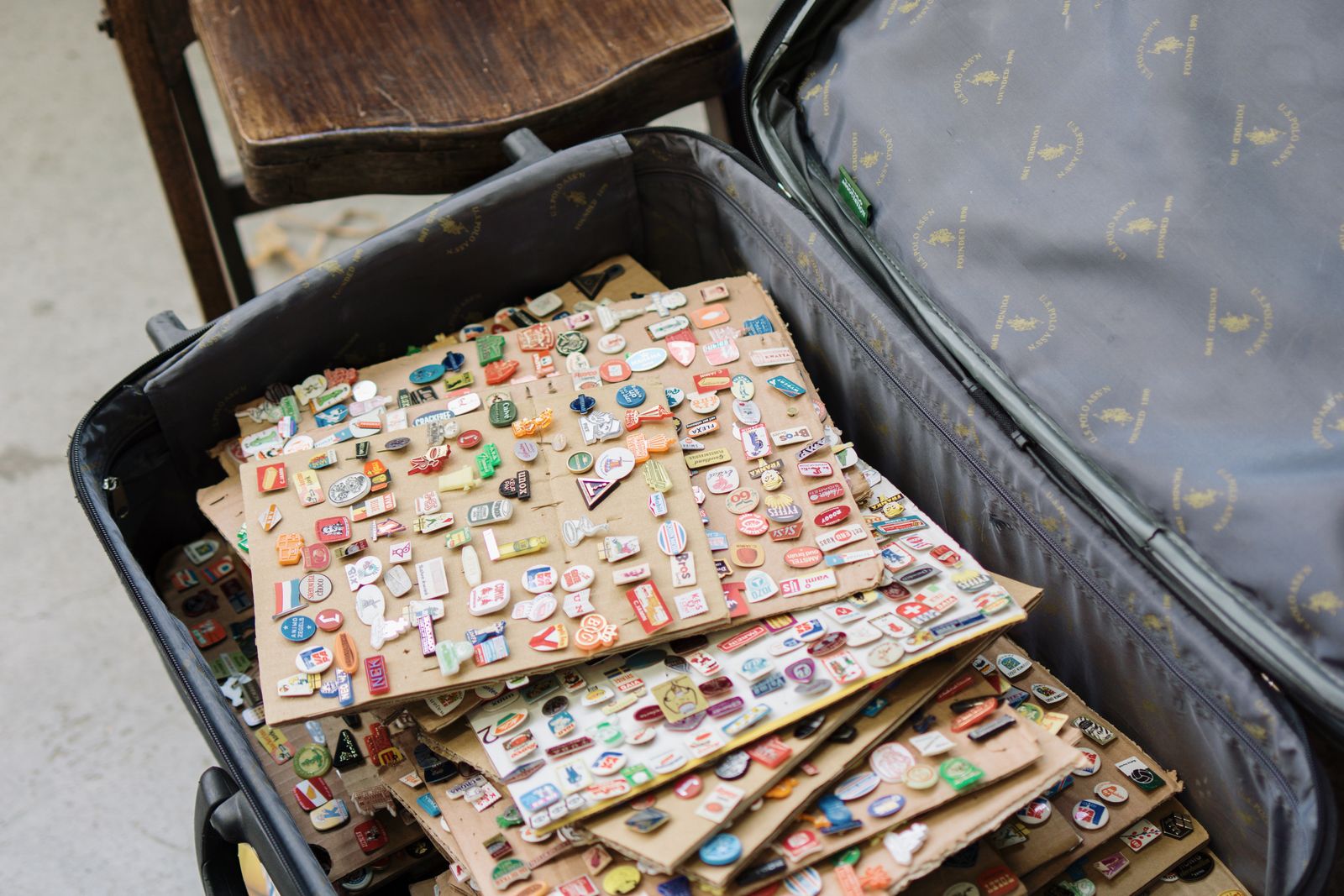
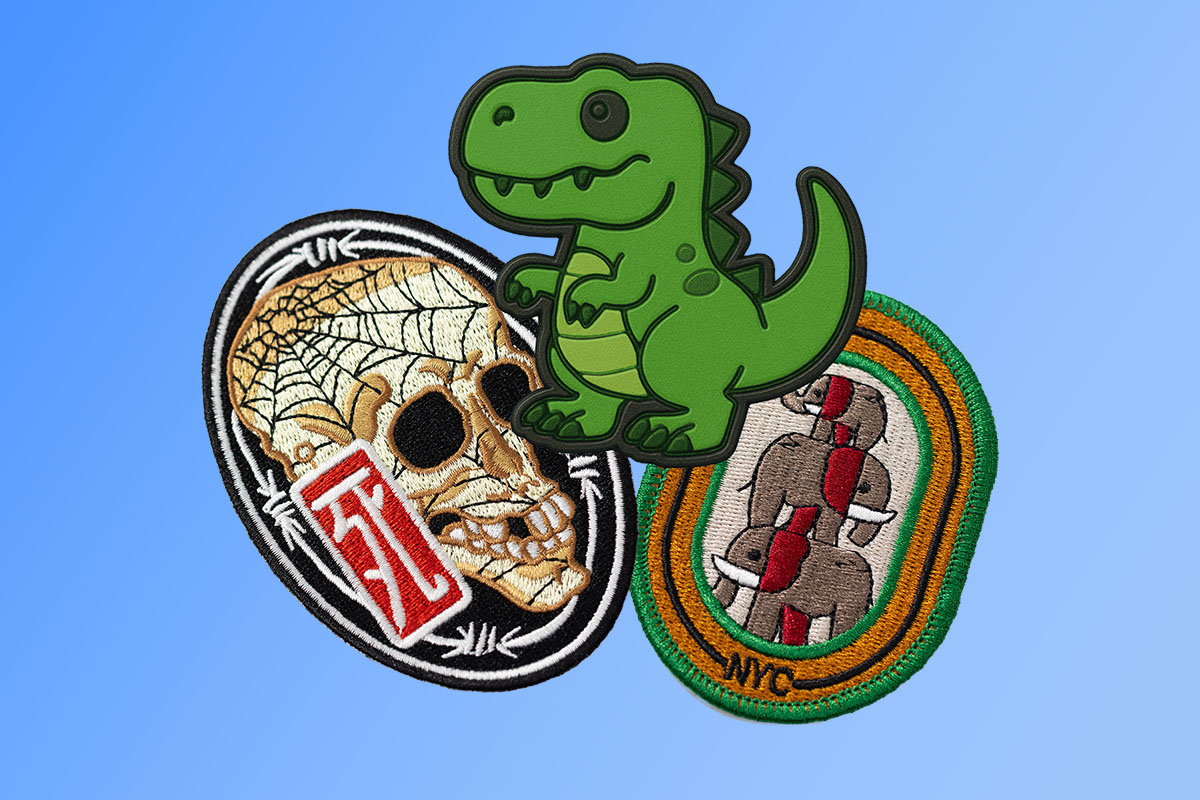
- A lapel pin is a small shaped metal piece with a stamped or printed design, usually colored with enamel, and a post (the nail) on the back.
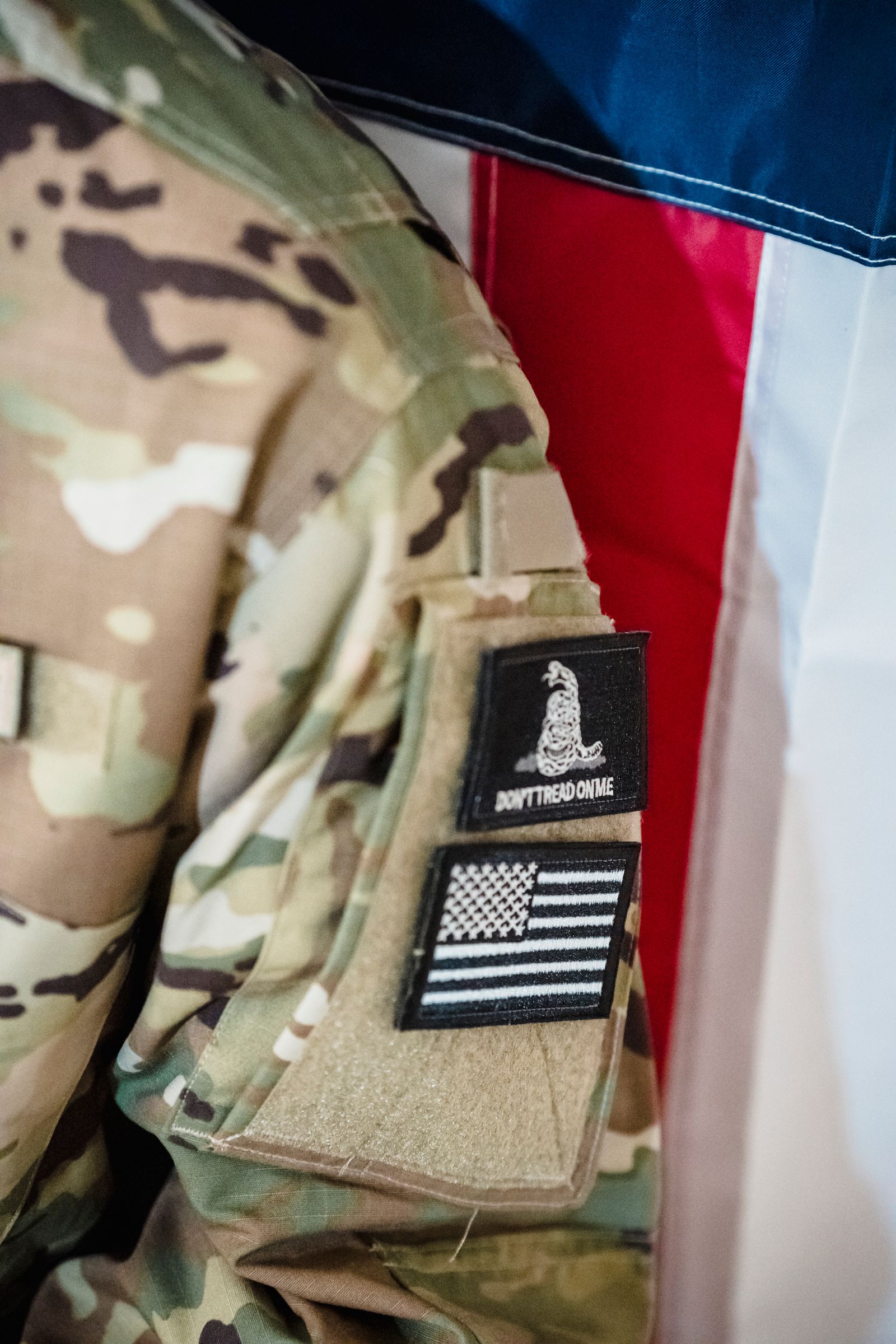
- The name comes from the suit coat lapel, but today most lapel pins are worn on jackets, backpacks, hats and lanyards.
- The clutch on the back does the real work. Butterfly and rubber clutches come free with our pins; deluxe locking clutches and magnets cost extra.
- The five main types are soft enamel, hard enamel, offset printed, die struck and die cast.
- Under 1 inch suits a suit lapel; 1 to 1.5 inches is the most popular size overall.
A lapel pin is a small, shaped piece of metal with a design stamped or printed into it, usually colored with enamel, and a short post (we call it the nail) on the back that pushes through fabric and locks in place with a clutch. They're called lapel pins because they were first worn on the lapel of a suit coat. They count as costume jewelry, not fine jewelry.
That's what lapel pins are. The more useful question, if you're wearing one or ordering a batch, is how they're built and which parts you get to choose.
Lapel pins, quick definition
A lapel pin is a small decorative or symbolic pin worn on clothing. Most are a metal base shaped to the design, colored with enamel or printed ink, with a post on the back held by a clutch. You'll hear them called enamel pins, badges, or just pins. Today they show up on backpacks, hats and lanyards far more often than on suits.
On a suit, the traditional spot is the left lapel, up near the buttonhole. See how to wear a lapel pin for placement.
Are lapel pins and enamel pins the same thing? Mostly, yes. "Enamel pin" describes how it's colored; "lapel pin" describes where it was traditionally worn. We go into that in what is an enamel pin badge. A brooch is a different animal, with a hinged pin and catch instead of a post and clutch. Here's the full lapel pin vs. brooch breakdown.
How do lapel pins work?
You push the nail through the fabric, then press a small clutch over the pointed end behind the fabric. The clutch grips the nail, holds the pin in place, and covers the point so it doesn't jab you.
People order pins for the design on the front. Honestly, though, the clutch on the back is what makes a lapel pin work. It keeps the pin attached, keeps the point off your skin, and decides whether you still have the pin at the end of the day. It deserves more thought than it usually gets when ordering.
Here are the backs we see most (there are more in our guide to the 10 different types of lapel pin backings):
Butterfly clutch. If there's a standard, this is it. It's also called a military clutch. You pinch the two small wings to release it from the nail. It goes on and off easily and holds reasonably well under normal wear. Free with every order.
Rubber clutch. Same basic shape as the butterfly, made of rubber, with a hole just smaller than the nail. Friction does the holding: push it on, pull it off. It has caught on fast over the last several years and might end up replacing the butterfly as the standard. Also free with every order.
Deluxe (locking) clutch. The king of the standard-style clutches. An internal mechanism locks it onto the nail, and it only comes off with the right push-and-pull motion. Butterfly and rubber clutches hold about equally well but can work loose with enough movement or pressure. A deluxe clutch won't. It costs a little more, and it's the one we'd pick for anything worn on a jacket or backpack.
Magnet back. No nail at all. One magnet sits on the back of the pin, a second goes behind the fabric, and the two hold each other through most clothing, thick or thin. It's the answer for anyone who doesn't want holes in a good jacket (more on that in do pins damage clothes?). Magnets typically add about $1 per pin to the cost.
Stick pin. A different kind of attachment altogether. Instead of a short, thick nail standing straight out from the back, a stick pin is a long, fine pin, typically 1.5 to 2.5 inches, running parallel to the back of the design. You push it through the fabric, go down, come back out the front, and cap the point with a small protector. It has a much more delicate look and suits dressier clothing.
What are lapel pins made of?
Most of our lapel pins are made of iron, brass or zinc alloy; the design decides which metal is best. Stamped pins (soft enamel, hard enamel and die struck) are struck from thin sheets of iron, copper or brass, then electroplated. Die cast pins are made by injecting molten zinc alloy into a custom mold.
The plating is the metal color you see on the lines and edges: gold, silver, brass, copper, black nickel, dyed metal, and antique versions of those. Enamel colors are matched to the Pantone Solid Coated system, the industry standard for enamel work.
Flip one of our pins over and you'll find a small Custom Pins Now backstamp by default. You can have it removed, or replaced with your own logo or a message.
Types of lapel pins
There are five main types, and the difference is mostly about how the color gets onto the metal.
Soft enamel. Our most popular style. The enamel sits below raised metal lines, so you can feel the texture with your thumb. It's usually the more affordable choice, and colors look bright. Good for trading pins and events.
Hard enamel. The enamel is filled up to the top of the metal lines, baked at high temperature to cure it, then polished flat. The result is smooth, glossy and the most scratch-resistant of the enamel options. Good for corporate and award pins. Our soft enamel vs. hard enamel post compares the two side by side.
Offset printed. The design is printed rather than filled, then sealed under a clear epoxy dome. It's the only way to put a real photograph, a color gradient or very fine text on a pin. It's also our fastest turnaround.
Die struck. Metal only, no color, finished in polished or sandblasted gold or silver. This is the classic look for a suit lapel and for uniforms.
Die cast. Molten metal poured into a mold, which allows cut-outs, unusual shapes and 3D depth that stamping can't reach. Die cast pins can also be filled with enamel.
What size is a lapel pin?
We can make a lapel pin in any size, but here's the advice we usually give:
- Under 1 inch: professional, simple designs worn on a suit lapel.
- 1 to 1.5 inches: the most popular size for most pins.
- Over 1.5 inches: trading pins, collectibles and detailed designs.
More detail in what size are custom lapel pins?
What are lapel pins used for?
A pin says something without the wearer having to. Companies give them for years of service and hand them out at trade shows. Schools and teams use them for achievement and spirit. Nonprofits sell them as fundraisers. Collectors trade them at events. And plenty of people just wear one because they like it. Our own customers include more than 2,000 schools, departments, teams and companies, and the orders run from a small swim team's record pins to a business's first batch of logo pins.
Politicians are the most visible example. Flag pins on the lapel were rare before the mid-20th century, according to Wikipedia's lapel pin article; President Richard Nixon made wearing one a regular habit, and their use surged after September 11, 2001. Today a flag pin on a politician's suit is close to expected. If that's why you're here, read our American flag lapel pin etiquette rules.
For the longer history, see how long have lapel pins been around?
Lapel pin FAQ
Are lapel pins jewelry?
They're costume jewelry. Most are plated base metal rather than precious metal. We can do 14k gold plating, but our pins aren't made from precious metals. See are lapel pins jewelry?
What's the difference between a lapel pin and a button pin?
A lapel pin is shaped metal with enamel or print and a post-and-clutch back. A button pin is usually a round printed disc under a clear cover, with a pin back. Full comparison: enamel pin vs. button pin.
Can a lapel pin have no pin at all?
Yes. We can make the piece without the nail and clutch, a bit like a golf ball marker or a single-sided coin. Magnet backs are the other hole-free option.
How many lapel pins do I have to order?
Our minimum is 50 pieces for custom pins. Every order includes a free design and proof, usually within 4 hours, and free shipping in the US.
Designing your own
If you've got a logo, a sketch or just an idea, send it through our free quote form. Our designers will turn it into a production-ready proof, usually within 4 hours, and help you pick the type, size and back that fit how the pin will be worn. Prices for every type are on our pricing page.