0



Key Takeaways
- Scarcity by Design: Controlled production runs and event-specific releases ensure that supply remains low while demand grows.
- Tangible Stories: The "provenance" or history behind a coin—such as its link to a specific military unit or corporate milestone—is a primary driver of its collectible worth.
- Quality Preservation: Using premium materials like brass and hard enamel ensures the coin maintains its physical condition, a critical factor for long-term valuation.
Coins earn collectible value when they carry meaning, rarity, and demand, and custom challenge coins bring all three together. You see them move beyond currency into symbols of service, milestones, and identity, which shifts how people value them. We see growing interest from military units, companies, and collectors who want something tangible with a story.
Custom challenge coins are rising in value because limited runs, historical context, and personal significance increase demand while supply stays controlled. You notice this trend as collectors seek coins tied to specific events, teams, or achievements rather than mass-produced pieces. We also see organizations use custom coins as recognition tools, which strengthens their long-term appeal as keepsakes and collectibles.
As we explore how collectible value works, you’ll see why challenge coins now attract serious attention and how future trends may shape the market. If you’re thinking about creating coins that people keep, trade, and talk about, we help you turn that idea into a custom product that holds meaning from day one.
Understanding Coins as Collectibles
Coins attract collectors because they combine history, design, and scarcity in a compact format. Custom challenge coins follow the same rules as traditional collectibles, with value shaped by origin, purpose, and long-term demand.
Historical Background of Coin Collecting
People have collected coins for centuries, often starting with circulated currency tied to empires, wars, or trade routes. Early collectors focused on age and survival, since limited minting and wear reduced supply over time.
Modern collecting expanded beyond currency. Medals, tokens, and military challenge coins gained attention because they mark specific events or service milestones. Many challenge coins originated within military units, where limited production and documented histories made them desirable. As organizations adopted challenge coins for recognition and branding, collectors began tracking issues by year, unit, or event.
Types of Collectible Coins
Collectors usually group coins by purpose and origin rather than face value. Understanding these categories helps buyers focus their collections.
Common collectible categories include:
- Circulated currency coins tied to specific years or mints.
- Commemorative coins issued for events or anniversaries.
- Tokens and medals created for trade, access, or recognition.
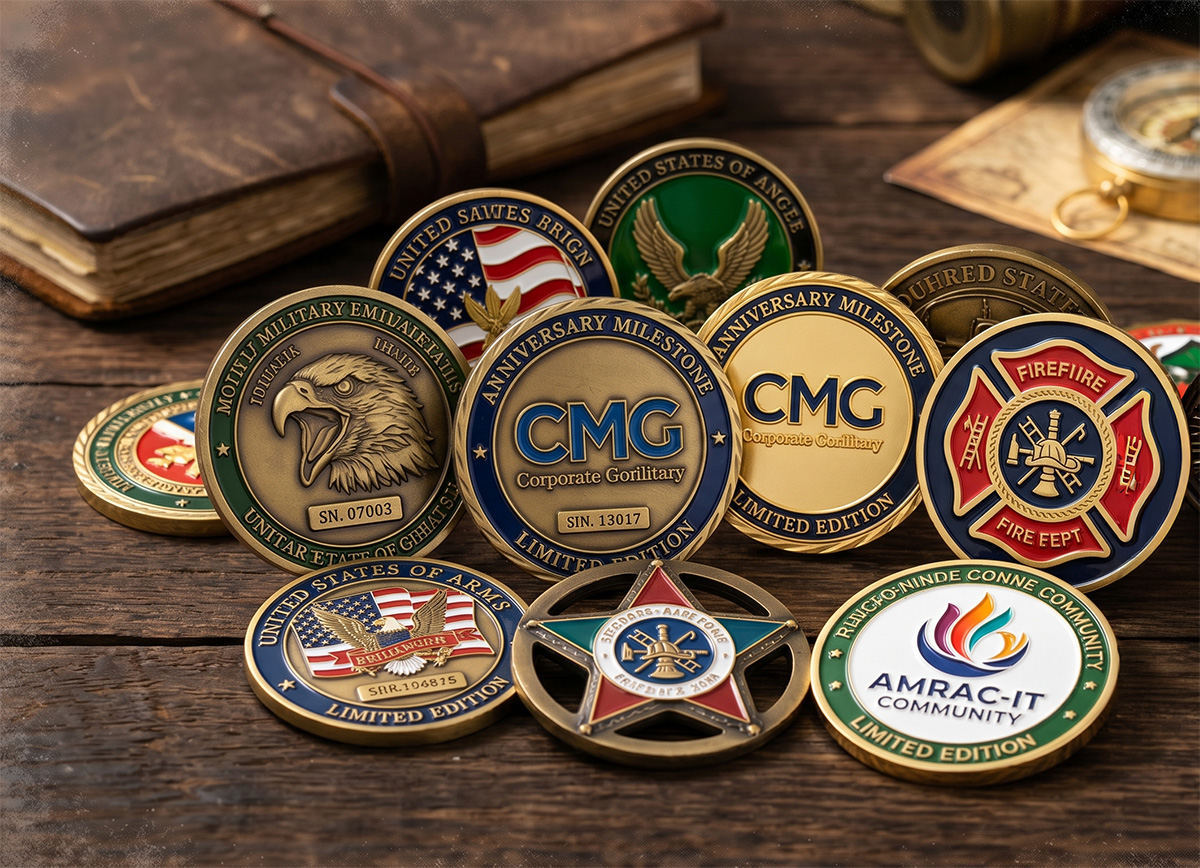
- Custom challenge coins made for military units, agencies, or organizations.
Custom challenge coins stand out because they often feature unique artwork, limited runs, and clear ownership stories. That same control makes custom coins appealing for brands that want lasting impact.
Factors Influencing Coin Collectibility
Several measurable factors influence whether a coin gains or loses value over time. Collectors weigh these consistently across markets.
Key Value Drivers:
- Rarity: Fewer coins in circulation naturally increase demand.
- Condition: Better preservation (uncirculated or proof-like) raises value significantly.
- Historical Context: Documented stories and "provenance" attract serious collectors.
- Design Quality: Clear symbols, 3D sculpting, and craftsmanship matter.
- Demand: Active collector interest within specific niches sustains long-term value.
If you’re considering custom challenge coins for your organization, we help you design pieces that collectors respect and remember. Our free quote process makes it easy to start with clear pricing and expert guidance.
The Rise of Custom Challenge Coins
Custom challenge coins now attract collectors because they combine documented history, controlled production, and flexible design. Buyers value clear provenance, distinctive features, and series that tell a specific story.
Origins and Evolution of Challenge Coins
Challenge coins began in military units as symbols of identity and recognition. Members carried them to confirm affiliation, mark achievements, and reinforce trust within a group. Over time, use expanded to law enforcement, fire departments, nonprofits, and corporations.
Evolution of Value:
- Military Era: Focused on unit identity; established clear provenance.
- Public Service Era: Focused on recognition; created broader market demand.
- Modern Corporate/Nonprofit Era: Focused on branding and fundraising; introduced highly limited, theme-based runs.
Unique Features of Custom Designs
Custom designs drive value because they turn a coin into a specific artifact. Shape, finish, and imagery signal intent and rarity at a glance.
High-Value Design Choices:
- Non-circular shapes tied to landmarks, badges, or vehicles.
- Layered metals and enamel that add physical depth and durability.
- Serial numbers or mint marks that confirm production limits and authenticity.
Customization also supports storytelling. A coin that records a mission, anniversary, or donor campaign carries context that standard coins lack. When we help clients at Custom Pins Now plan these details, they create pieces that hold long-term appeal and resale interest.
Why Custom Challenge Coins Are Increasing in Value
Custom challenge coins now combine scarcity, meaning, and build quality with growing buyer demand. These factors shape resale value, especially as coins move beyond military origins into corporate and civic use.
Rarity and Limited Editions
Rarity drives value in most collectibles. Coins produced for specific events, short campaigns, or closed organizations often come from small runs, which limits supply from the start. Collectors pay close attention to limited mint quantities and event-only distribution. Unlike traditional currency, these coins rarely receive reissues, supporting higher resale prices over time.
Cultural and Organizational Significance
Challenge coins gain value when they represent shared identity and achievement. Collectors value the story as much as the object. A coin linked to a historical moment or a recognized organization carries a "cultural weight" that survives beyond its original audience.
Material Quality and Craftsmanship
Material choices affect durability and appearance. Coins made with brass or zinc alloy, paired with hard enamel or antique finishes, hold detail better over time. High-value coins typically feature clean die-striking, consistent enamel fills, and defined custom edges.
Emerging Market Demand
Demand for challenge coins continues to expand outside traditional military circles. Corporate teams and community groups now commission coins as keepsakes, awards, and branded collectibles.
Secondary Market Drivers:
- Collectors: Seeking historical or limited pieces for specialized portfolios.
- Organizations: Seeking brand identity markers and cultural artifacts.
- Individuals: Seeking personal milestones and commemorative gifts.
Trends and Future Outlook for Collectors
Collectors now balance tradition with speed, data, and cultural relevance. Digital trading tools and media-driven demand all shape how custom challenge coins gain value.
Modern Digital Platforms for Trading
Online marketplaces and auction platforms now drive most price discovery. Collectors track recent sales and grading data in real time, reducing guesswork. Digital exposure is critical; coins tied to verified events perform better when listings include clear specs and mint counts.
Investment Strategies in Custom Coins
Serious collectors now separate bullion from collectibles. While bullion tracks metal prices, historical and limited-edition coins often outperform bullion in value growth. Custom challenge coins follow this pattern when they feature low mint quantities and a clear, documented purpose.
Impact of Pop Culture and Media
Pop culture now drives faster demand cycles. Coins linked to films, games, or online creators attract younger collectors who value relevance over age. A well-timed custom challenge coin tied to a major launch can gain traction far beyond its original audience, creating a collectible with both emotional and market value.