0


Key Takeaways
- Thread Builds Texture: Choose embroidery for a classic stitched look with depth and durability on logos with defined lines.
- Ink Captures Detail: Choose printing when the artwork relies on gradients, small text, or full-color complexity.
- Match Method to Artwork: The decision drives cost, turnaround, and visual impact, so pick from the design rather than the price.
Choosing between embroidery and printing shapes how your patch looks, lasts, and fits your budget. You want artwork that matches your brand, holds up in real use, and still looks sharp after repeat wear. We see this choice drive cost, turnaround, and visual impact for teams and businesses every day at Custom Pins Now.
You should choose embroidery when you want a textured, durable patch with a classic stitched look, and choose printing when your design relies on fine details, gradients, or full‑color artwork. Embroidery uses thread to build depth and strength, while printing places ink directly on fabric to capture small text and complex images with clarity.
We walk you through the real differences, the practical factors that matter, and the best use cases for each method so you can move forward with confidence. If you already have artwork in mind, we help you turn it into a patch that works-and getting a free quote only takes a moment.
Key Differences Between Embroidery and Printing
Embroidery and printing produce very different patch results, even when they use the same artwork. The choice affects how the patch looks, feels, and performs over time, especially in real‑world use.
Materials and Techniques
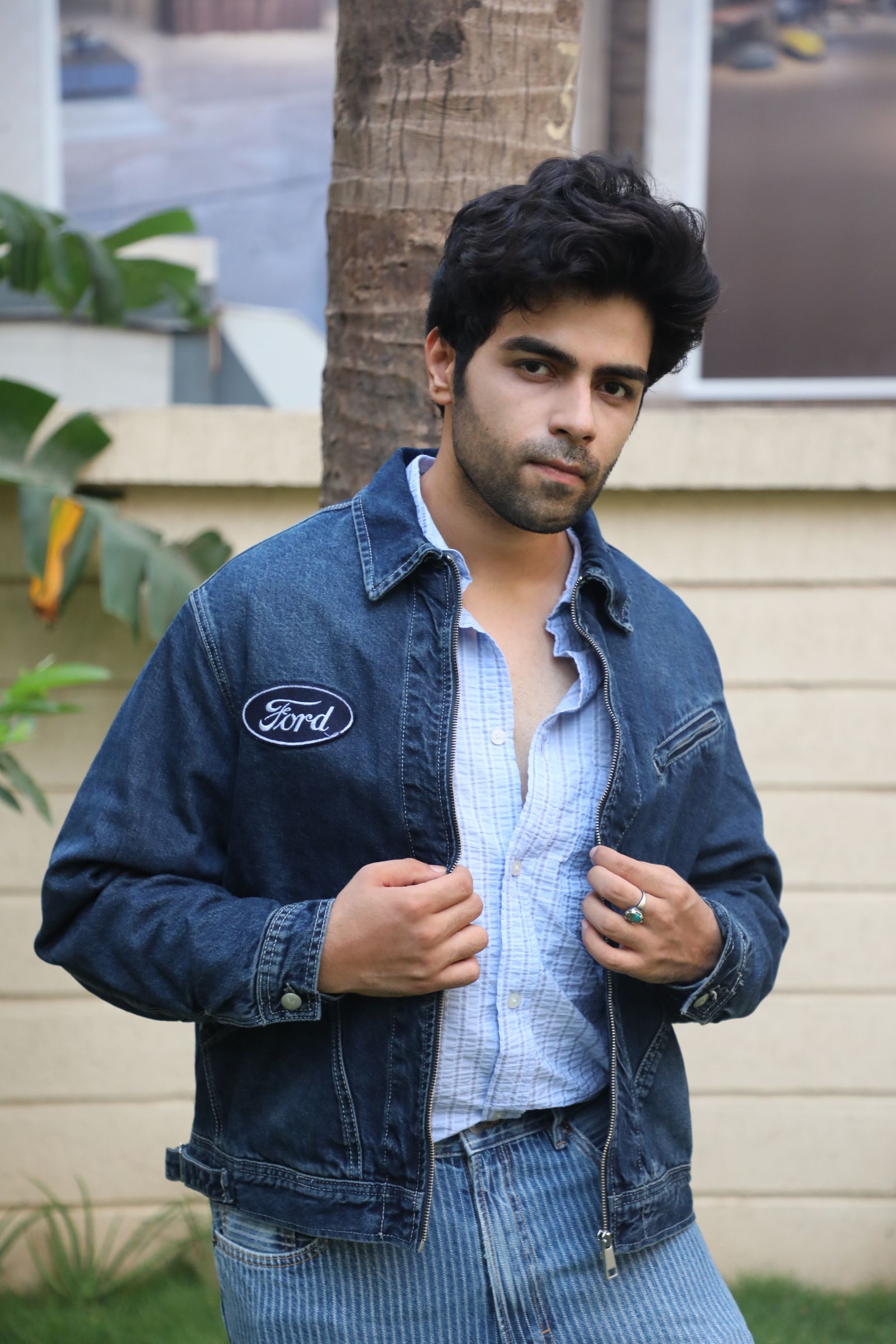
Embroidery builds the design with stitched thread on a fabric base such as twill or felt. Machines follow a digitized path and layer thread to form shapes, borders, and fills. This process works best for logos with defined lines and limited color changes.
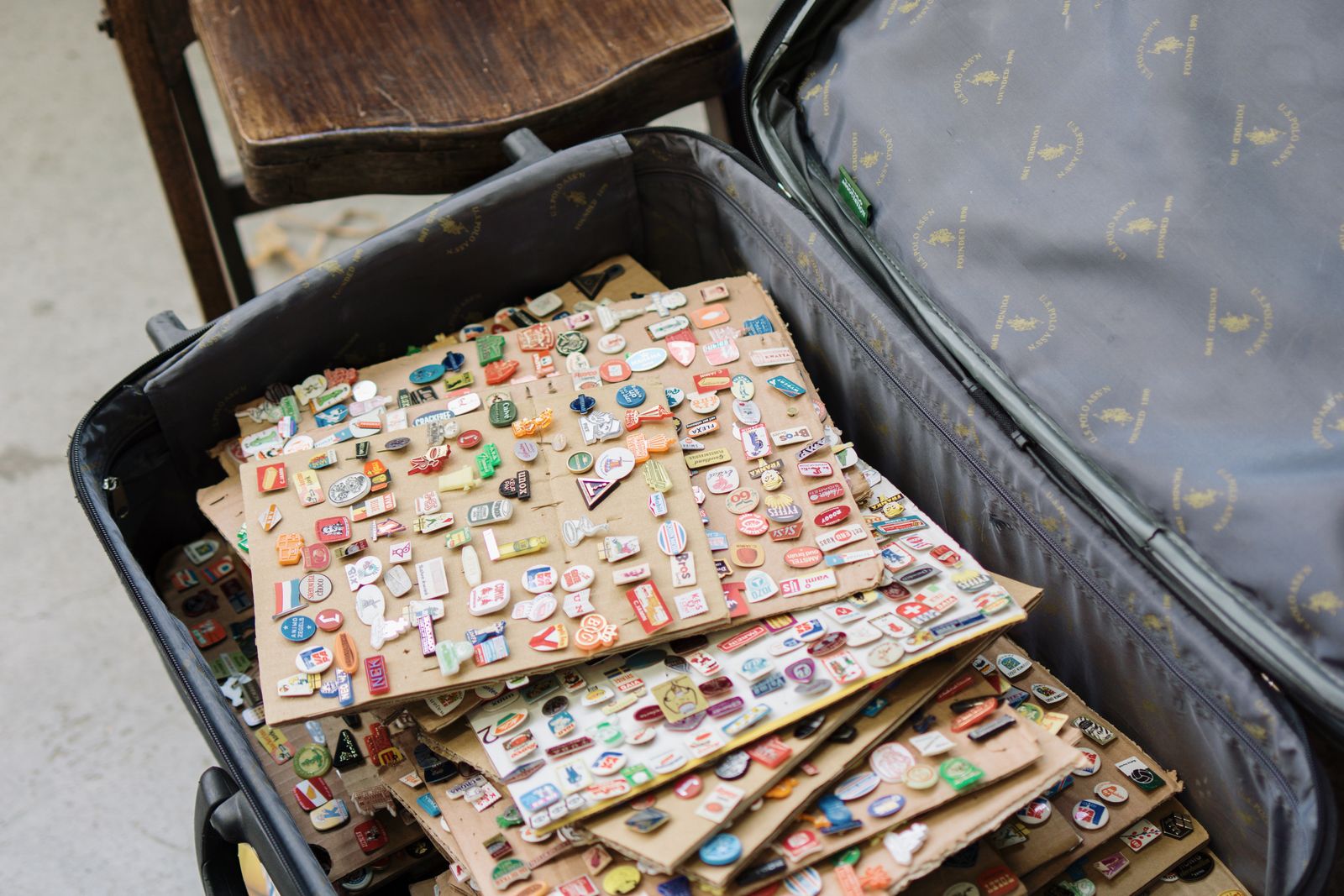
Printing applies ink directly onto the patch surface, often using screen printing, heat transfer, or digital printing. The ink sits flat and captures fine detail with precision. Printing handles gradients, small text, and complex color blends more easily.
Key material differences to consider:
- Embroidery uses thread; printing uses ink
- Embroidery adds thickness; printing keeps patches thin
- Printing supports larger design areas with less setup time
If you already have artwork, we can review it and recommend the most efficient method when you request a free quote.
Visual Appearance
Embroidery creates a raised, textured look that many customers associate with uniforms and heritage branding. Light reflects off the thread, which adds depth but can simplify small details.
Printing delivers a smooth surface with sharp edges and accurate color matching. It works well for photographic elements or designs that rely on contrast rather than texture.
- Texture — Embroidery: Raised, tactile — Printing: Flat, smooth
- Detail — Embroidery: Best for bold shapes — Printing: Best for fine detail
- Color range — Embroidery: Limited by thread — Printing: Broad, including gradients
We often guide clients toward printing when visual accuracy matters most, and embroidery when a stitched look supports the brand.
Durability and Longevity
Embroidery resists wear through stitched construction. The thread holds up well against friction, washing, and repeated handling, which suits patches used on jackets, backpacks, and uniforms.
Printing durability depends on ink type and application method. High‑quality printing performs well, but heavy abrasion or frequent washing can fade the design over time.
Consider how the patch will be used:
- Daily wear favors embroidery
- Short‑term events often suit printing
- Outdoor exposure benefits from thicker stitching
We help customers weigh cost, lifespan, and usage before production. Our team at Custom Pins Now can walk you through those tradeoffs quickly when you request a free quote.
Factors to Consider When Choosing a Patch Artwork Method
The right patch method depends on how your artwork looks, what it will attach to, how many you need, and how fast you need them. These factors directly affect clarity, durability, turnaround time, and total cost, which is why they matter when requesting a custom quote.
Artwork Complexity and Design Details
Artwork detail often determines whether embroidery or printing works best. Embroidered patches rely on thread, which adds texture and depth but limits precision. Small text, thin lines, gradients, and photo-style images lose clarity when stitched.
Printed patches handle complex artwork more accurately. Printing captures full-color images, fine lines, and shading that embroidery cannot reproduce with thread alone. This makes printing a better choice for logos with gradients, illustrations, or photographic elements.
Ask yourself:
- Does the design include small text under ¼ inch?
- Are there gradients or color fades?
- Do you need exact color matching?
If you answer yes, printing usually delivers cleaner results. We often review artwork during the quote process to confirm the best method before production begins.
Fabric Type and Compatibility
The fabric base affects both appearance and longevity. Embroidered patches work well on sturdy materials like twill and felt. They hold shape, resist wear, and suit uniforms, jackets, and bags that see heavy use.
Printed patches perform better on smoother fabrics designed for heat transfer or dye-sublimation. They sit flatter and feel lighter, which helps when flexibility matters.
Here’s a quick comparison:
- Heavy wear — Embroidery: ✅ Strong — Printing: ⚠️ Moderate
- Soft feel — Embroidery: ⚠️ Textured — Printing: ✅ Smooth
- Flexibility — Embroidery: ⚠️ Stiff — Printing: ✅ Flexible
If you plan to apply patches to hats, backpacks, or outerwear, embroidery often lasts longer. For fashion items or event merch, printing may feel more comfortable.
Quantity and Production Time
Order size and deadlines influence method choice. Printed patches scale faster for short runs because they skip digitizing and stitching time. That makes them practical for events, promotions, or limited releases.
Embroidered patches require digitizing, machine setup, and stitching per patch. Larger quantities benefit from this process because the per-unit cost drops as volume increases.
Consider these timelines:
- Small runs (under 100): printing often ships faster.
- Large runs (500+): embroidery becomes more efficient.
If timing matters, we help you balance speed and quality when you request a free quote.
Cost Considerations
Cost depends on stitch count, colors, and setup. Embroidery pricing increases with dense stitching, large sizes, and multiple thread colors. Designs with heavy coverage cost more to produce.
Printed patches usually offer predictable pricing. Color count does not significantly affect cost, which helps when artwork uses many shades.
Typical cost drivers include:
- Patch size
- Order quantity
- Application method (sew-on, iron-on, Velcro)
We review these details upfront so there are no surprises. If budget plays a major role, we recommend sharing it early so we can guide you toward the most cost-effective option.
Best Use Cases for Embroidery and Printing
Embroidery and printing serve different patch needs based on durability, detail, and production goals. Choosing the right method depends on how the patch will get used, washed, and displayed.
Patches for Uniforms and Workwear
Uniform patches need to last through frequent wear and washing. Embroidery works best here because stitched thread resists fraying and fading over time. It also adds texture that looks professional on jackets, hats, and heavy-duty shirts.
Printing fits limited cases, such as temporary staff badges or short-term events. Printed patches sit flatter and may show wear sooner, especially on high-friction garments.
Why embroidery usually wins for workwear:
- Strong thread construction holds up to laundering
- Raised texture looks official and intentional
- Clean edges work well on thicker fabrics
If your team wears uniforms daily, embroidery reduces replacement cycles. We often recommend embroidered patches for safety crews, hospitality teams, and corporate apparel. Want help choosing materials? Our free quote makes it easy.
Promotional and Fashion Patches
Promotional and fashion patches prioritize color accuracy and visual impact. Printing excels with detailed artwork, gradients, and small text that embroidery cannot reproduce cleanly.
For streetwear drops or branded giveaways, printed patches keep artwork true to the original design. They also allow faster production for larger runs, which helps when deadlines matter.
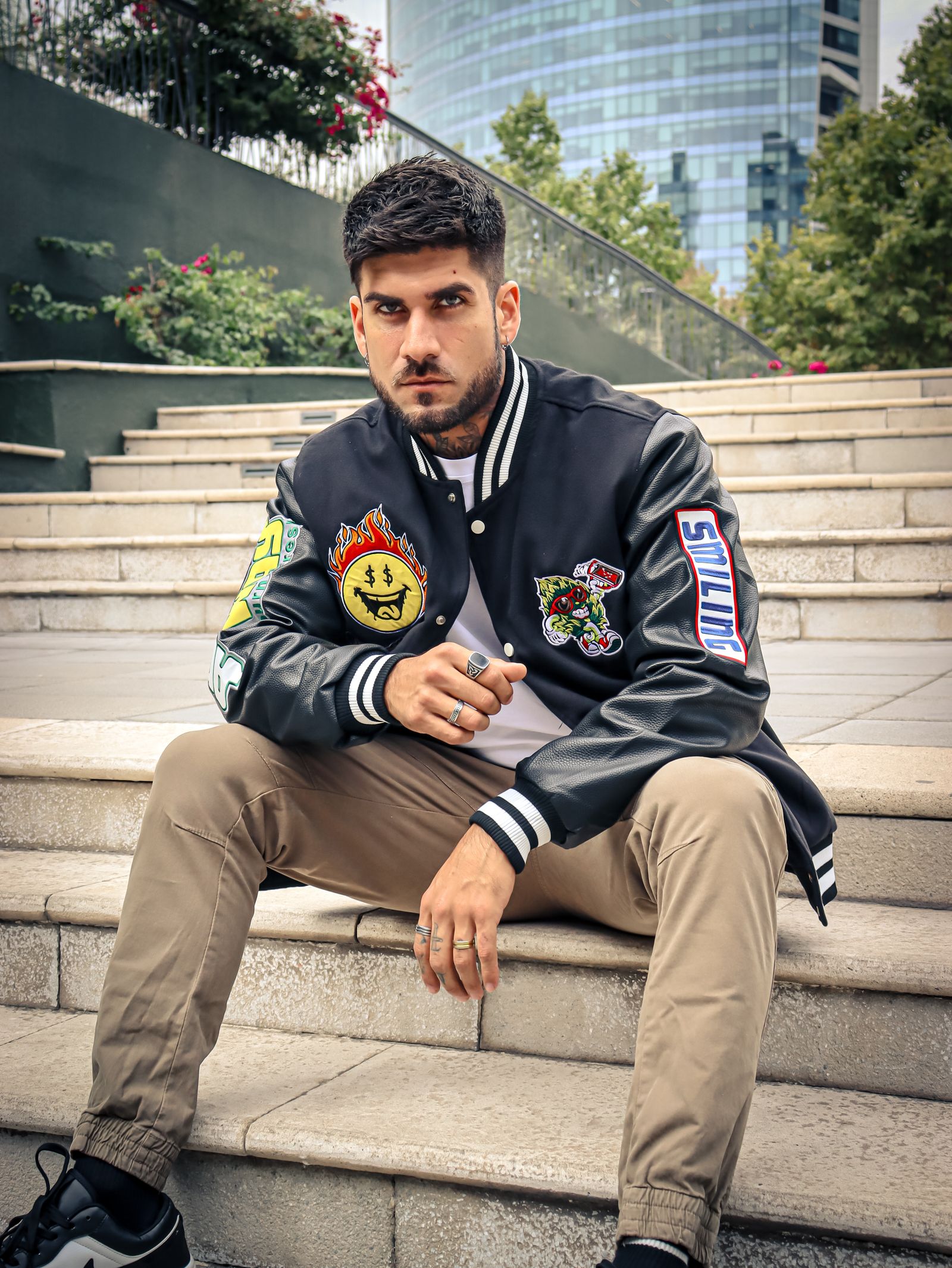
Embroidery still plays a role when the brand wants texture or a premium feel. Many fashion labels mix both methods to balance detail and depth.
Common choices we see:
- Printed patches for bold graphics and photos
- Embroidered patches for logos and icons
- Hybrid designs to combine detail and texture
If your goal focuses on visibility and style, printing often delivers better results.
Custom and Limited-Edition Patches
Limited-edition patches demand flexibility. Printing supports small runs with intricate designs and frequent artwork changes. That makes it ideal for clubs, events, or campaigns that rotate designs often.
Embroidery suits collector patches where longevity matters. Stitched designs feel substantial and tend to hold value over time, especially for commemorative releases.
- Fine detail — Printing
- Long-term durability — Embroidery
- Small batch changes — Printing
We help customers match the method to the purpose. If you’re planning a custom or limited run, start with a free quote so we can guide the details early.