0

Key Takeaways
- Achievement First: Patches began as scouting rank markers in 1910, and that association with earned status still drives their appeal.
- Collecting Drove Adoption: Scouting popularized trading, which taught businesses a small design could build recognition without words.
- Keepsake or Clutter: How you use a patch decides whether people wear it or bin it, so give it meaning rather than just a logo.
Patches started as practical symbols of achievement, and we still see that legacy today. Scout badges marked rank, skills, and participation, with early designs cut, folded, and sewn by hand before modern production made them more detailed and durable. That tradition tied patches to identity, pride, and belonging.
We now use patches as flexible branding tools that carry meaning while promoting teams, events, and companies. As scouting culture popularized collecting and trading, businesses adopted patches for uniforms, merchandise, and promotions. Brands learned that a small embroidered or woven design could communicate values and build recognition without saying a word.
We see modern patches everywhere, from workwear and sports teams to giveaways and retail merch. That shift explains why companies like Custom Pins Now help organizations turn simple designs into custom products that people actually want to wear. How you use a patch today often decides whether it becomes a keepsake or just another logo.
History of Scout Badges
Scout badges began as practical tools to track skills, rank, and responsibility. Over time, they became visual symbols of achievement, identity, and belonging that influenced how modern patches work today.
Origins and Early Purpose
Scouting organizations introduced badges in the early 20th century to mark progress and motivate learning. In the Boy Scouts of America, merit badges appeared in 1910, covering skills like athletics, craftsmanship, and outdoor survival.
Early uniforms carried only a small set of official insignia. These included rank badges, merit badges, and position patches, all earned through clear requirements rather than time served.
Badges solved a practical problem. Leaders needed a fast way to see what a Scout could do. Scouts wanted proof of effort they could wear with pride. That clear exchange between effort and recognition still defines patches today.
Symbolism and Meaning
Scout badges used strong symbolism to communicate values at a glance. Shapes, borders, and icons signaled rank, responsibility, or subject area without words.
Common symbolic elements included:
- Eagles, stars, and shields to represent achievement and service
- Color systems to separate rank, program level, or role
- Activity-specific imagery like tools, animals, or plants
Badges also built identity. A sash full of merit badges told a personal story. A troop patch showed belonging to a local group, while jamboree patches marked participation in major events.
This emotional connection explains why patches still work for brands. When people wear a symbol tied to effort or experience, they keep it longer and value it more.
Design and Production Methods
Early Scout badges reflected limited manufacturing methods. Scouts often trimmed edges by hand or folded fabric under before sewing, which kept designs simple and durable.
As technology improved, designs became more detailed. A major shift came in 1972, when Scouting introduced multicolor patches during a broad uniform update. Embroidery quality increased, and color became a storytelling tool.
- 1910s–1930s — Design Traits: Simple shapes, few colors — Production Notes: Hand-finished edges
- 1940s–1960s — Design Traits: Clear icons, tighter stitching — Production Notes: Machine embroidery
- 1970s onward — Design Traits: Multicolor, fine detail — Production Notes: Standardized mass production
We still see these principles guide custom patch design today. Clear symbols, durable materials, and intentional color choices matter. If you want patches that people actually wear, Scout badge history offers a proven blueprint.
Transition to Brand Merch
Patches moved beyond uniforms and into everyday apparel, driven by culture, branding, and demand for customization. We see this shift clearly in fashion, social media, and licensed merchandise programs that prioritize fast production and strong visual identity.
Emergence of Patches in Popular Culture
Patches first gained public visibility through structured programs like Scouting, where they marked skills, events, and membership. Organizations such as Scouts BSA treated patches as earned symbols, not decoration, which gave them lasting meaning and visibility.
As vintage workwear and military styles resurfaced, patches followed. Music scenes, skate culture, and streetwear adopted them as low-cost identifiers. Social platforms accelerated this trend. Recent coverage of TikTok-driven merch highlights patches as wearable content that signals interests, affiliations, or inside jokes.
Common cultural uses included:
- Tour and event souvenirs
- Limited-run drops for online communities
- Visual shorthand for causes or clubs
These uses normalized patches as everyday items, not formal insignia.
Adoption by Brands and Designers
Brands noticed that patches offered high impact with low commitment. Unlike full garment redesigns, patches let companies test ideas quickly and refresh products without retooling entire lines.
Licensed programs from groups like Scouting America show how controlled branding works at scale. Official stores rely on strict logo standards, digital brand guides, and approved vendors to maintain consistency across patches, shirts, and accessories.
Designers now use patches to:
- Launch seasonal collections
- Add branding to hats, bags, and jackets
- Create collectible merch with limited quantities
For marketing teams, patches function as both product and promotion. We help brands use that flexibility to move fast without sacrificing quality.
Customization and Personalization Trends
Customization now drives patch demand more than tradition. Customers want their name, logo, or message displayed clearly and permanently.
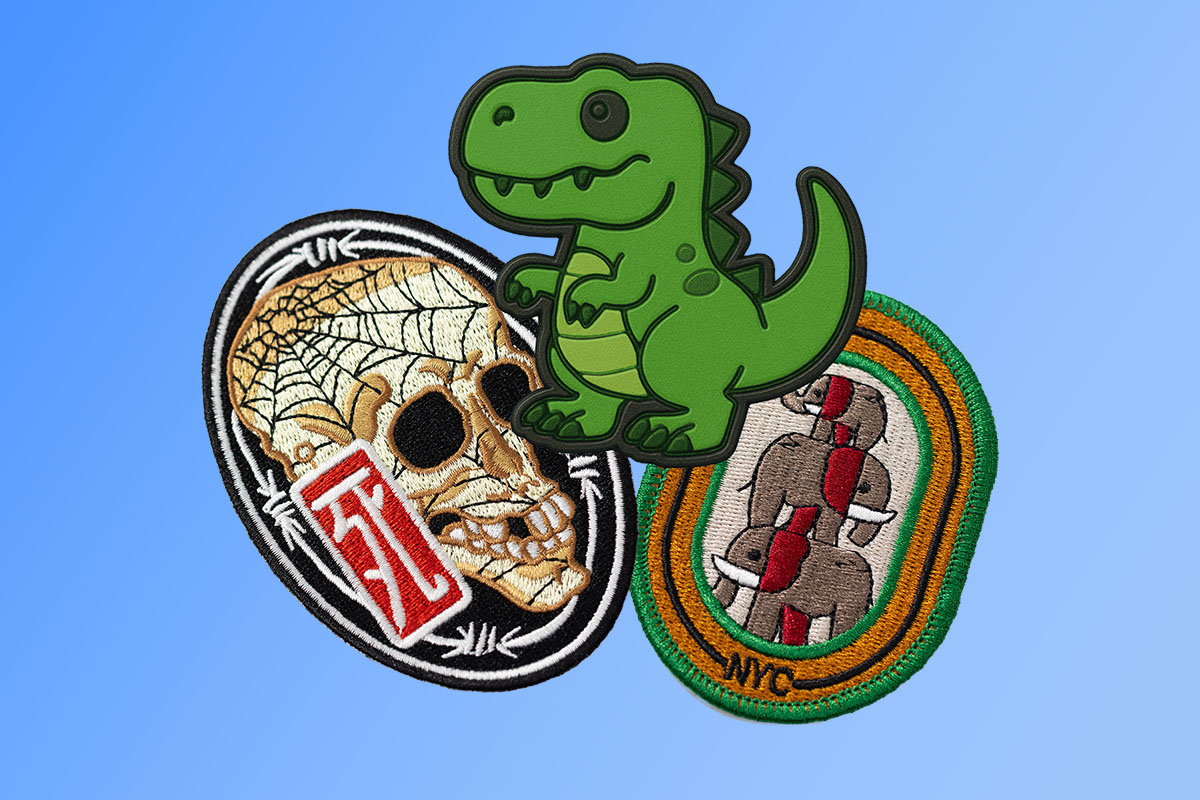
We see three dominant formats:
- Embroidered — Apparel branding, uniforms
- PVC — Outdoor gear, durability-focused uses
- Woven — Detailed logos, small text
Personalized patches support:
- Employee uniforms
- Event giveaways
- Influencer and creator merch
Because patches apply after production, brands avoid minimums tied to full apparel runs. That speed matters. If you want to test a design or launch merch without risk, we recommend starting with a custom patch. Our free quote process makes that step simple and fast.
Modern Uses and Significance
Patches now move easily between uniforms, wardrobes, and brand kits. They carry identity, reward achievement, and create connection across groups that value durability, clarity, and design consistency.
Fashion and Streetwear Integration
Streetwear adopted patches as functional design elements rather than decoration. Brands use embroidered, woven, and PVC patches to add texture, reinforce logos, and release limited runs without retooling garments.
Design choices matter. High-contrast threads and clean borders improve legibility on caps, jackets, and bags. Removable options like hook-and-loop backings support drops and collaborations.
Why do brands choose patches?
- Lower setup costs than full garment reprints
- Easy customization for seasonal collections
- Long wear life compared to screen prints
We often see brands test demand with a small patch run, then scale. If you’re planning a capsule or collab, a fast quote helps you move while the trend is hot.
Corporate and Team Branding
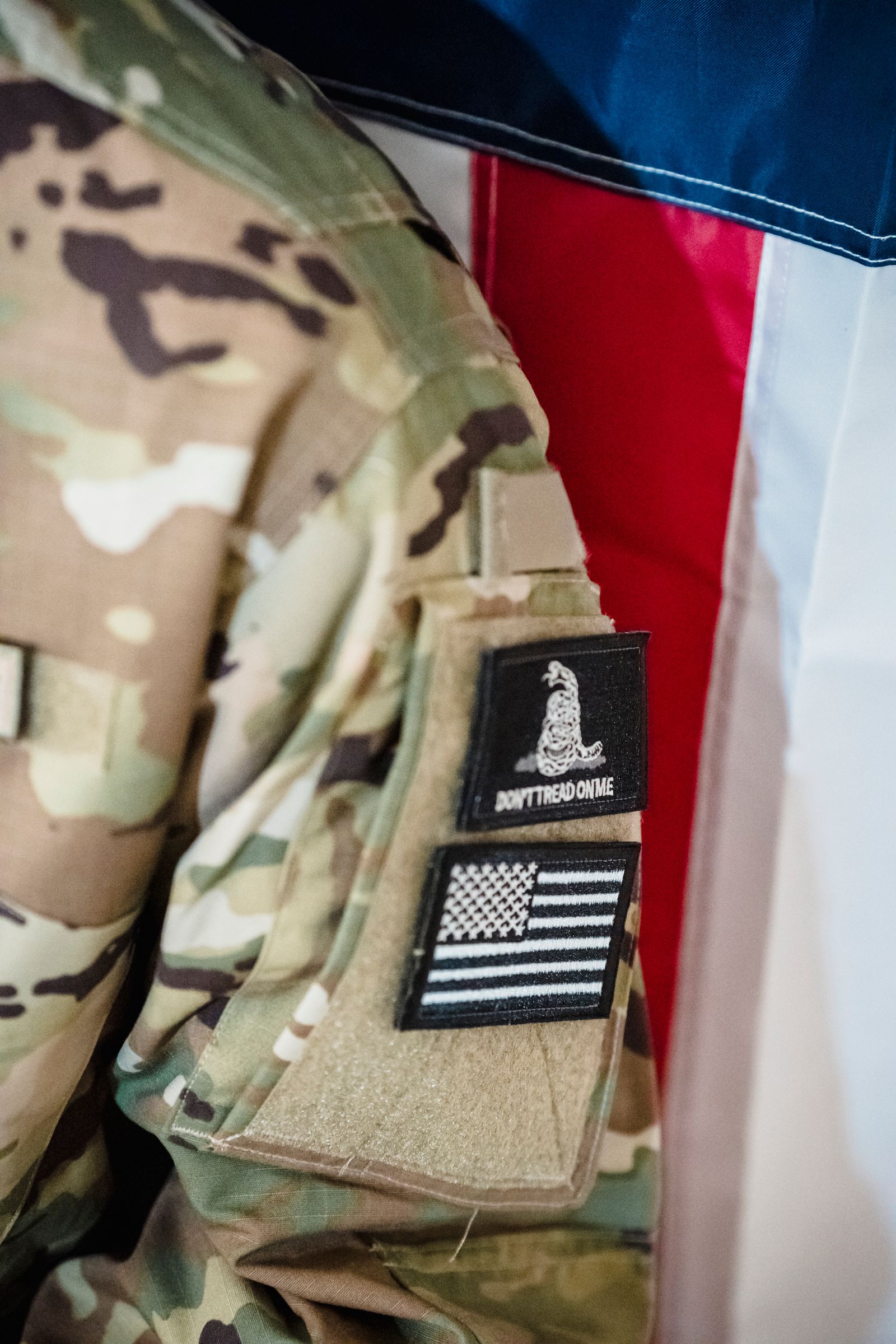
Organizations rely on patches to standardize identity across teams. Military units and scouting groups set the model, and modern companies follow it with uniform patches, event badges, and internal awards.
Scouting offers a clear example. Merit badges and unit insignia recognize progress and build belonging, which explains why scouts trade patches worldwide to form connections. Uniform updates over time, such as the shift to multicolor insignia in the early 1970s, show how design evolves while meaning stays intact.
Common business uses
- Employee recognition programs
- Safety and compliance identification
- Event staffing and sponsorship visibility
Patches communicate role and affiliation at a glance. We help teams choose sizes and backings that hold up to daily wear.
Collector and Enthusiast Communities
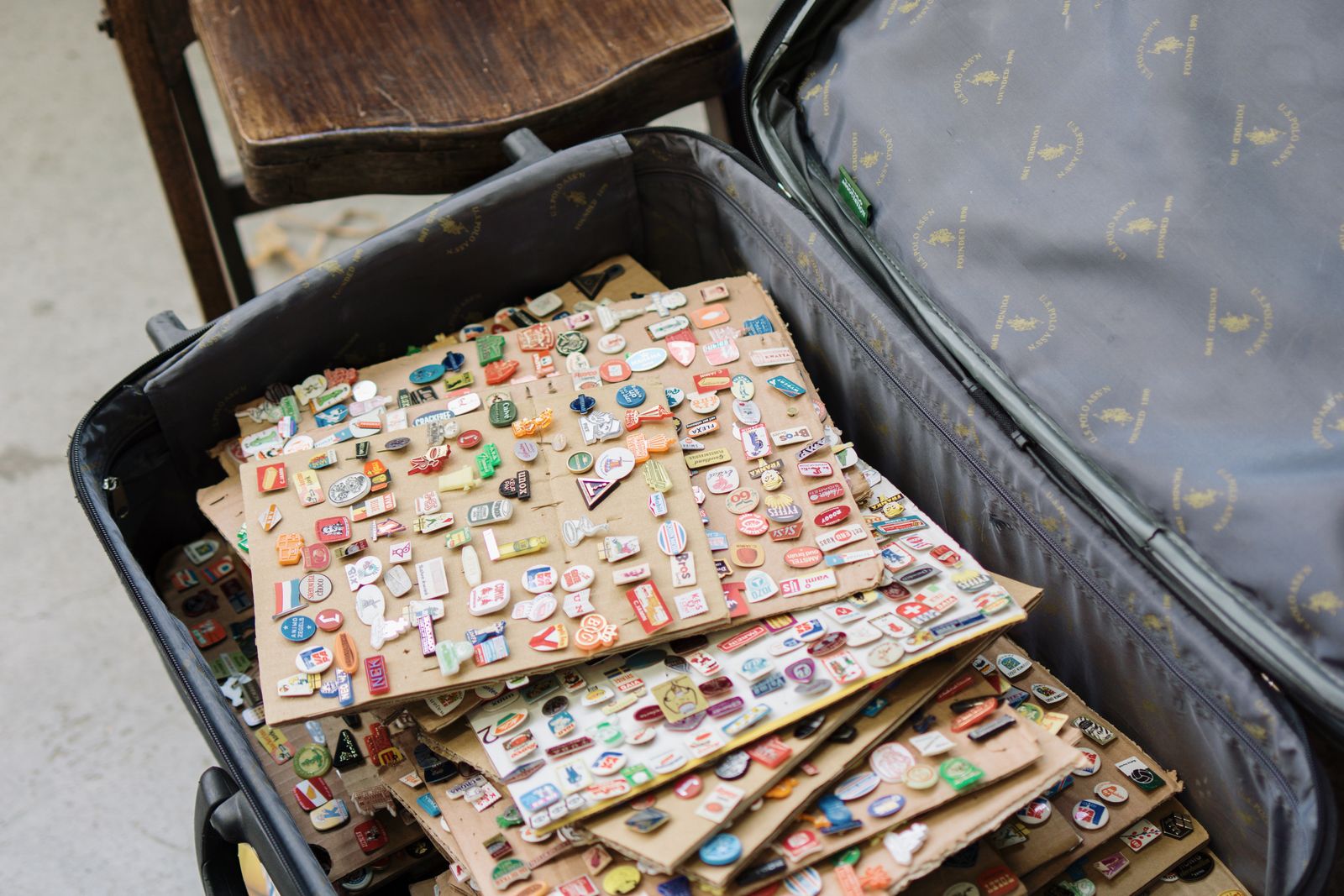
Collectors value patches for scarcity, history, and provenance. Scout patches, military unit insignia, and event-only releases attract active trading communities that document variations and production years.
Trading builds relationships. Scouts trade patches to mark shared experiences, while enthusiasts catalog differences in thread color, borders, and backing types. These details affect value and authenticity.
- Limited runs — Increases demand and trade interest
- Clear dates/locations — Supports verification
- Durable stitching — Preserves long-term value
If your brand wants staying power, design patches people want to keep. We can quote materials and finishes that collectors recognize and trust.