0

Key Takeaways
- Measure First: Precise weight and dimensions are the fastest tell, since knockoffs rarely match specification.
- Inspect the Edges: Sharp, consistent detail signals professional minting, while soft edges and altered markings signal a fake.
- Know Your Limits: Simple checks catch most fakes, but advanced tools or expert authentication protect against costly mistakes.
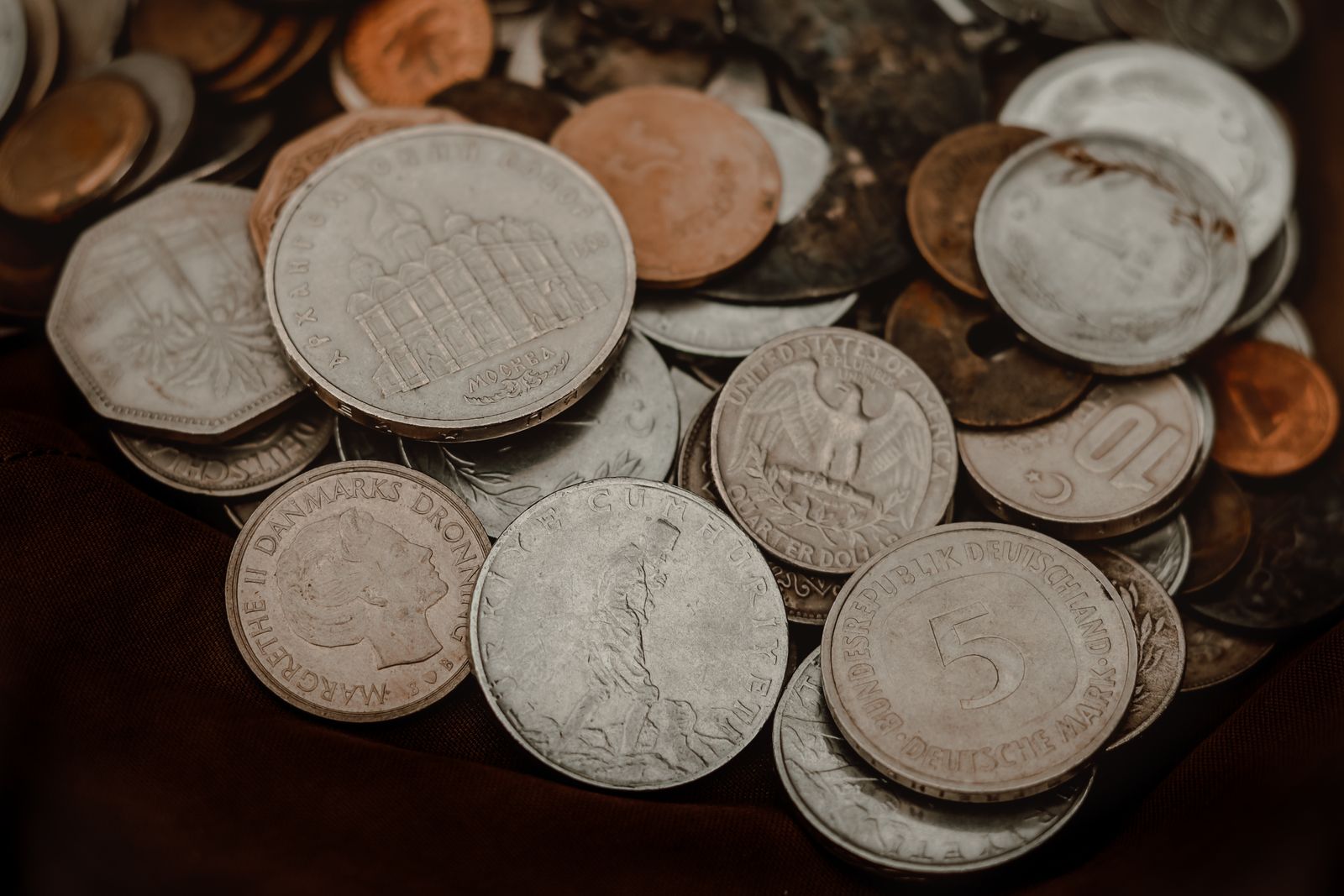
You want confidence that a coin in your hand holds real value, not a cheap imitation. You can spot a high-quality coin by checking precise weight and dimensions, sharp and consistent details, correct metal composition, and signs of professional minting rather than soft edges or altered markings. We see the same need for authenticity every day when clients trust us with custom products.
Fake coins often look convincing at a glance, but small flaws reveal the truth. You’ll learn how genuine coins differ in finish, sound, and wear patterns, and why common shortcuts used in knockoffs fail close inspection. We also cover when simple checks work and when advanced tools or expert verification protect you from costly mistakes.
If you value quality, you already understand why trusted sources matter. We’ll show how professional authentication and reliable resources keep collections-and custom creations-credible, and why working with a proven partner like Custom Pins Now helps you move forward with confidence and a fast, free quote.
Key Differences Between Genuine and Fake Coins
High-quality coins show clear differences in metal content, visual precision, and physical measurements. When you know what to check, you can spot shortcuts that cheap knockoffs rely on to pass as authentic.
Material Composition
Genuine coins use specific metals that match their stated value and purpose. Precious metal coins rely on verified gold, silver, or copper alloys with known purity levels, while commemorative or promotional coins use consistent base metals.
Cheap knockoffs often substitute lower-cost metals and hide them under thin plating. This shortcut affects durability and appearance over time.
Common material checks include:
- Magnet response: Real gold and silver do not attract magnets.
- Surface wear: Plated fakes show peeling or color changes at edges.
- Sound test: Authentic metal produces a clear, sustained ring when gently tapped.
We see similar issues when clients bring reference coins for custom pins or medallions. Material quality always shows itself with handling and age.
Design Details and Craftsmanship
Authentic coins display sharp lines, balanced relief, and clean lettering. Designers cut dies with precision, and mints strike coins under controlled pressure to preserve detail.
Fake coins often miss these details. Look closely at faces, dates, and fine textures. Blurred edges, uneven spacing, and shallow relief signal low-quality tooling.
Pay attention to:
- Lettering: Real coins have crisp, uniform fonts.
- Edges: Rims look even, not wavy or soft.
- Alignment: Front and back designs line up correctly.
When we design custom coins for brands, we focus on die quality first. That same principle helps you judge whether a coin reflects care or cost-cutting.
Weight and Dimensions
Real coins follow exact standards for weight, thickness, and diameter. Mints publish these specifications, and genuine examples stay within tight tolerances.
Counterfeits often miss the mark. Even small differences matter and add up fast when you compare multiple measurements.
Use simple tools:
- A digital scale with 0.01-gram accuracy.
- Calipers for diameter and thickness.
- A reference chart for official specs.
Below is a quick comparison:
- Weight — Genuine Coin: Matches published specs — Cheap Knockoff: Often light or inconsistent
- Thickness — Genuine Coin: Uniform across surface — Cheap Knockoff: Varies near edges
- Diameter — Genuine Coin: Exact and repeatable — Cheap Knockoff: Slightly off
If you plan a custom coin or pin and want that same level of precision, we apply these standards to every order. Our free quote process helps you define materials, finishes, and dimensions before production starts.
Advanced Methods for Authenticating Coins
We rely on physical properties that counterfeiters struggle to match. Material response, precision edges, and consistent acoustics reveal quality fast, even before lab tools enter the picture.
Magnetism and Metal Tests
Authentic coins use specific metal alloys with predictable behavior. A simple magnet test helps flag obvious fakes because gold, silver, copper, and nickel do not attract magnets.
Use controlled checks rather than one-off guesses. We recommend combining tests:
- Magnet slide test: A real silver coin slides slowly down a magnet due to eddy currents. A fake drops fast.
- Weight and diameter: Compare to official mint specs. Variances over 1–2% raise concern.
- Density check: Calculate density with water displacement to confirm alloy consistency.
- Magnet pull — What It Reveals: Ferrous metals — Red Flag: Strong attraction
- Weight — What It Reveals: Alloy accuracy — Red Flag: Outside mint tolerance
- Diameter — What It Reveals: Die precision — Red Flag: Irregular sizing
These checks mirror how we validate materials for custom pins and medals before production.
Edge Examination Techniques
Edges expose shortcuts. Mints cut edges with high-pressure collars that create uniform reeds, lettering, or smooth finishes.
Inspect edges under 10×–20× magnification. Focus on consistency across the entire circumference.
Look for these warning signs:
- Uneven reeding depth or spacing
- Seam lines from casting
- Soft or blurred edge lettering
Rotate the coin slowly under a single light source. Genuine edges reflect cleanly and repeat patterns exactly. Counterfeits often show tool marks or rounded details from molds.
This same attention to edge fidelity guides our quality control at Custom Pins Now, where sharp borders separate premium work from cheap knockoffs.
Sound and Ring Tests
Metal composition affects sound. When gently tapped, real coins produce a clear, sustained ring. Fakes sound dull or short.
Use a soft surface and a wooden dowel or another coin. Tap lightly and listen, then compare with a known authentic example.
Key listening cues:
- Pitch: Consistent and bright
- Duration: Rings for a second or more
- Clarity: No rattles or flat thuds
Avoid this test on fragile or high-value pieces. For everyday authentication, it works best alongside magnet and edge checks.
If precision matters to your collection-or your brand-those same standards apply when you order custom pins. When you’re ready, our free quote process keeps material quality clear from the start.
Trusted Resources and Professional Verification
Reliable verification separates genuine coins from low-grade imitations. We rely on independent certification services and qualified experts because they use standardized methods, documented databases, and physical examination that casual checks cannot replace.
Certification Services
Third-party grading services provide the most objective form of authentication. Professional Coin Grading Service (PCGS) and Numismatic Guaranty Company (NGC) both evaluate coins for authenticity, assign a grade, and seal them in tamper-evident holders.
These services matter because they use consistent criteria and maintain public certification databases. You can verify a coin’s certification number online and confirm that the details match the holder.
Key benefits include:
- Authentication and grading performed by trained specialists
- Permanent certification records searchable by serial number
- Market credibility, which affects resale value and insurance
For high-value coins, certification often costs a small fraction of the coin’s worth. That tradeoff protects you from counterfeits and misrepresented grades. We follow the same principle in custom manufacturing at Custom Pins Now-clear standards and documented quality reduce risk before you commit.
Consulting Coin Experts
Experienced coin dealers and numismatists add context that grading alone cannot provide. Reputable dealers often belong to professional organizations and maintain transparent appraisal practices.
Before trusting an expert, check:
- Business history and reviews, including BBB records
- Clear fee structures for appraisals or authentication
- Willingness to explain findings without pressure to sell
An expert can spot tooling marks, altered surfaces, or incorrect alloys that machines may miss. They also assess market demand, which affects whether a coin’s quality justifies its price.
We encourage the same approach when sourcing custom pins. When you work with knowledgeable professionals, you get fewer surprises and better results.