0

Key Takeaways
- Modular Identification: Hook-and-loop backing revolutionized patches, making them temporary, swappable assets rather than permanent modifications.
- Durability First: Modern materials like PVC ensure patches withstand rain, mud, and heavy use without fraying or fading.
- Universal Language: From military units to streetwear brands, patches serve as a compact way to tell a story and signal membership.
You see tactical patches everywhere because they solve real needs while signaling identity, from unit recognition to personal branding. They spread beyond the military because durable, removable patches offer fast identification, customization, and a clear visual language that works on modern gear and everyday apparel.
We’ve watched these patches move from embroidered insignia to subdued Velcro designs used by military, law enforcement, and EMS. That same functionality now fits outdoor wear, work uniforms, and street style, where quick swaps and clean symbols matter. Do you want gear that adapts without replacing the whole piece?
We’ll break down how history shaped today’s designs, why demand keeps rising, and how collecting and customizing patches fits modern style. We’ll also show how custom patches help brands stand out, and how we help teams and businesses turn ideas into durable products that people actually wear.
Origins of Tactical Patches
Tactical patches began as functional tools tied to military structure, field communication, and group identity. Their growth followed changes in warfare, materials, and how units expressed pride.
Military History and Functionality
Armed forces used insignia long before modern uniforms. Roman legions marked shields and armor to signal allegiance and rank, setting a pattern that later armies refined. By the early 20th century, stitched cloth patches appeared on standardized uniforms.
During World War I and World War II, patches served clear purposes. Units used them to identify divisions at a distance and reduce confusion on crowded battlefields. They also helped commanders track personnel movement and organization.
Common early functions included:
- Unit and division identification
- Rank and role recognition
- Operational clarity in multi-unit environments
Unit Identification and Morale
Patches quickly took on meaning beyond identification. Soldiers associated them with shared missions, deployments, and sacrifices. Wearing the same symbol reinforced trust and accountability within a unit.
Many militaries issued patches only after training milestones or deployment completion. That timing turned each patch into a marker of earned status. Morale patches later expanded this idea by allowing controlled self-expression within strict uniform standards.
Key morale-driven elements included:
- Unit mottos or nicknames.
- Regional or cultural symbols.
- Historical references to past missions.
Evolution in Materials and Designs
Early patches relied on heavy embroidery and thick fabric. These held up well but limited detail and flexibility. Modern tactical needs pushed innovation.
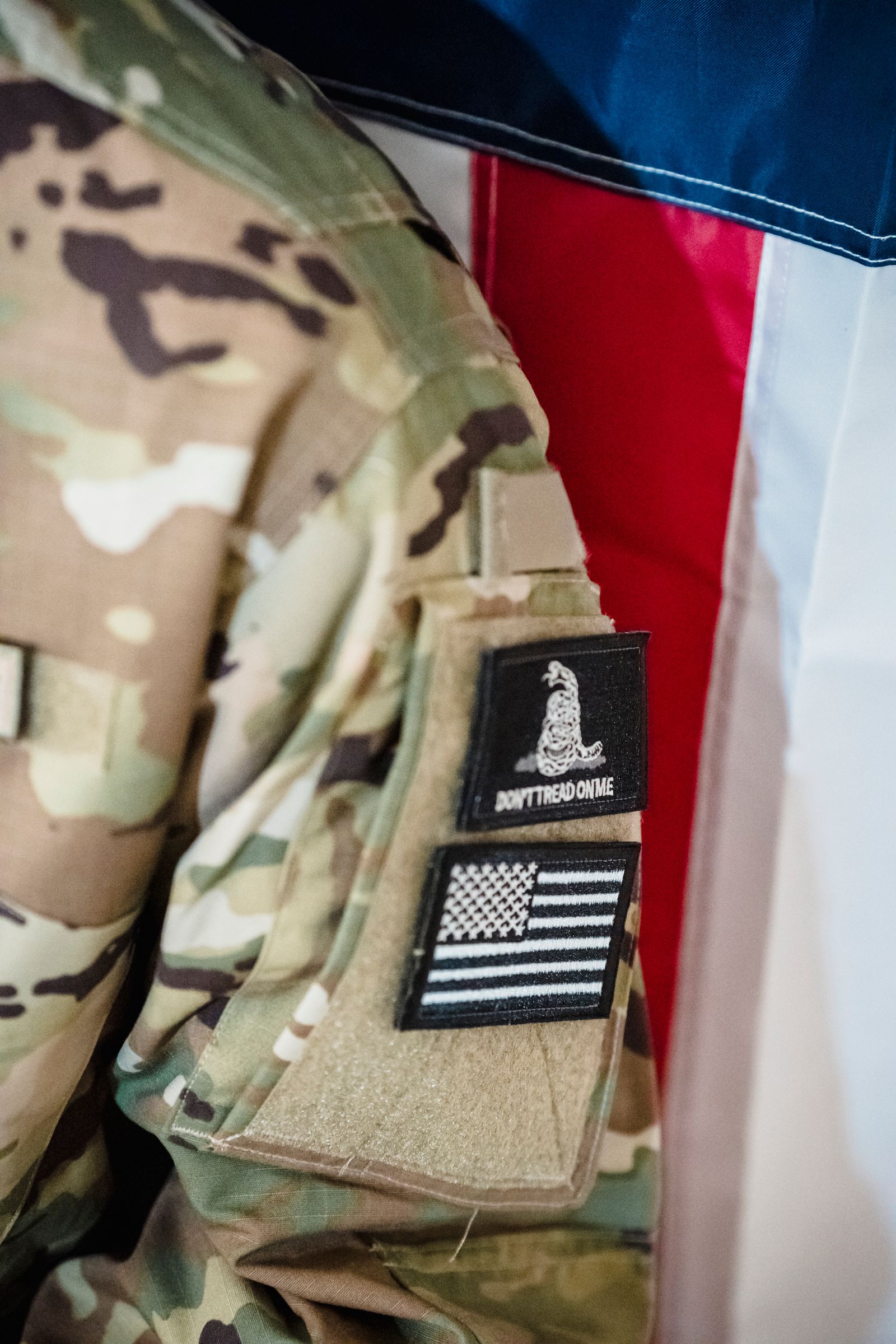
Hook-and-loop fasteners, often called Velcro®, changed everything. Patches became removable, replaceable, and mission-specific. Synthetic threads improved color retention and resistance to moisture, UV light, and abrasion.
Design Evolution Highlights:
- Early 1900s: Wool and cotton materials; durable but simple.
- Late 20th Century: Embroidery blends; allowed for more intricate detail.
- Modern Day: PVC, woven fabrics, and Velcro®; modular, lightweight, and waterproof.
Why Tactical Patches Are Trending
Tactical patches now move far beyond field use. Clear symbolism, mainstream media exposure, and streetwear adoption push them into daily style and brand expression.
Symbolism and Identity
Tactical patches communicate identity at a glance. In military and law enforcement settings, they mark unit affiliation, rank, or mission roles. That same logic now appeals to civilians who want visible meaning on their gear.
Common identity uses include:
- Unit or team markers for clubs, gyms, or work crews.
- Skill or role indicators for EMS, security, or outdoor teams.
- Custom branding for businesses that want subtle, professional visibility.
Influence of Pop Culture
Movies, TV, and gaming continue to normalize tactical aesthetics. Modern action films frequently show characters wearing patched vests, backpacks, and jackets. Video games and airsoft culture reinforce the look through realistic gear design. This exposure matters because it shows patches in everyday, non-military contexts.
Appeal to Fashion and Streetwear
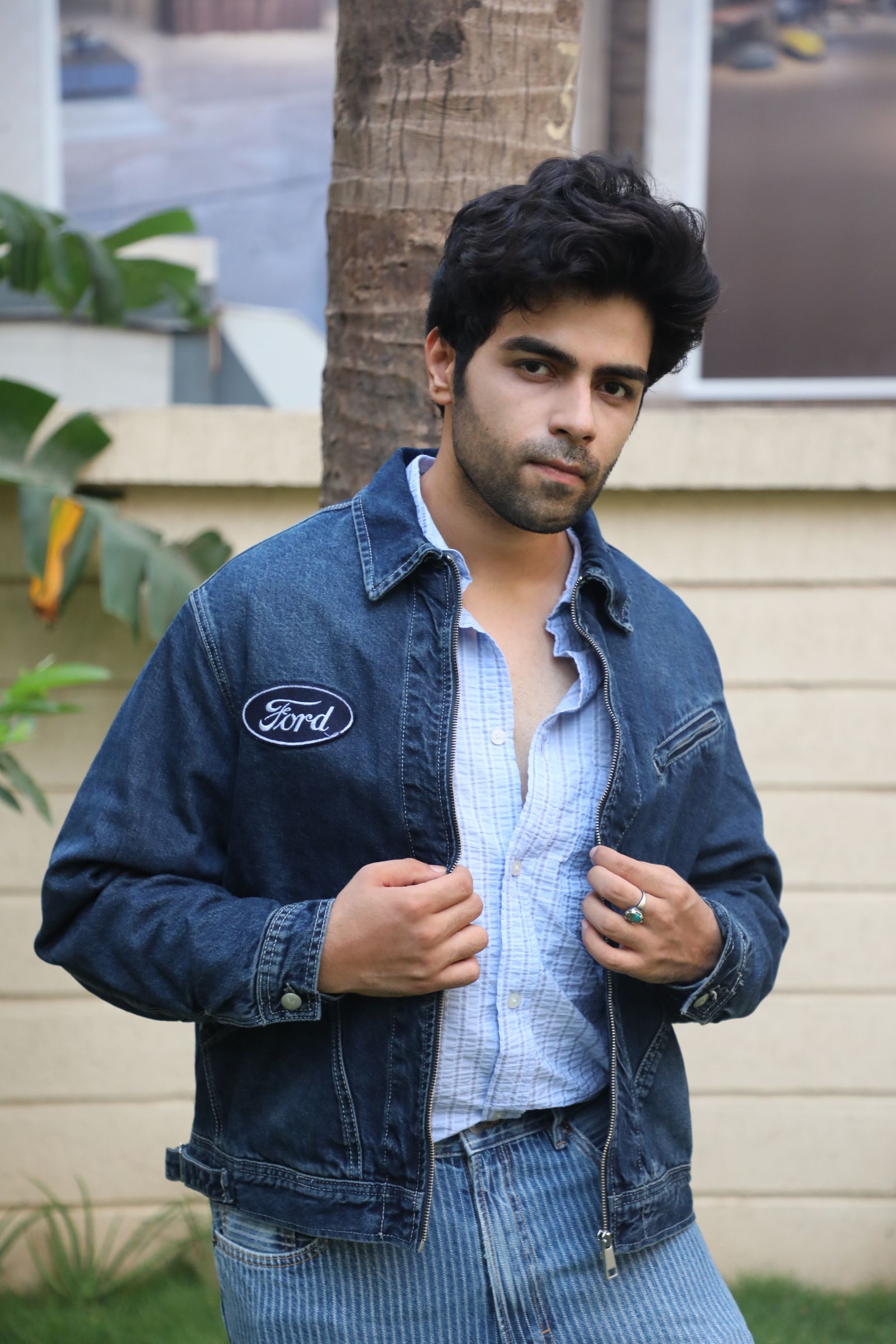
Streetwear embraces tactical patches for their modular and utilitarian feel. Oversized patches, PVC materials, and hook-and-loop backing dominate current fashion, especially on caps, backpacks, and jackets.
Patches fit streetwear because they offer flexibility; people can swap them out without replacing the garment. This makes customization affordable and fast.
Collecting and Customizing Tactical Patches
Tactical patches now serve both function and self-expression. Custom designs and active trading communities shape how people personalize their gear.
Custom Patch Trends
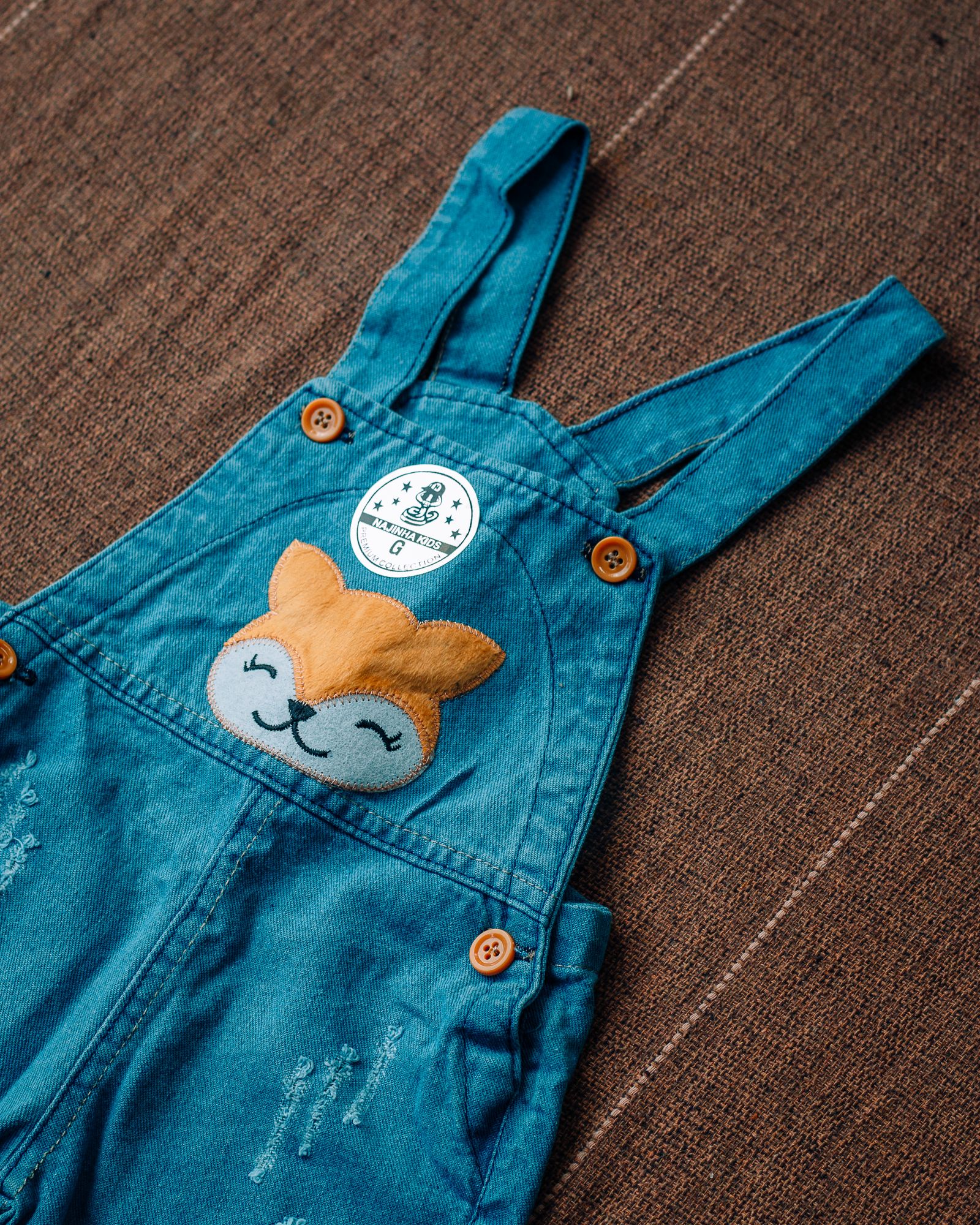
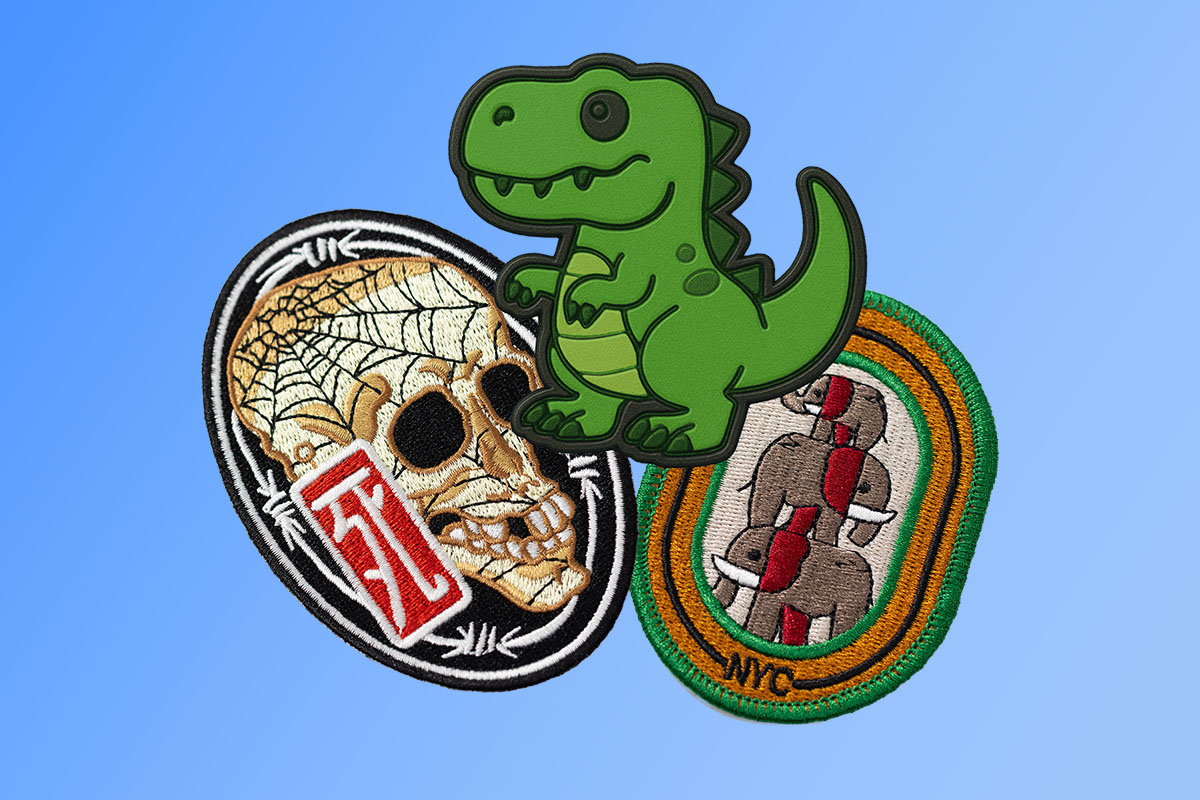
Customization drives most buying decisions today. We see strong demand for hook-and-loop backing, which lets users swap patches on vests and bags without sewing.
Popular Design Choices:
- PVC Patches: Ideal for rugged conditions and 3D detailing.
- Embroidered Patches: Best for traditional uniforms and a classic "stitched" look.
- Woven Patches: Perfect for high-detail logos and thin lines.
Patch Trading Communities
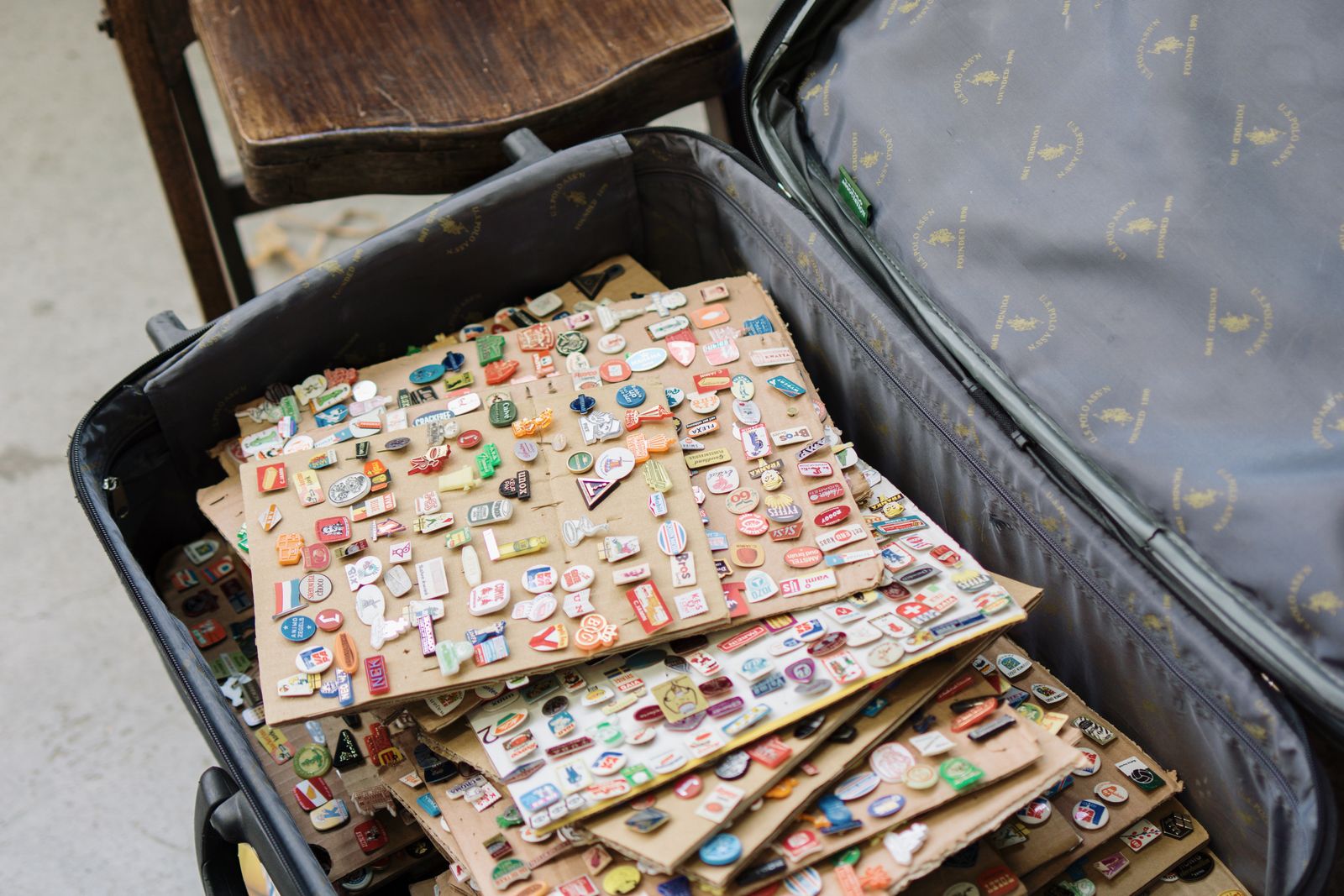
Patch trading fuels collecting culture. Online forums and social media groups let collectors exchange limited runs and unit patches. Many trades focus on condition, backing type, and origin. Collectors often store patches on "patch mats" or display panels with hook-and-loop surfaces to keep them visible and protected.
Impact on Mainstream Style
Tactical patches moved from uniforms to closets because they deliver function and identity.
Adoption in Everyday Apparel
Designers adopted tactical patches for their modular use. You can now find hook-and-loop panels on:
- Outerwear: Field jackets, bombers, and parkas.
- Accessories: Tactical caps, sling bags, and laptop sleeves.
- Footwear: Removable panels on modern sneakers.
Branding with Tactical Precision
Major brands emphasize durability, clarity, and repeatability in their patch designs.
- Consistent Sizing: Ensures patches fit multiple garments across a brand line.
- High-Contrast Embroidery: Guarantees the logo reads clearly from a distance.
- Removable Backing: Extends the product lifespan by allowing the user to move the branding to different items.