0

Key Takeaways
- Clarity: Choose woven for small text and complex logos.
- Tradition: Choose embroidered for classic uniforms and hats.
- Environment: Choose PVC for outdoor gear, tactical units, and waterproof needs.
- Comfort: Woven patches are the thinnest and most flexible for lightweight clothing.
Choosing the right patch shapes how your brand looks, feels, and holds up over time. You might want sharp detail for a logo, classic texture for a uniform, or weather resistance for outdoor gear. We see this decision come up daily at Custom Pins Now, and it often comes down to how each patch type is made and used.
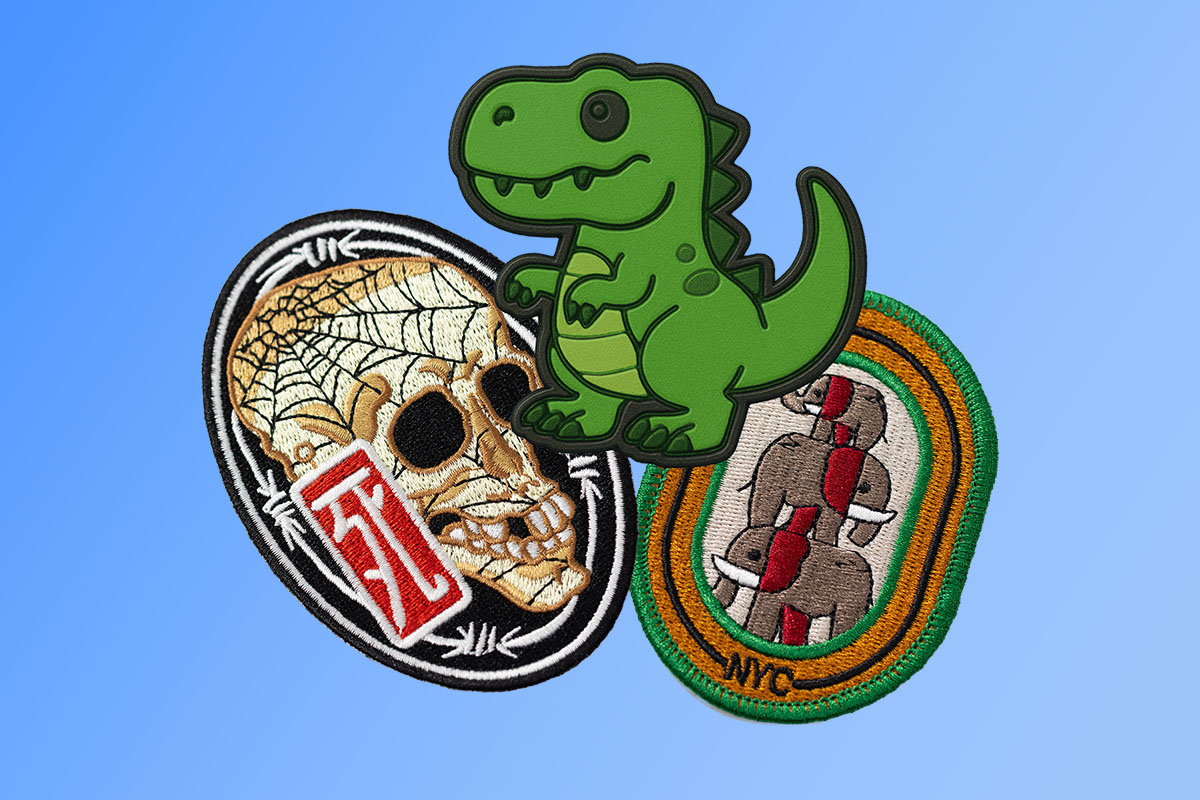
Woven patches use tightly woven threads for fine detail, embroidered patches use raised stitching for a textured, traditional look, and PVC patches use molded rubber for durability and water resistance. That core difference affects clarity, thickness, flexibility, and long-term wear, especially when you compare small text, bold icons, or harsh conditions.
We’ll break down how these patch types differ, where each one shines, and when one choice saves you time or money. If you want to feel confident before requesting a custom quote, this guide helps you match your design goals with the right patch from the start.
Key Differences Between Woven, Embroidered, and PVC Patches
Each patch type differs in material, production, and finished texture. These factors affect durability, design clarity, and how well a patch fits your intended use.
Material Composition
Woven and embroidered patches both use thread, but the density and application differ. Embroidered patches rely on thicker threads stitched onto a fabric base, creating a raised surface and a classic, tactile feel favored for uniforms.
Woven patches use thinner threads woven tightly together. The result is flatter and lighter, which is ideal for lightweight apparel. Because the weave is so tight, fine lines and small text stay much sharper.
PVC patches use soft, flexible plastic (polyvinyl chloride) instead of thread. This material is waterproof and resists sun exposure, making it the standard for tactical and outdoor gear.
At-a-Glance Comparison:
- Embroidered: Thick thread on fabric; raised and textured.
- Woven: Thin woven thread; smooth and highly detailed.
- PVC: Molded rubber/plastic; waterproof and flexible.
Production Techniques
Production methods shape the final appearance. Embroidered patches are made by stitching thread directly into a backing. While great for bold shapes, this method can struggle with intricate details.
Woven patches are created on a loom, similar to how clothing labels are made. The design is woven into the patch rather than on top of it, ensuring crisp edges for small lettering.
PVC patches use injection molding. Liquid PVC is poured into a custom metal mold and cured. This allows for distinct color layering and 2D or 3D sculpted effects. While mold setup can be higher, the durability is unmatched.
Advantages and Limitations of Each Patch Type
Understanding the tradeoffs across wear, price, and attachment helps you choose the right build for your project.
Durability
- Embroidered: Highly durable for daily wear but can snag if the design has long, loose stitches.
- Woven: Resists fraying due to the tight weave but is thinner and more susceptible to abrasion in high-friction areas.
- PVC: The leader in durability. It won't fray, crack, or fade, and it can be wiped clean of mud or grease.
Aesthetic Appeal
Embroidery provides depth and dimension. It looks traditional and high-end on hats and jackets. Woven patches offer precision and modern sleekness, perfect for streetwear or detailed corporate logos. PVC patches provide a technical, rugged look with vibrant, solid colors that don't bleed.
Cost Considerations
- Embroidered: Costs vary by "stitch percentage" (how much of the backing is covered).
- Woven: Often the most cost-effective for complex, multi-colored artwork at high volumes.
- PVC: Higher initial setup cost due to the metal mold, but very competitive unit pricing for large orders.
Application Methods
Most patches support sew-on, iron-on, or Velcro® (hook and loop) backings.
- Iron-on: Best for casual use; may peel after many high-heat washes.
- Sew-on: The most permanent and secure method.
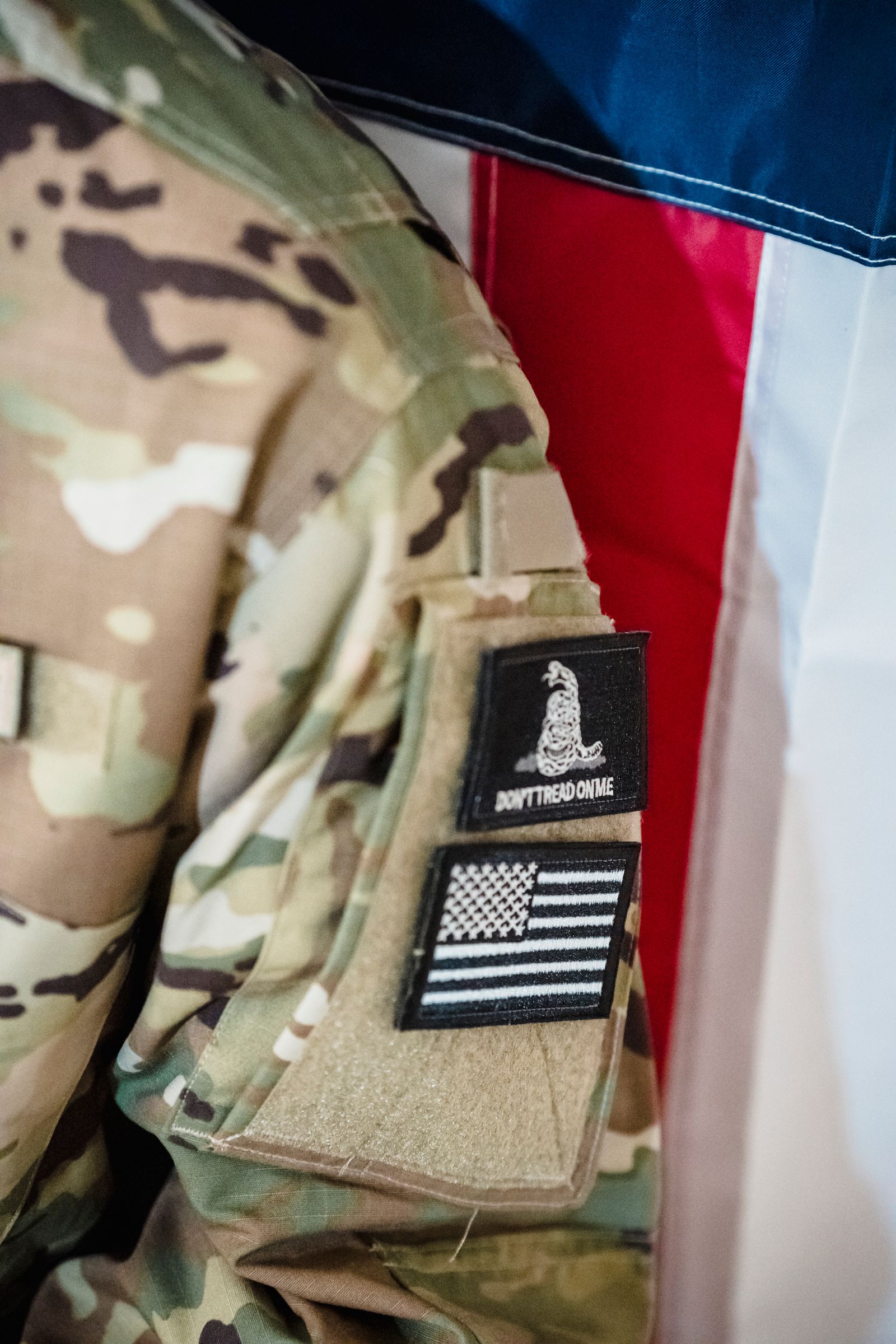
- Velcro®: Standard for PVC and tactical patches, allowing for quick swaps on gear.
Best Use Cases Based on Patch Type
Apparel and Uniforms
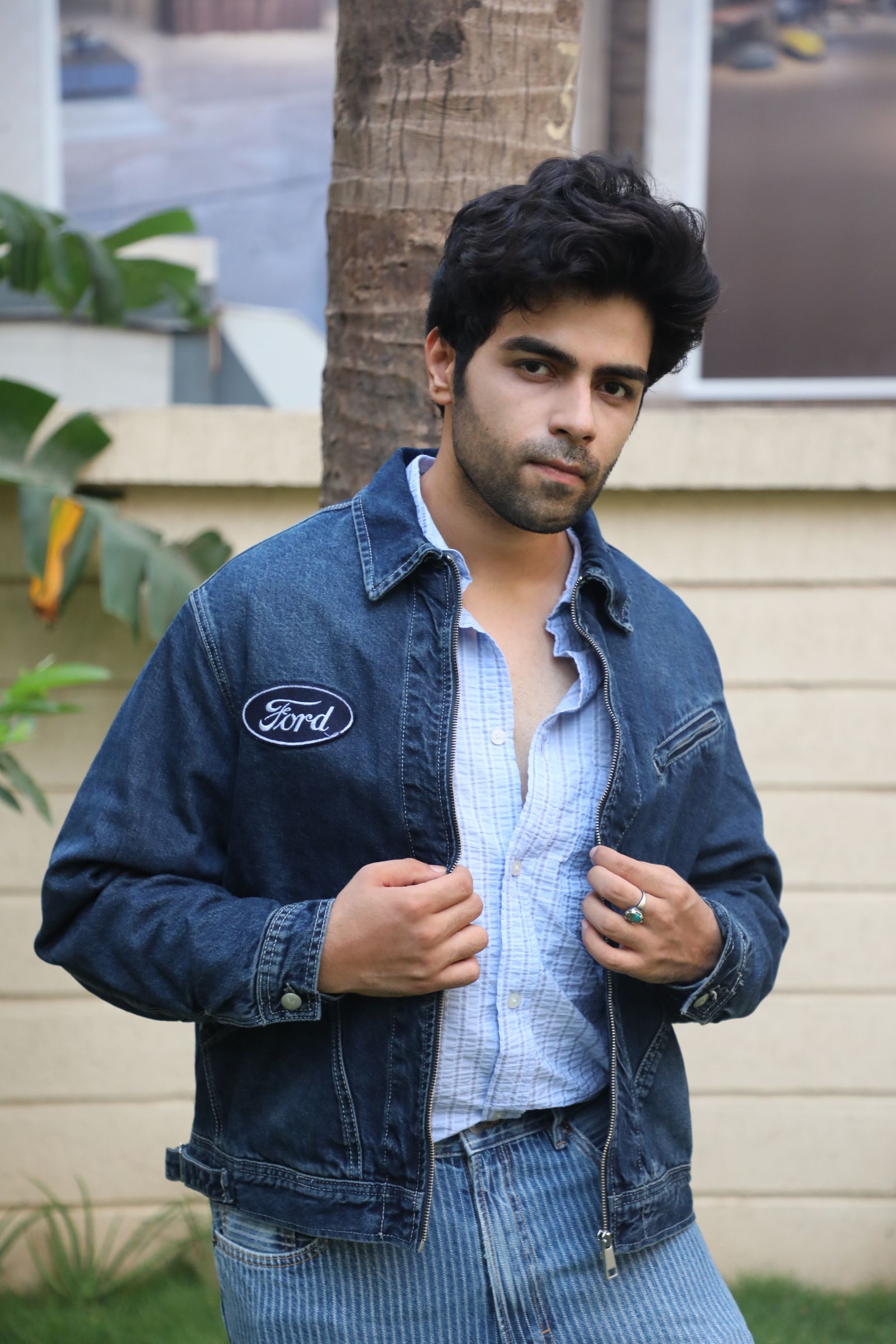
For workwear and team uniforms, embroidered patches are the go-to. They read clearly from a distance and offer a professional, "official" look. However, if your logo has a website URL or fine fine-print tagline, woven patches are superior because the text won't turn into a "blob" of thread.
Outdoor and Tactical Gear
PVC patches are the only choice for gear exposed to the elements. Because they don't absorb water, they won't get heavy in the rain or grow mold in damp storage. They are perfect for backpacks, rain shells, and morale patches for first responders.
Fashion and Streetwear
Woven patches are a favorite for contemporary branding. Their flat profile allows them to be used as external labels on t-shirt hems or beanies without feeling bulky. For heritage or "vintage" fashion looks, the texture of embroidery is often preferred.