0

Key Takeaways
- Deep Roots: From Ancient Rome to WWI, coins have always signaled belonging.
- The "Handshake" Presentation: The military tradition of passing a coin during a handshake remains the gold standard for personal recognition.
- Branding Power: Modern corporations use coins to turn abstract values into a heavy, tangible asset that employees actually keep.
You have likely seen a challenge coin passed with pride, but you may not know how deeply its story runs. Challenge coins began as military tokens of identity and unity and later evolved into powerful symbols used for recognition, culture, and brand loyalty. We trace that shift from early service traditions to the custom pieces used today.
We explore how military units used coins to prove belonging, reward service, and build trust. Over time, designs changed, materials improved, and the meaning expanded beyond the armed forces into law enforcement, organizations, and companies that value shared identity.
Today, we see challenge coins as compact brand assets that tell a story in metal. As a custom promotional products company, we understand why organizations now collect, preserve, and commission coins to mark milestones and strengthen connections, and why custom design matters when you want a piece that lasts.
Origins of Challenge Coins
Challenge coins trace a clear line from early symbols of identity to formal military recognition. Their origins reflect practical needs, shared identity, and leadership-driven morale.
Ancient Precedents
Long before modern armies, leaders used small metal tokens to signal loyalty and service. Ancient Rome issued donativa coins to soldiers after campaigns, often stamped with imperial imagery. These coins carried value, but they also marked status.
Similar practices appeared in other cultures where rulers distributed medallions to messengers, guards, and elite units to confirm authority.
Common traits across these early examples included:
- Distinct markings tied to leadership or rank.
- Portable size for daily carry.
- Symbolic meaning beyond monetary worth.
World War I Beginnings
The most cited origin of the modern challenge coin dates to World War I. A wealthy American lieutenant ordered bronze medallions for his Army Air Service squadron. Each coin displayed the unit’s emblem and served as a personal identifier.
One widely shared account describes a captured pilot who used his coin to prove his identity after escaping captivity. While historians debate the details, the story persists because it highlights a practical purpose: identification under pressure.
Early Adoption Among Military Units
After World War I, the practice spread through the branches. Army and Air Force units adopted coins first, followed later by the Navy and Marine Corps. Coins marked deployments, command changes, and exceptional service. By the mid-20th century, informal “coin checks” reinforced the habit of carrying them, building camaraderie and accountability within units.
Early Use Cases:
- Unit Identity: Squadron or battalion-specific coins.
- Recognition: Unique coins presented by high-ranking commanders.
- Milestones: Commemorating specific deployments or leadership transitions.
Evolution of Military Challenge Coins
Military challenge coins developed through shared practices, visual language, and memorable exchanges. Over time, units refined how they used coins and what they symbolized.
Traditions and Rituals
Service members use challenge coins to recognize membership and service milestones. A commander often presents a coin during promotions or mission completion. Coins also play a role in informal rituals, most notably the coin check, where members must produce their coin on demand or buy a round for the group.
Common traditions include:
- Carrying the coin at all times while assigned to a unit.
- Presenting coins with a "secret" handshake to keep the exchange discreet.
- Retiring a coin when leaving the unit or command.
Symbolism and Design Elements
Military designs prioritize clarity and authority. Most feature a unit insignia on one side and a motto, mission, or date on the other.
Design Principles:
- Shape: Round coins dominate, but shields and dog tags appear for specific units.
- Materials: Zinc alloys and brass support durability.
- Finishes: Antique gold or silver improves contrast and prevents visible wear.
Notable Coin Stories
Several widely shared stories shaped the coin’s reputation. Modern examples involve commanders issuing limited-run coins after joint operations, making them scarce and highly meaningful. Veterans frequently keep these coins for decades as their most prized professional keepsakes.
Challenge Coins in Modern Culture
Challenge coins now serve clear roles beyond the military. First responders use them to reinforce identity, while companies use them to express brand values and corporate culture.
Adoption by First Responders
Police, fire, and EMS units use challenge coins to mark academy graduation, major incidents, or years of service. These coins carry practical meaning for crews as symbols of trust. Designs typically include unit seals, call signs, or local landmarks.
Common applications:
- Line-of-duty recognition.
- Inter-agency cooperation events.
- Retirement and memorial tributes.
Use in Corporate Branding
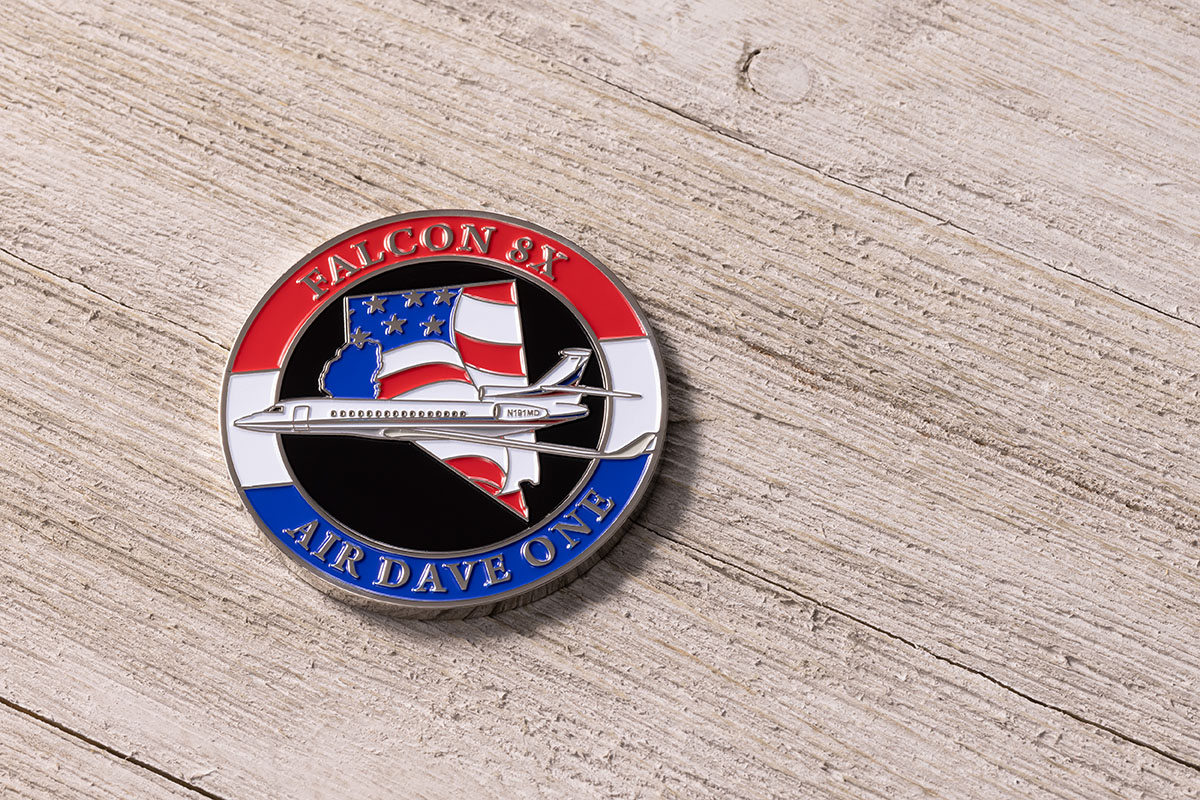
Companies now use challenge coins as compact brand tools. Unlike brochures or apparel, a coin feels permanent. Teams give them to employees, partners, and high-value clients to mark achievements.
Corporate coin features:
- Logos and brand colors.
- Mission statements or core values.
- Product launch dates.
Commemorative and Promotional Coins
Organizations use challenge coins to mark events and campaigns. Museums and nonprofits issue them to donors as keepsakes with long-term value. Promotional coins focus on storytelling through design rather than mass distribution. Limited runs and custom shapes help reinforce exclusivity.
Collecting and Preserving Challenge Coins
Collectors value challenge coins for their history and craftsmanship. Proper valuation and storage protect that value for the long term.
Rarity and Valuation
Rarity drives value, but context matters most. Limited mint runs and coins tied to notable commanders often command the highest interest.
Assessment Factors:
- Production Size: Fewer coins usually mean higher demand.
- Condition: Scratches and oxidation reduce value quickly.
- Provenance: Documentation from a specific unit or deployment adds credibility.
- Design Quality: Detailed 3D enamel and custom shapes stand out.
Proper Storage Methods
Storage protects both appearance and value. Coins suffer damage from humidity and direct sunlight.
- Use acid-free coin capsules for individual protection.
- Use soft-lined cases to prevent metal-on-metal friction.
- Include silica gel packs in storage boxes to control moisture.
- Avoid PVC plastics, which can release chemicals that stain metal over time.
Popular Display Techniques
- Shadow Boxes: With UV-resistant glass for wall mounting.
- Wooden Display Racks: For tiered desk or shelf organization.
- Labeling: Adding small placards with the date and issuing organization adds credibility to a collection.