0

Key Takeaways
- Placement Sets Size: Hats take 2 to 2.5 inches, shirt chests 3 to 3.5, and jacket backs 10 to 12, so measure the surface first.
- Three Inches Rules: A 3-inch patch remains the most popular choice for logos on shirts, balancing visibility with comfort.
- Shape Avoids Waste: Circle, rectangle, shield, or custom cut, choose the outline that avoids awkward edges and dead space.
Patches do more than decorate gear; they communicate identity, purpose, and quality at a glance. We see brands struggle when a patch looks cramped on a hat or oversized on a jacket. That choice affects comfort, durability, and how professional your product feels.
The right patch size and shape depend on where it goes, how complex the design is, and how much space you leave for clean edges and balanced placement. We help you measure the surface, choose proportions that fit naturally, and select shapes-circle, rectangle, shield, or custom cut-that avoid awkward edges and wasted space.
As we break down sizes, shapes, and real-world placement, you’ll see how small decisions create better results. Want a patch that fits cleanly and sells your brand without guesswork? We’ll show you how to choose with confidence and move quickly toward a custom quote that fits your needs.
Patch Sizes Explained
Patch size affects visibility, comfort, and how well the design fits the item. We focus on standard dimensions, flexible custom options, and accurate measuring so you can choose a size that looks intentional and performs well.
Standard Patch Dimensions
Standard patch sizes work because they fit common placement areas without crowding seams or edges. They also keep production costs predictable and turnaround times faster.
- Hats & Caps — 2–2.5 in
- Shirt Chest — 3–3.5 in
- Jacket Chest — 3–4 in
- Jacket Back — 10–12 in
- Backpacks — 3–5 in
A 3-inch patch remains the most popular choice for logos on shirts and bags. It balances detail and readability at arm’s length. Rectangles often work better for text-heavy designs, while circles and shields suit logos and emblems.
We recommend standard sizes when you want a proven fit or need to reorder later with consistent results. They also help when matching uniform guidelines or event requirements.
Custom Patch Sizing Options
Custom sizing gives you full control when standard dimensions fall short. You can scale the patch to match design complexity, brand hierarchy, or a specific garment panel.
Larger patches allow for fine details, gradients, and small text. Smaller patches work best for bold icons with limited wording. Shape matters too; a 3-inch circle appears smaller than a 3-inch rectangle because it uses less surface area.
Common custom considerations include:
- Design density: More detail needs more space.
- Garment type: Curved surfaces limit usable width.
- Backing choice: Velcro and sew-on backings need edge clearance.
We review your artwork and placement goals before production. That step reduces revisions and speeds up your free quote.
How to Measure Patch Size
Accurate measuring prevents wasted space and awkward placement. Start by measuring the flat area where the patch will sit, not the entire garment panel.
Follow these steps:
- Use a ruler or tape to measure width × height in inches.
- Leave 0.25–0.5 inches of clearance on all sides.
- Account for seams, buttons, and zippers.
- Test with a paper cutout taped in place.
For irregular shapes, measure the widest and tallest points. If you feel unsure, send us photos and dimensions. We confirm sizing before production and include it in your free quote.
Popular Patch Shapes
Patch shape affects how a design reads at a distance, how it sits on fabric, and how people recognize a brand. The right choice balances visual clarity, available space, and how the patch attaches to items like hats, uniforms, backpacks, or jackets.
Square and Rectangle
Square and rectangle patches remain the most requested options for uniforms, workwear, and promotional apparel. Straight edges make logos, text, and borders easy to align and easy to read.
These shapes work especially well when your design includes:
- Multiple lines of text
- Logos with straight edges
- Badges that need clear hierarchy
Rectangular patches fit naturally on sleeves, chest panels, and bag fronts. Square patches feel balanced and compact, which helps on hats or smaller garments. We often recommend these shapes when clarity matters more than decoration.
Backing choices also pair well with these shapes. Velcro, sew-on, and plastic backings sit flat without curling at the edges. If you want a clean, professional look that scales across sizes, this shape family delivers reliable results. Want help choosing dimensions? Our free quote process makes it fast.
Round and Oval
Round and oval patches soften a design and draw attention to a central symbol. These shapes reduce harsh corners, which helps on curved surfaces like caps, shoulders, and backpacks.
They suit designs built around:
- Icons or emblems
- Circular logos
- Minimal text
Round patches feel traditional and familiar, which explains their popularity with clubs, sports teams, and heritage brands. Oval patches offer more horizontal space while keeping the same smooth outline, making them a smart compromise when text needs room.
Borders matter here. A stitched or merrowed edge reinforces the shape and prevents distortion. If your goal involves approachability and strong visual focus, round or oval patches often convert better on merchandise and giveaways.
Die-Cut and Custom Shapes
Die-cut and custom shapes follow the exact outline of your logo or artwork. They remove unused space and create a distinctive silhouette that stands out immediately.
These shapes work best when:
- Your logo has a unique outline
- Brand recognition matters more than symmetry
- You want a premium, custom feel
Because edges vary, we review backing and placement carefully. Flat surfaces handle custom cuts best, while curved items may need adjustments to avoid lifting. Custom shapes require tighter production tolerances, but the payoff is a patch that feels purpose-built.
If you want your patch to look unmistakably yours, this option delivers. We help refine the cut line and size during the quote stage so production stays efficient and accurate.
Choosing the Right Size and Shape
Patch size and shape affect visibility, durability, and how well a design fits its surface. We focus on placement, use case, and industry norms to help you choose dimensions that look intentional and function well.
Matching Patches to Application
Start with where the patch will live. A chest or hat patch needs compact dimensions, while a jacket back or backpack allows more space for detail.
Common placements and ranges include:
- Hats: 2"–3" wide, circular or rectangular
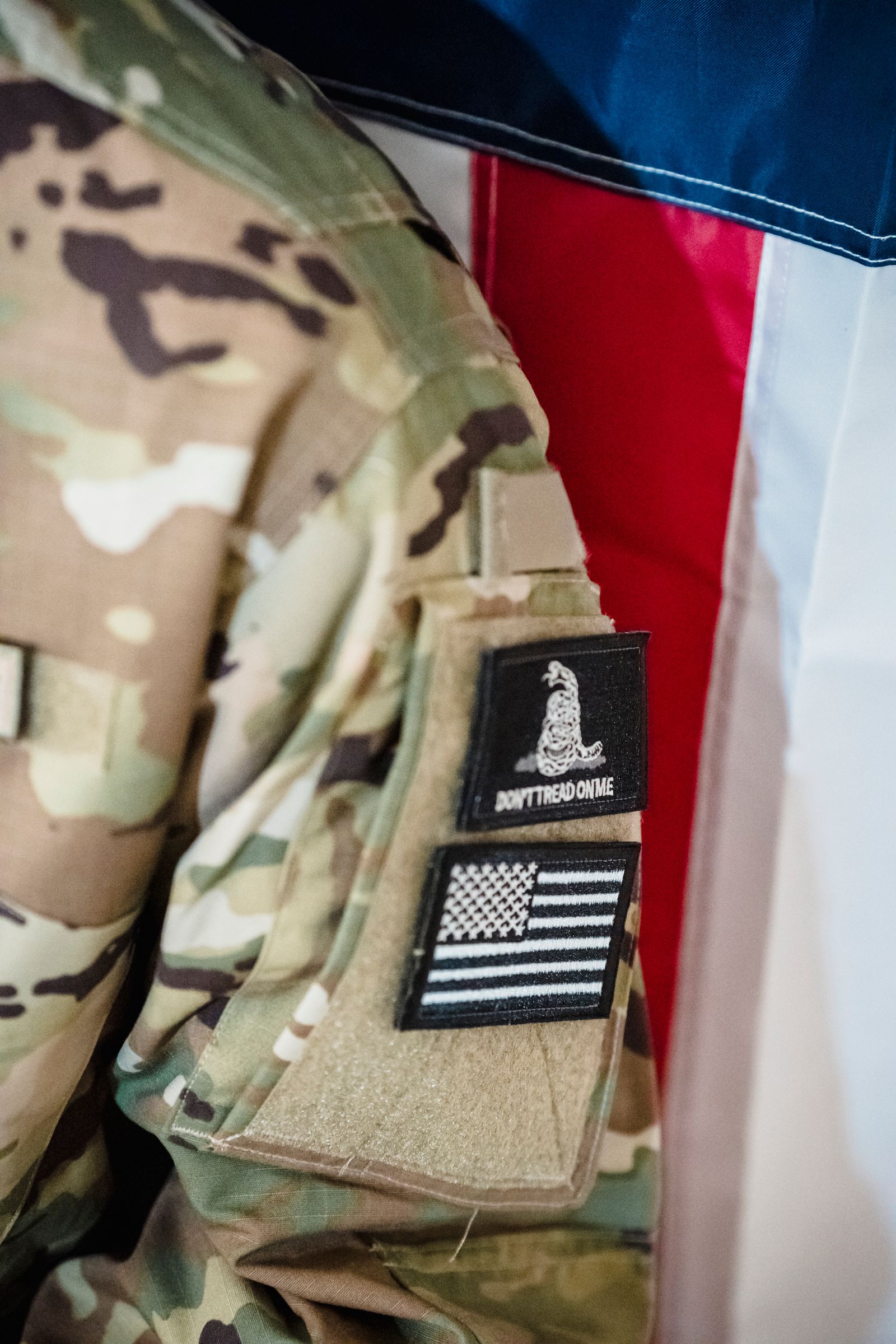
- Shirts and sleeves: 3"–4", rectangular or shield
- Jackets and backpacks: 4"–6"+, shield, oval, or custom cut
Shape matters as much as size. Circular patches read smaller than rectangles at the same width, while vertical shields feel taller and more formal. Avoid edges that fight the garment seams or curves.
Design clarity should guide your choice. Fine text and thin lines need more room to stay legible after stitching. If you feel unsure, we review mockups and suggest adjustments before production. That step alone saves time and reorders. You can always request a free quote with artwork to see real dimensions in context.
Industry-Specific Recommendations
Different industries follow different visual standards. Matching them builds trust and keeps branding consistent.
- Corporate — Typical Size: 2.5"–3.5" — Common Shapes: Rectangle, circle — Notes: Clean lines, limited colors
- Law enforcement — Typical Size: 3"–4.5" — Common Shapes: Shield, badge — Notes: High contrast, clear text
- Clubs & teams — Typical Size: 3"–5" — Common Shapes: Custom cut — Notes: Bold icons, flexible shapes
- Events & promos — Typical Size: 2"–4" — Common Shapes: Circle, square — Notes: Fast recognition, cost control
Uniformed roles favor standardized shapes for easy recognition. Promotional campaigns often choose smaller sizes to manage budgets without losing impact.
We help you balance brand goals, cost, and production limits. Share your use case, and we’ll guide you to a size and shape that fits-then price it clearly on our free quote page.