0

Key Takeaways
- Values Over Slogans: Build the patch around behavior your brand actually practices, not marketing language nobody lives by.
- Small Scale Wins: The design has to read clearly at patch size and survive repeat use, so simplify before you produce.
- Consistency Compounds: Repeat the same material, color, and iconography across apparel and uniforms so recognition builds over time.
Custom patches let brands communicate meaning through design, texture, and placement. We use custom patches to tell a brand’s story by translating its values, history, and voice into visual elements that people recognize and remember. When the story feels clear, the patch becomes more than decoration.
At Custom Pins Now, we see patches work best when they reflect a defined narrative and support consistent design choices. Material, color, iconography, and application all reinforce identity across apparel, uniforms, and merchandise. Each choice signals who the brand serves and what it stands for.
This article shows how we shape a clear narrative, design patches that support it, apply them with intent, and track results over time. If the goal includes stronger recognition and more qualified interest, the right patch strategy can move brands closer to that outcome and toward a fast, free quote.
Defining Your Brand Narrative
Strong patches start with a clear story. We define what your brand stands for, shape that meaning into a simple narrative, and translate it into visuals that work at small scale and repeat use.
Identifying Core Brand Values
We begin by naming the values your brand actually practices, not slogans. Patches work best when they reflect lived behavior, shared standards, or earned achievements.
Ask direct questions:
- What promise do we keep for customers?
- What behavior do we reward internally?
- What moment should someone remember when they see this patch?
Limit your list to three to five values. More than that dilutes the message. For example, brands often choose clarity, reliability, or craftsmanship because those ideas convert well into symbols, icons, and text.
At Custom Pins Now, we see the strongest patches tied to specific uses, such as onboarding, milestones, or limited releases. Those contexts anchor values in real actions, which makes the story believable and easier to wear.
Crafting a Compelling Story
Once values are clear, we turn them into a short, repeatable story. A patch does not explain everything, so the story must fit in a few visual cues.
We recommend a simple structure:
- Who you serve
- What problem you solve
- Why your approach matters
This story should work without supporting text. Many brands use patches to mark achievements, events, or affiliations because those moments already carry meaning.
Story-driven patches often perform better in branding because they invite recognition and conversation rather than passive viewing. When someone asks about the patch, the story continues naturally. That interaction helps your brand travel farther than a logo alone.
Aligning Visual Identity With Messaging
Visual choices must reinforce the story, not compete with it. Every element should earn its place.
Use this alignment guide when reviewing designs:
- Colors — Match existing brand palette or uniforms
- Symbols — Tie directly to values or milestones
- Text — Keep it short; legible at arm’s length
- Shape — Reflect function (badge, crest, tag)
Consistency matters across batches and products. When patches feel intentional, they signal quality and reliability.
If you want help translating your narrative into a patch that people actually wear, we can quote options quickly and walk through materials, sizes, and finishes that support your story.
Designing Custom Patches for Storytelling
Strong patch design turns brand values into clear visuals people recognize at a glance. We focus on intentional choices in shape, color, materials, and collaboration to make each patch communicate purpose and identity.
Selecting Shapes, Colors, and Materials
Shape sets the tone before anyone reads a word. Shields signal tradition, circles feel inclusive, and custom die-cut shapes highlight originality.
Color choices should reflect brand standards and practical use. High-contrast palettes improve visibility on uniforms, bags, and hats, while muted tones suit heritage or lifestyle brands.
Material affects both look and durability. We guide brands through options based on use case:
- Embroidered — Best For: Uniforms, clubs — Key Benefit: Classic texture, long wear
- Woven — Best For: Detailed logos — Key Benefit: Sharp lines, small text
- PVC — Best For: Outdoor gear — Key Benefit: Waterproof, flexible
- Leather — Best For: Premium goods — Key Benefit: Natural, upscale feel
When you align shape, color, and material, the patch tells a clear story without extra explanation.
Incorporating Brand Elements
Every effective patch includes recognizable brand elements. Logos anchor the design, but supporting details give it meaning.
We recommend prioritizing:
- Core symbols customers already associate with your brand
- Short slogans or dates that mark milestones or campaigns
- Icons or mascots that add personality without clutter
Scale matters. Oversized text reduces flexibility, while tiny details disappear at a distance. We help brands simplify artwork so it stays readable on small surfaces.
Consistency builds trust. When patches match your website, packaging, and pins, customers connect those touchpoints into one brand story.
Collaborating With Designers
Collaboration saves time and avoids costly revisions. Clear input leads to stronger results.
Before design begins, we suggest preparing:
- Vector logo files
- Brand color codes
- Intended placement and size
- Quantity and budget range
Our team at Custom Pins Now reviews artwork with production limits in mind. We flag thread counts, color breaks, and edge types early so nothing surprises you later.
Want feedback before committing? We encourage brands to request a free quote and design review. It keeps the process efficient and the final patch aligned with your goals.
Strategies for Using Custom Patches
Custom patches work best when they appear in the right places, launch with intent, and invite people to participate. Smart placement, controlled releases, and hands-on customization turn a simple patch into a clear brand signal.
Placement on Apparel and Merchandise
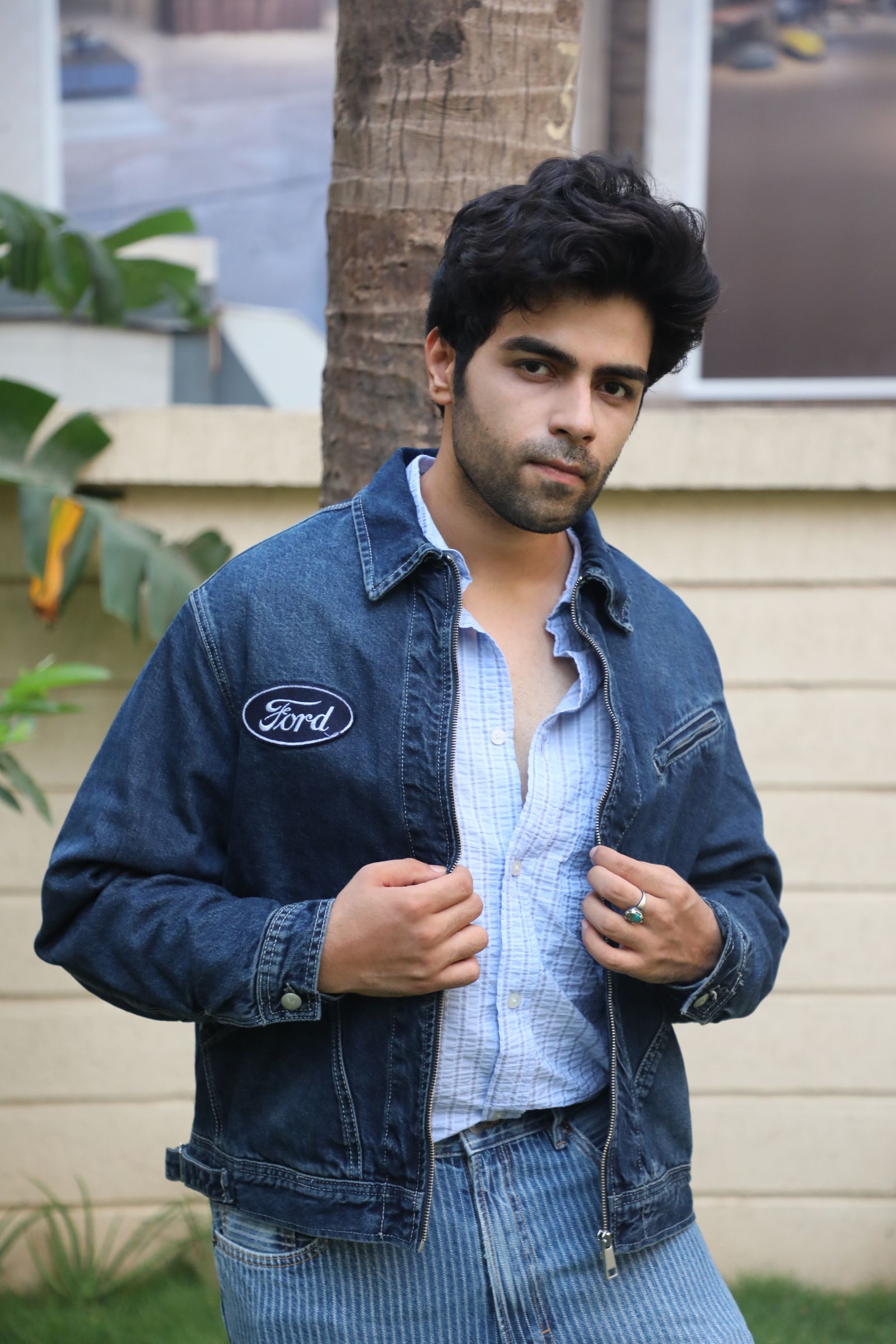
We recommend placing patches where people see them during real use, not just at checkout. Uniforms, hats, jackets, backpacks, and tote bags offer consistent exposure and clear context for your brand.
High-impact placements include:
- Left chest or sleeve on employee apparel for daily visibility
- Front panels on caps for quick recognition
- Outer pockets on bags for repeated impressions
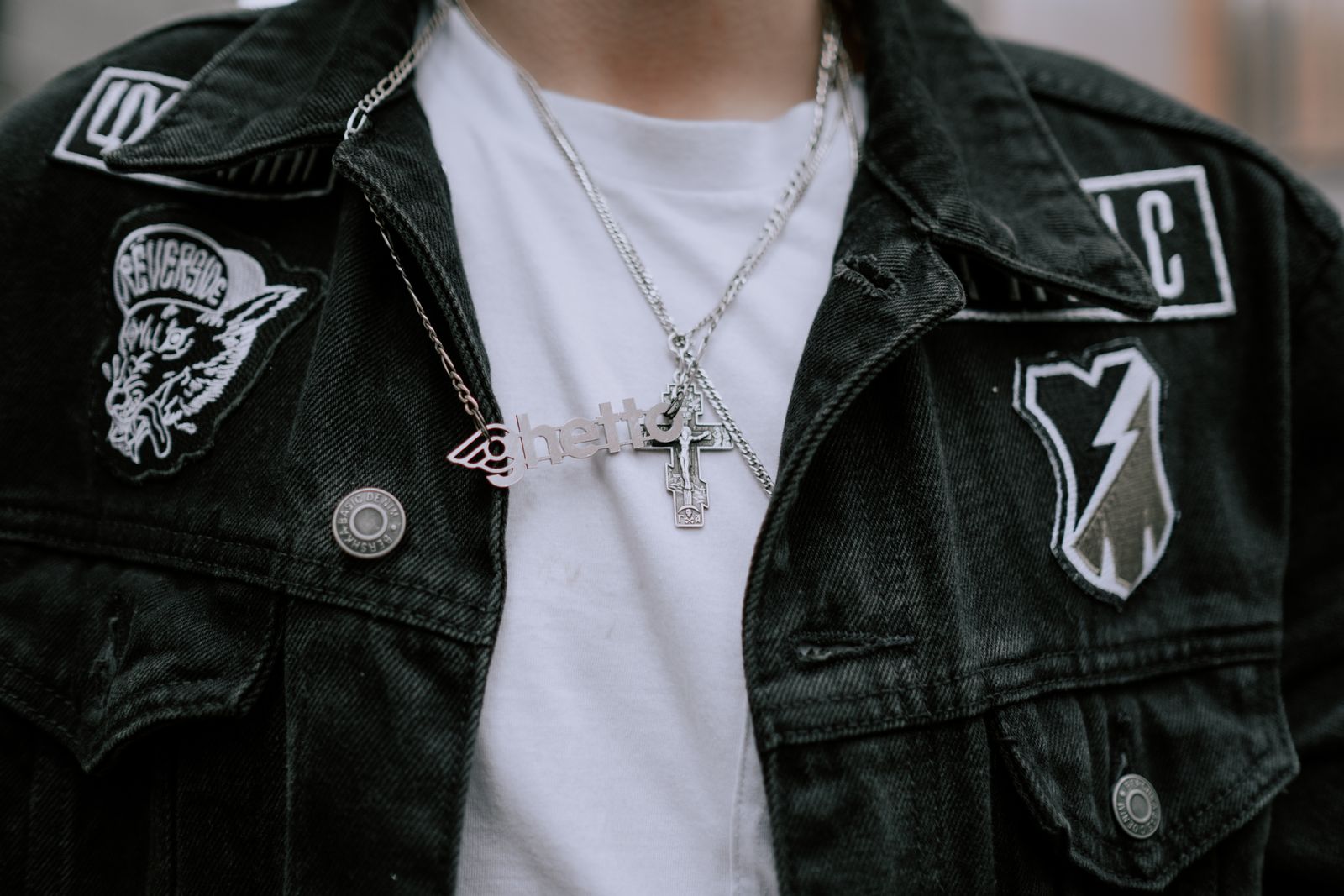
Match the patch type to the item. Embroidered patches fit workwear and uniforms. Iron-on or Velcro patches suit promotions and swaps. When placement stays consistent, customers start to recognize your brand without reading a logo. If you want help selecting sizes or attachment methods, we can quote options that fit your products and budget.
Limited Edition and Promotional Campaigns
Limited runs create urgency when you tie them to a moment or action. Seasonal drops, event-only patches, and campaign milestones give customers a reason to engage now instead of later.
Use patches as rewards or entry points:
- Event attendance or trade show visits
- Social media giveaways tied to a specific post
- Product launches or collaborations
Keep quantities fixed and designs dated or numbered to signal scarcity. Many brands pair these releases with apparel or accessory bundles to increase perceived value. We often see better engagement when brands promote the patch visually before release. If you want to test a short run before scaling, our free quote process makes that easy.
Building Community Through Customization
Customization invites customers into your story. When people choose, trade, or display patches, they show affiliation, not just interest.
Offer options that encourage participation:
- Velcro-backed patches for swapping
- Region- or role-based designs for teams
- Personalized name or title strips
User-generated content grows naturally when customers share how they use your patches. That content reinforces identity across social platforms without extra ad spend. We design patch programs that support growth over time, not one-off sales. If you want to explore a system that builds loyalty, we can help you plan it and price it clearly from the start.
Measuring Impact and Evolving Your Patch Strategy
We need clear data to know whether our custom patches strengthen brand recognition and customer connection. Tracking feedback and adjusting designs based on real market signals keeps patches relevant, effective, and aligned with customer expectations.
Gathering Audience Feedback
We measure impact by tracking how people interact with our patches after distribution. Start with distribution numbers, then connect them to outcomes like repeat purchases or event follow-ups.
Direct feedback matters. Ask customers short questions at checkout, in post-order emails, or at events. Social media also provides useful signals through comments, shares, and user-generated photos featuring the patch.
Focus on practical indicators such as:
- Redemption rates for patch-related promotions
- Engagement levels on posts that show patches
- Customer comments about quality, design, or placement
A simple table helps organize results:
- Units distributed — What It Shows: Reach — Why It Matters: Confirms exposure
- Social mentions — What It Shows: Engagement — Why It Matters: Signals interest
- Customer feedback — What It Shows: Perception — Why It Matters: Guides improvement
We use this data to refine future orders and guide quote requests with confidence.
Adapting Designs for Market Trends
Feedback only works when we act on it. Market trends change fast, especially across corporate branding, streetwear, and promotional events.
We adapt by reviewing which designs customers keep, wear, or share. Clean layouts work well for uniforms, while bold colors and textures perform better in fashion and collectibles. Texture, weight, and stitching quality often signal perceived value, which customers consistently notice.
Before reordering, we review:
- Color preferences by audience segment
- Patch types used most often (embroidered, woven, PVC)
- Placement feedback on hats, jackets, or bags
This process reduces revisions and speeds production. If you want help refining your next patch run, we guide you from insights to a fast, accurate free quote.