0


Key Takeaways
- Wearable Impressions: Patches on jackets, hats, and bags create repeated visibility at a very low cost per impression.
- Design for Reuse: People keep what looks good, so make the patch something they would wear without being asked.
- Tie to Moments: Anchor patches to launches, teams, and promotions so each run has a clear reason to exist.
You want practical ways to turn everyday gear into brand touchpoints that people actually keep. We help you do that by pairing clear branding goals with custom patches that travel on jackets, hats, bags, and uniforms. This approach sets the stage for smart design choices and focused marketing tactics.
You market your brand using custom patches by placing a durable, on‑brand design on items people wear and reuse, creating repeated visibility at a low cost per impression. We use this method at Custom Pins Now to help you reinforce identity, spark recognition, and support launches, teams, and promotions without waste.
You’ll see how patches support branding, how to design them for clarity and consistency, and how to deploy them through merchandise, events, uniforms, and giveaways. Want patches that fit your budget and timeline? We make it easy to move from idea to a fast, free quote when you’re ready.
Understanding the Role of Custom Patches in Branding
Custom patches give brands a physical, repeatable way to communicate identity, build recognition, and stand apart in crowded markets. When used with intent, patches turn everyday apparel and accessories into consistent brand touchpoints that people notice and remember.
Visual Identity Enhancement
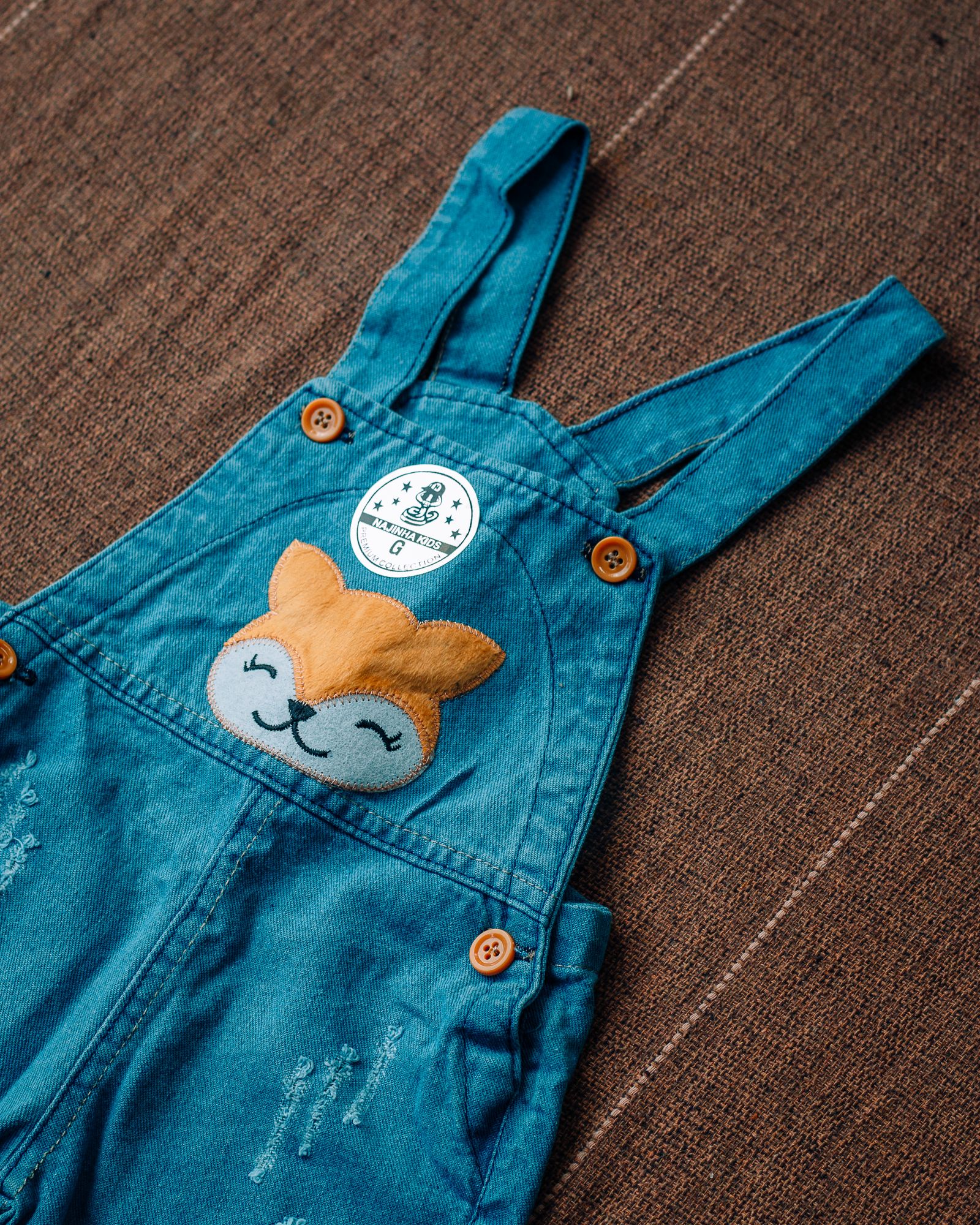
Custom patches translate your brand’s visual system into a durable, tactile format. Shape, thread type, color accuracy, and border style all reinforce brand guidelines when applied correctly. Embroidered patches add texture and depth, while woven patches support fine detail and small text.
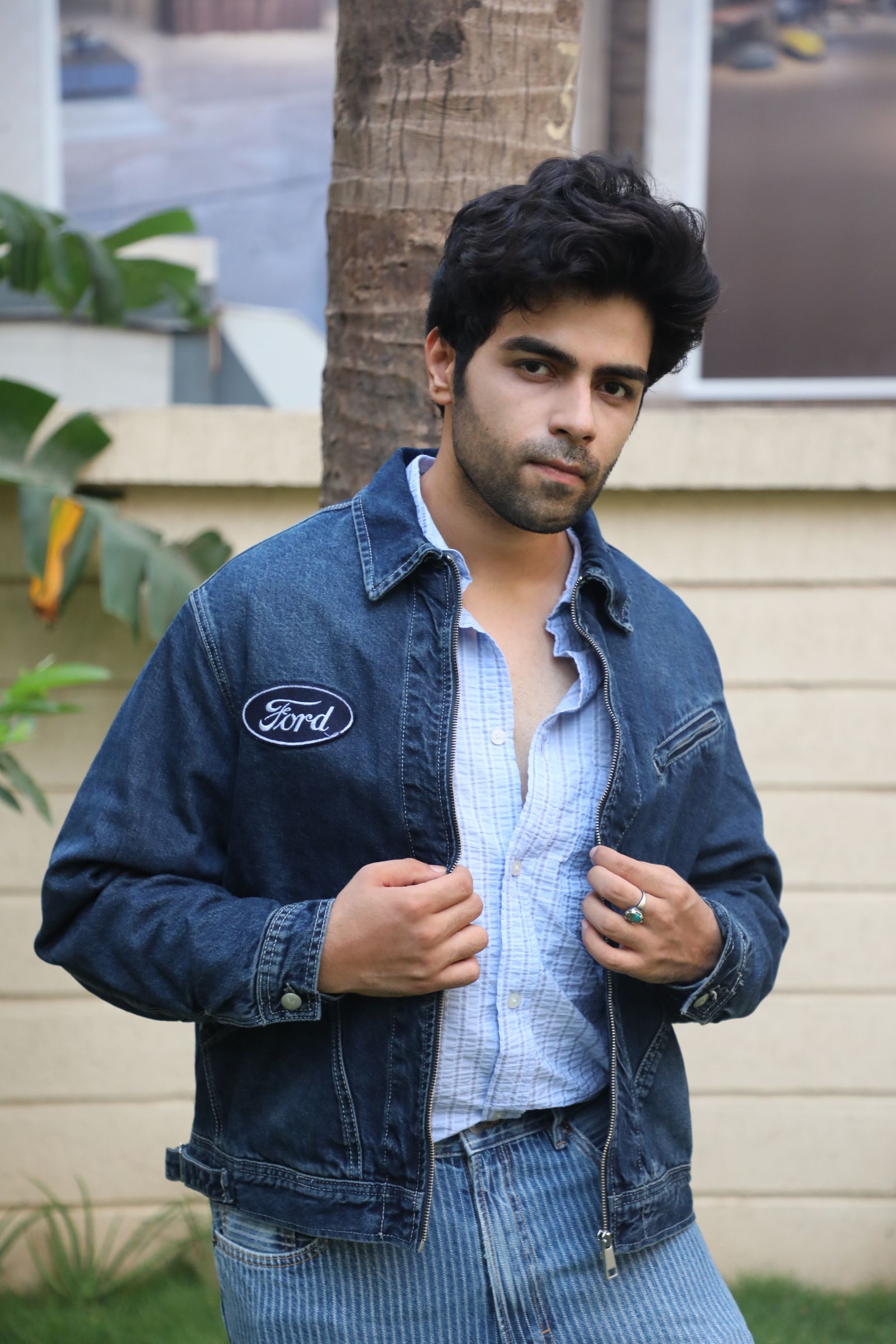
We see brands use patches to standardize their look across uniforms, hats, bags, and event merch. That consistency matters.
Key design elements to control:
- Color matching to brand palettes
- Logo clarity at small sizes
- Material choice based on use case
- Attachment method (sew-on, Velcro®, heat seal)
At Custom Pins Now, we help brands choose formats that match real-world wear. That decision protects your visual identity long after first use.
Brand Recognition
Patches function as repeat exposure tools. When someone wears your patch, your logo travels through workplaces, events, and public spaces without ongoing media spend. Repetition builds familiarity, and familiarity builds trust.
Unlike printed graphics that fade, quality patches hold their form and color over time. This durability supports long-term recognition, especially for workwear, teams, and community-driven brands.
Common recognition-driven uses include:
- Employee uniforms
- Club and team apparel
- Limited-edition merchandise
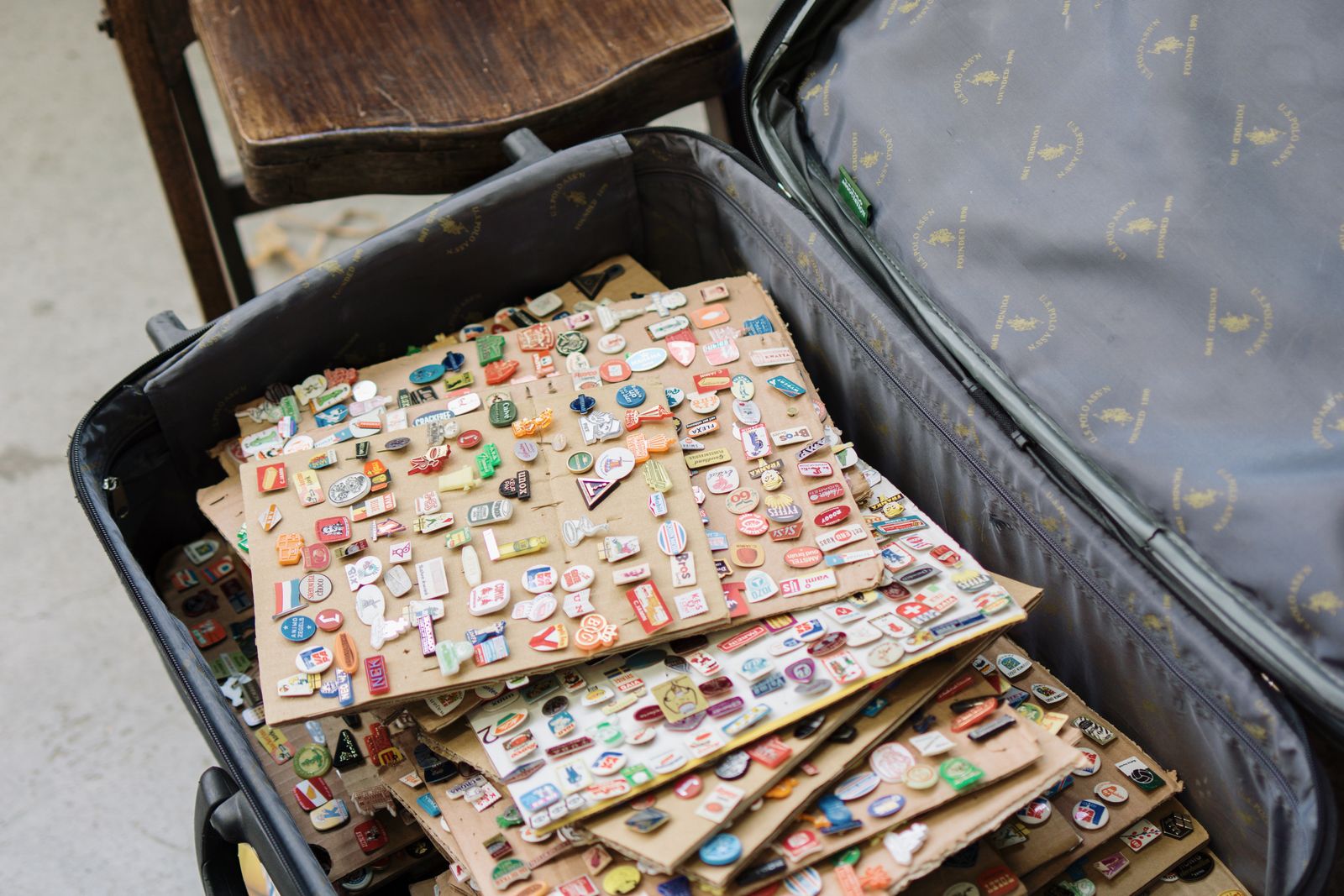
- Event and pop-up giveaways
If your goal involves recall and visibility, patches work because people keep and wear them. That makes them more than decoration.
Differentiation in the Marketplace
Patches help brands compete when products look similar. In apparel and promotional goods, small details influence buying decisions. A well-designed patch signals intention and quality.
We often see patches replace stickers and flyers because they feel useful. People keep them. They attach them. That choice extends brand life.
- Embroidered — Best For: Uniforms, jackets — Brand Signal: Craft and durability
- Woven — Best For: Detailed logos — Brand Signal: Precision and clarity
- PVC — Best For: Outdoor gear — Brand Signal: Modern and rugged
When differentiation matters, patches give you control over how your brand shows up. If you want to explore options, our free quote process at Custom Pins Now helps you test ideas quickly and accurately.
Design Strategies for Effective Custom Patches
Strong patch design balances durability, brand recognition, and the right construction method. When we align materials, visuals, and patch types, custom patches work as practical marketing assets that people actually use and keep.
Selecting the Right Materials
Material choice affects how a patch looks, feels, and performs over time. We recommend starting with the end use in mind, not just appearance. A patch for workwear needs different materials than one for giveaways or streetwear.
Common material options include:
- Twill fabric: Clean surface, ideal for detailed logos and text.
- Felt: Thicker and textured, often used for retro or varsity styles.
- PVC or rubber: Waterproof and flexible for outdoor or tactical use.
Thread quality also matters. Higher thread counts improve clarity and color consistency, especially for small designs. If your patches will face frequent washing or abrasion, durability should guide every material decision. We help clients weigh cost against lifespan before moving to production.
Incorporating Brand Elements
Effective patches reinforce brand recognition in seconds. We focus on clarity first, then style. A patch should communicate your brand even when viewed from a few feet away.
Prioritize these elements:
- Logo shape and scale: Simplify complex logos without losing identity.
- Brand colors: Match Pantone values closely to maintain consistency.
- Typography: Use bold, legible fonts that stitch cleanly.
Too much detail can blur during embroidery or weaving. We often advise removing gradients and thin lines that do not translate well to thread. If you already use branded merchandise, align patch design with those visuals to keep your brand system cohesive. Consistency builds trust and recall.
Choosing Suitable Patch Types
Different patch types serve different marketing goals. Selecting the right one improves both wearability and perceived value.
- Embroidered — Best Use Case: Uniforms, hats — Key Benefit: Durable and classic
- Woven — Best Use Case: Fine details — Key Benefit: Sharper text and lines
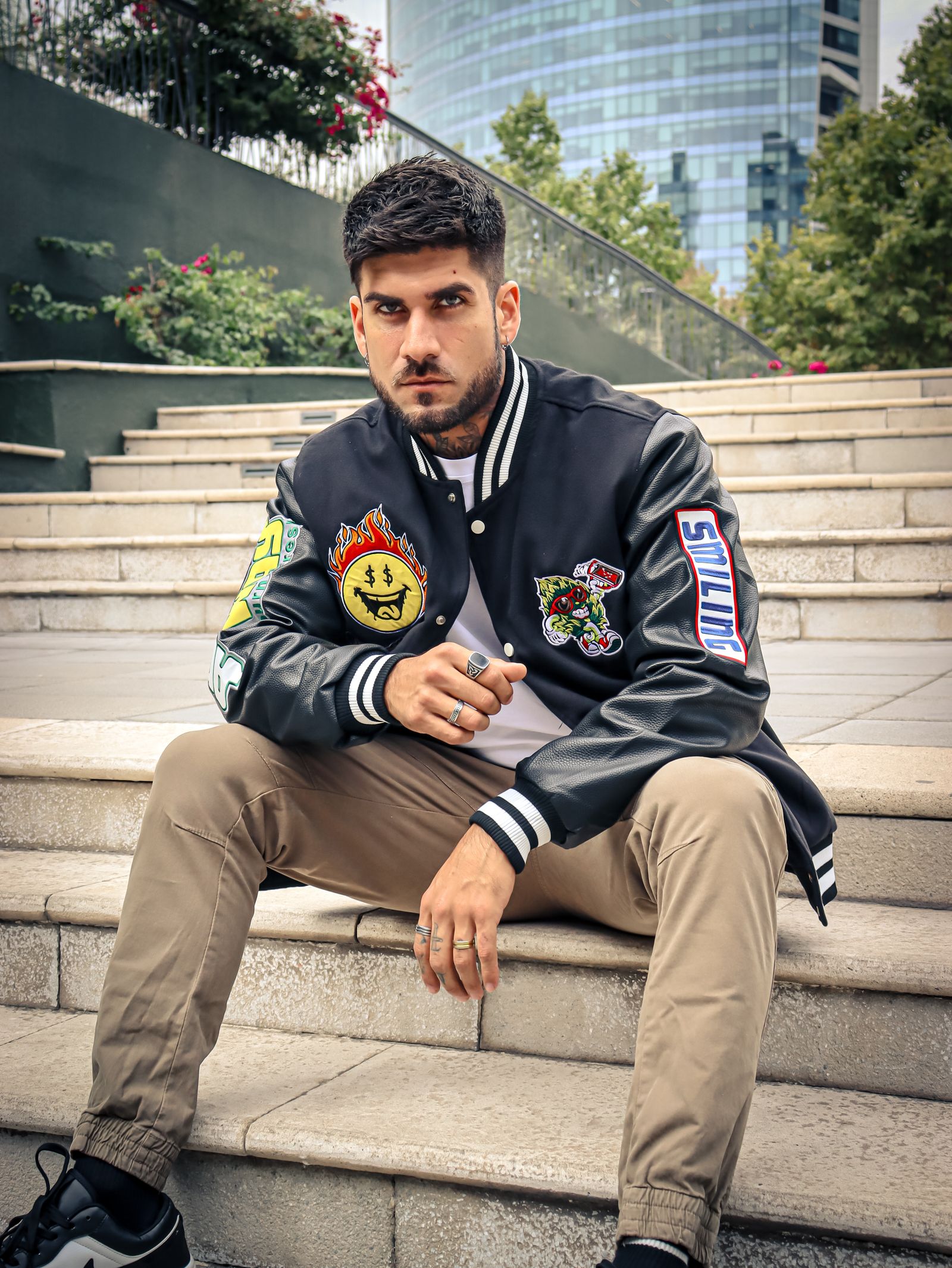
- Chenille — Best Use Case: Jackets, teams — Key Benefit: Bold texture
- PVC — Best Use Case: Outdoor gear — Key Benefit: Weather resistance
Attachment method matters too. Iron-on suits retail items, while sew-on works better for heavy garments. Hook-and-loop fits tactical or removable uses. If you want help matching patch type to your campaign or budget, we make it easy to request a fast, free quote and review options with our team.
Marketing Tactics Using Custom Patches
Custom patches give us a practical way to place our brand into real use cases. When we align patches with campaigns, partners, events, and loyalty programs, we create repeat exposure while keeping costs predictable.
Promotional Campaign Integration
We use custom patches as physical anchors for marketing campaigns. They work best when tied to a clear action, such as a product launch or seasonal promotion.
For example, we often recommend including patches with online orders during limited-time campaigns. Customers keep them, wear them, and share photos organically.
Effective campaign uses include:
- Limited-edition patches tied to a launch date
- QR codes stitched into patch borders for landing pages
- Patch giveaways paired with social media challenges
A small run can support a campaign without large upfront spend. If you want fast pricing, our free quote page shows options by size, backing, and quantity.
Collaborations and Partnerships
Collaborations expand reach when both brands share the patch design and distribution. We see strong results when partners already serve overlapping audiences.
We suggest co-branded patches for influencer drops, retail partnerships, or nonprofit collaborations. Each partner distributes the same patch through their own channels.
Key elements to plan together:
- Shared logo placement rules
- Quantity splits by channel
- Timelines for release and promotion
This approach keeps branding consistent and measurable. We help teams finalize specs quickly so campaigns stay on schedule.
Event and Sponsorship Activation
Events create high-intent moments where patches outperform flyers or stickers. Attendees value items they can attach to jackets, hats, or bags.
We often recommend patches for:
- Trade show booth giveaways
- Corporate events and internal meetings
- Sponsored teams or local events
A simple table helps plan distribution:
- Trade show — Patch Use: Booth giveaway — Goal: Brand recall
- Conference — Patch Use: Attendee pack-in — Goal: Long-term wear
- Sponsorship — Patch Use: Uniform patch — Goal: Visibility
Patches keep your brand visible long after the event ends.
Loyalty and Merchandising Programs
Patches work well as rewards because they feel collectible. We help brands build tiered systems that encourage repeat engagement.
Common structures include:
- Purchase milestones (one patch per order level)
- Membership tiers with exclusive designs
- Employee recognition patches tied to tenure or performance
Merchandising also benefits. Adding a patch option to apparel increases perceived value without reworking the core product.
If you want to test a loyalty idea or merch add-on, we can price small runs fast. Our quote process helps you validate demand before scaling.