0

Key Takeaways
- Few Cost Drivers: Size, shape, stitch count, and thread colors determine most of what a patch costs.
- Expect a Minimum: Many manufacturers set minimum orders around 25 to 50 pieces, so plan quantity early.
- Clear Art Saves Time: Clean artwork and practical design choices prevent production issues and keep timelines predictable.
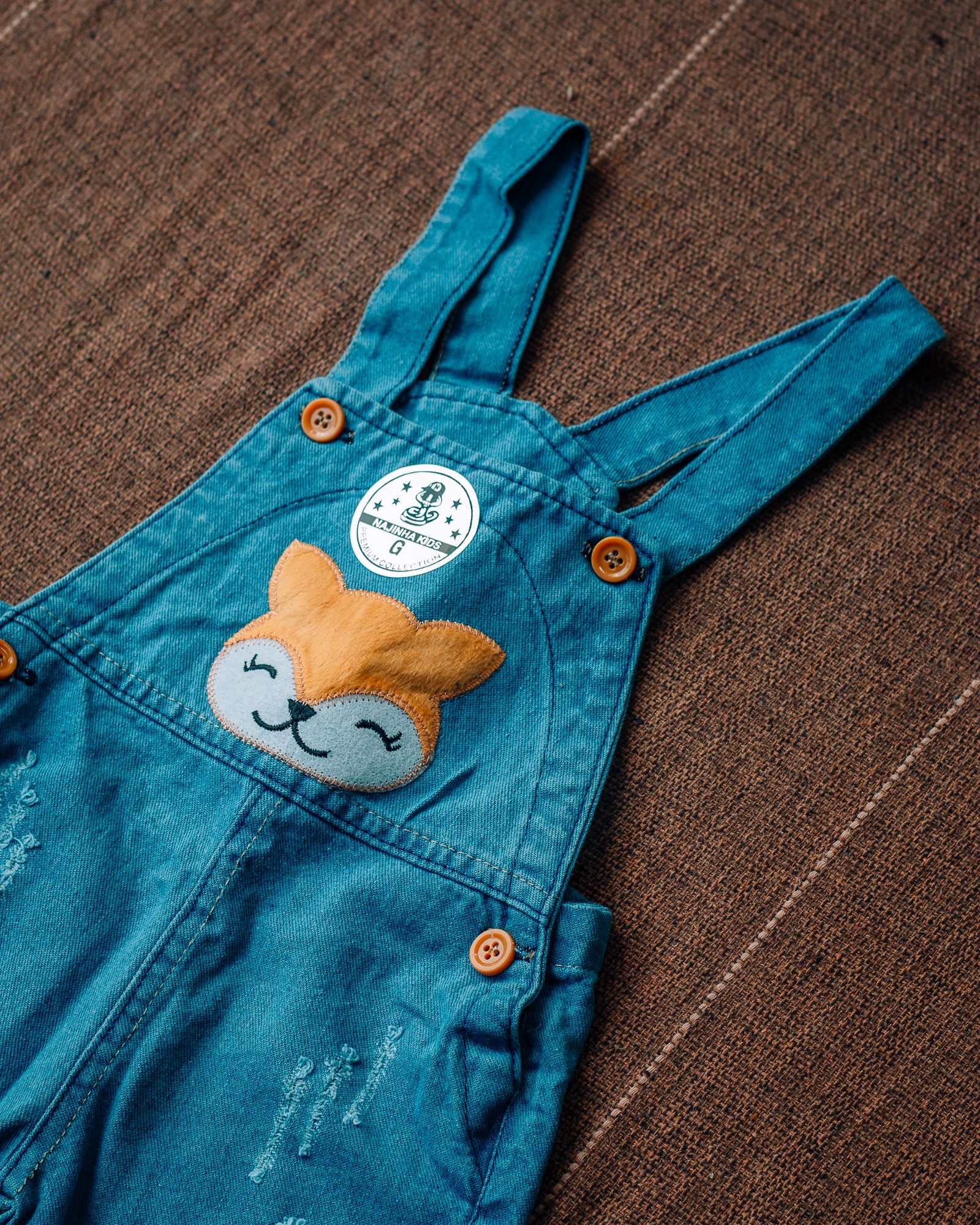
Custom embroidered patches give you a durable, professional way to display a logo, message, or identity on almost any fabric. They combine stitched texture, long-lasting color, and flexible application options, making them one of the most reliable custom branding tools available. You see them on uniforms, jackets, hats, bags, and promotional gear because they hold up under regular wear and repeated washing.
We created this guide to help you make smart decisions at every stage, whether you want a simple badge or a detailed design. You’ll learn how patch types differ, how size, shape, stitch count, and thread colors affect cost, and why many manufacturers set minimum orders around 25–50 pieces. You’ll also see how clear artwork and practical design choices reduce production issues and keep timelines predictable.
At Custom Pins Now, we work with brands, teams, and organizations that want custom patches done right the first time. As you move through design, production, and care basics, you’ll gain the confidence to request a fast, accurate quote and turn your idea into a finished patch that performs as expected.
Types of Custom Embroidered Patches
Custom embroidered patches differ mainly by how they attach and how people use them. The right choice affects durability, flexibility, and how often someone plans to change or remove the patch.
Traditional Sew-On Patches
Traditional sew-on patches attach directly to fabric with needle and thread. They deliver the highest long-term durability because stitching holds the patch in place through repeated washing and heavy wear.
We often recommend sew-on patches for uniforms, workwear, jackets, and bags that see daily use. The stitched edge prevents lifting, curling, or adhesive failure over time. This option also works well on heat-sensitive fabrics where irons cause damage.
Key advantages include:
- Maximum lifespan on thick or frequently washed garments
- Clean, professional appearance with tight edge stitching
- Compatibility with any fabric, including leather and nylon
Sew-on patches require more effort to apply, but many customers prefer that tradeoff for reliability. If you want patches that stay put for years, this option delivers consistent results.
Iron-On Patches
Iron-on patches use a heat-activated adhesive applied to the back. With proper heat and pressure, the adhesive bonds firmly to cotton, denim, and similar fabrics.
This option works well for DIY projects, fashion pieces, and short-run promotions. Application takes minutes and does not require sewing skills. Many customers choose iron-on patches for events or merchandise that needs quick turnaround.
Important points to know:
- Heat application usually takes 15–30 seconds per patch
- Not ideal for stretch fabrics or waterproof materials
- Adhesive may weaken after repeated hot washes
Some customers reinforce iron-on patches with a few stitches for added security. If speed and ease matter most, iron-on patches offer a practical solution.
Velcro Backed Patches
Velcro backed patches use a hook-and-loop system that allows easy removal and swapping. One side attaches to the patch, while the loop panel stays sewn or adhered to the garment.
We see strong demand for Velcro patches in tactical gear, uniforms, airsoft teams, and morale patches. Users can change patches without damaging clothing, which adds flexibility and long-term value.
Common benefits include:
- Fast attachment and removal
- Interchangeable designs without sewing
- Ideal for regulated uniforms that require updates
Velcro patches add slight thickness and cost, but the convenience often outweighs both. If you want flexibility across multiple designs, this backing delivers practical control.
If you’re deciding which patch type fits your project, we can help. Get a free quote from Custom Pins Now and see samples tailored to your exact use case.
Designing Custom Embroidered Patches
Strong patch designs start with clear dimensions, controlled color choices, and artwork that stitches cleanly. When we plan these elements upfront, we reduce revisions, control costs, and deliver patches that read well at a glance.
Choosing Size and Shape
Size determines legibility, stitch density, and cost. We recommend finalizing placement first-hat, sleeve, chest, or bag-then matching the patch size to that space. Small patches limit detail, while oversized patches increase thread count and price.
Common sizes and uses include:
- 2–3 inches — Hats, beanies, small bags
- 3–4 inches — Sleeves, uniforms
- 4–5 inches — Jackets, backpacks
Shape affects both appearance and durability. Circles and shields stitch cleanly and resist edge wear. Complex shapes work, but they may require a merrowed or heat-cut border to maintain clean edges. If you want guidance, we review placement photos during our free quote process and suggest sizes that fit your use case.
Selecting Colors and Threads
Thread color choices control contrast and readability. We advise limiting designs to 3–6 thread colors to keep details sharp and production efficient. High-contrast combinations improve visibility from a distance, especially on uniforms and promotional gear.
Thread types matter. Polyester thread resists fading and moisture, making it ideal for outdoor use. Rayon thread offers a softer sheen and works well for fashion items. Metallic threads add accents but increase stitch time and cost, so we use them sparingly.
Helpful color tips:
- Match thread colors to Pantone (PMS) values when brand accuracy matters.
- Avoid subtle gradients; embroidery renders solid fills best.
- Use lighter thread on dark fabric to maintain clarity.
We handle color matching during proofing so you can approve before production starts.
Personalizing Artwork and Logos
Artwork must translate into stitches. Clean vector files produce the best results, but we can work from high-resolution images if needed. We simplify fine lines, adjust spacing, and reinforce text so it remains readable after stitching.
Logos with small text often benefit from:
- Text height of at least 0.2 inches
- Bold fonts over thin scripts
- Reduced wording with clear icons
Personal touches-names, dates, unit numbers-add value and improve retention for promotional campaigns. Variable text works well for teams and events without changing the base design.
If you want help preparing artwork or adapting an existing logo, we can review files and provide a fast quote with clear recommendations.
Production Process for Embroidered Patches
We produce embroidered patches through a controlled workflow that protects detail, color accuracy, and durability. The process hinges on precise digitizing, calibrated machine settings, and documented quality checks that reduce rework and speed approvals.
Digitizing Designs
We start by converting your artwork into an embroidery file that machines can read. Our digitizers assign stitch types, directions, and densities to match the fabric and patch size.
Key decisions include:
- File formats: DST or EMB for machine compatibility
- Stitch density: Typically 0.40–0.45 mm to balance coverage and flexibility
- Underlay stitches: Edge run or zigzag to prevent puckering
- Color sequencing: Optimized to reduce thread changes and trims
We also adjust details based on scale. Small text may require satin stitches or slight line thickening to stay legible. Before production, we share a proof so you can approve spacing, borders, and colors. Want to move fast? Our team can prep files for quote-ready approval.
Embroidery Machine Techniques
We run multi-head commercial machines to ensure consistent output across quantities. Hoop tension, needle size, and thread type all affect results, so we set them per design.
Common setups we use:
- Needles: Size 75/11 or 80/12 for clean penetration
- Thread: 100% polyester for colorfastness and abrasion resistance
- Speed: Reduced RPM for dense fills to avoid thread breaks
- Borders: Merrowed edges for classic looks or laser-cut for clean lines
We stitch on twill or felt backings, then add finishing options like iron-on adhesive, Velcro, or sew-on. If you need samples for approval, we can produce a pre-run patch before full production.
Quality Control Measures
We inspect patches at multiple points to catch issues early. Our checks focus on durability, accuracy, and finish.
Inspection checklist
- Stitch consistency and trim accuracy
- Color match against approved thread codes
- Border integrity and backing adhesion
- Size tolerance within ±1–2 mm
We also perform pull tests on borders and spot-check adhesive bonding. Defects get flagged and corrected before packing. This approach keeps rejection rates low and timelines predictable. If you’re comparing options, request a free quote to review materials, timelines, and QC standards upfront.
Applications and Care Tips
Custom embroidered patches serve clear, practical roles across workwear, apparel, and branded accessories. When you apply them correctly and maintain them with care, they last longer, look sharper, and represent your brand more consistently.
Uniforms and Teamwear
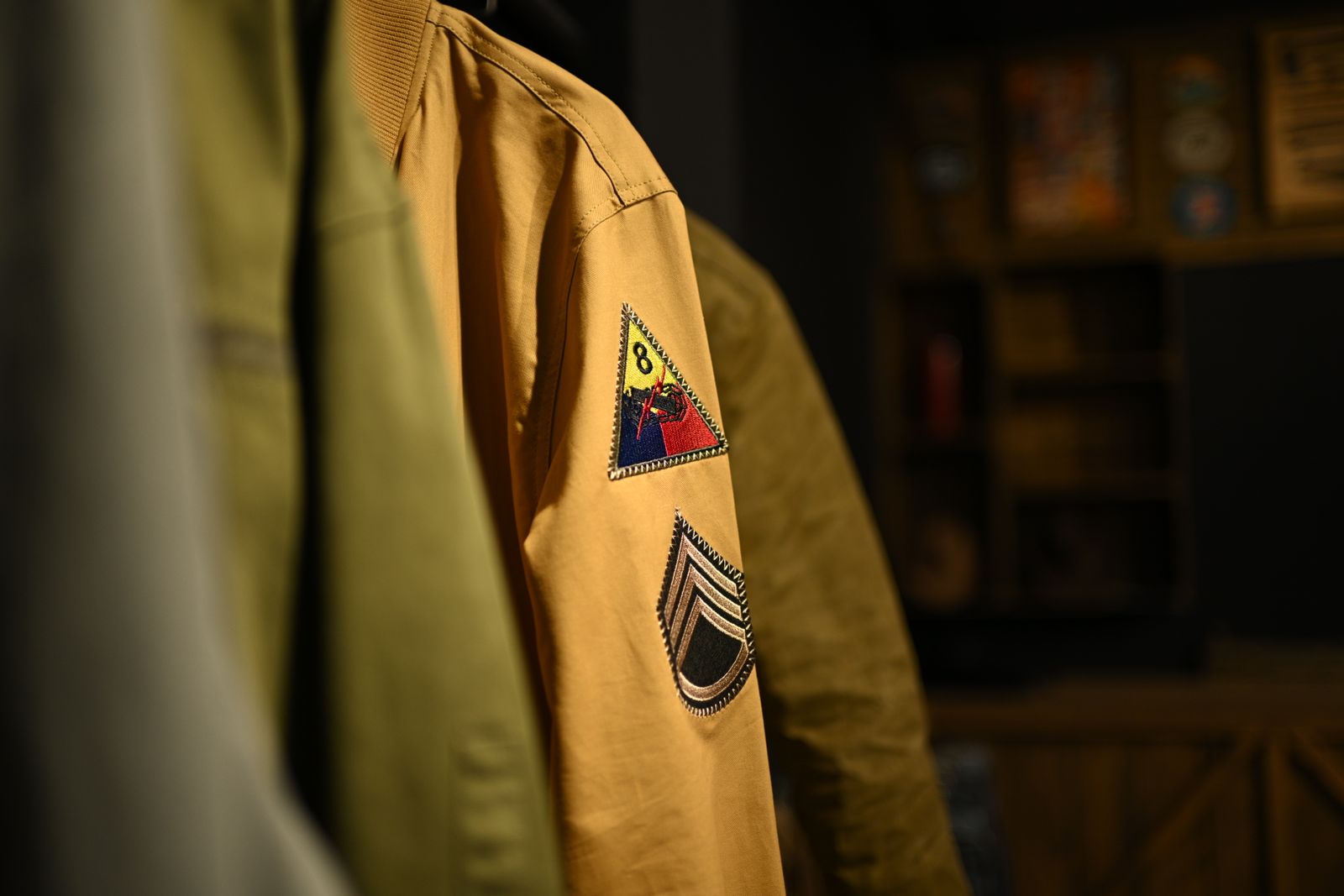
Organizations use embroidered patches on uniforms to identify roles, reinforce branding, and meet appearance standards. We often see them on work shirts, jackets, safety vests, and hats for teams that need durability and visibility.
Attachment choice matters. Sew-on patches work best for industrial laundering and daily wear, while heat-applied backing suits lighter-duty uniforms.
Common uniform uses include:
- Company logos on chest or sleeves
- Name and role identifiers
- Department, rank, or certification markers
Thread density and border type affect longevity. Merrowed edges resist fraying, and polyester thread holds color through repeated washes. If you manage uniforms at scale, we can match patch specs to your garment type and washing cycle before production. That planning reduces replacements and keeps teams looking consistent.
Fashion and Accessories
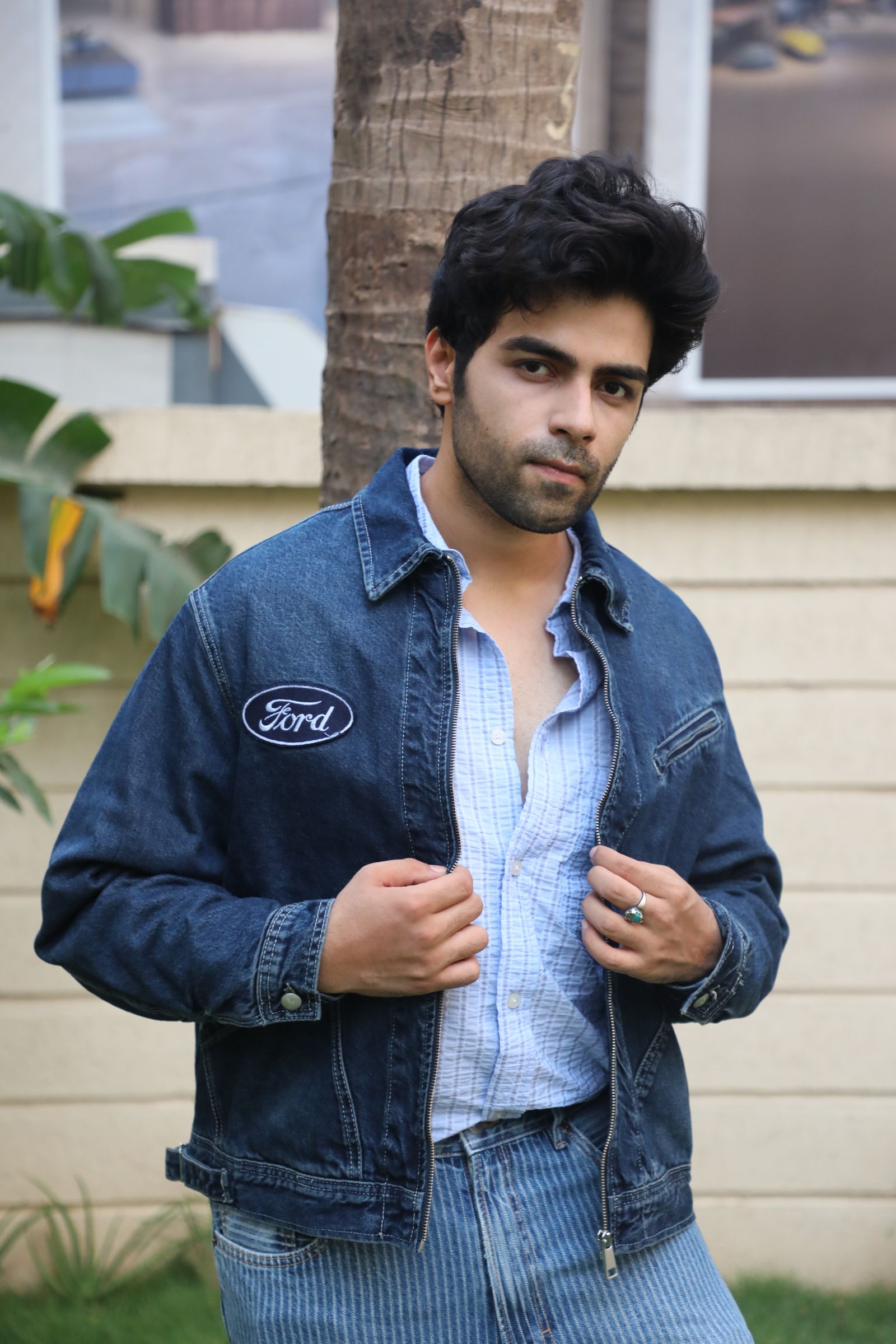
Patches also play a strong role in retail and promotional apparel. Brands use them on denim jackets, backpacks, caps, and tote bags to add texture without printing directly on fabric.
Design flexibility drives this use. You can layer stitches, adjust thread sheen, or use woven details for fine text. Iron-on backings allow fast application for small runs, pop-up events, or influencer kits.
Fashion-focused patches often emphasize:
- Bold color contrast
- Clean borders for resale quality
- Smaller sizes to avoid fabric distortion
We help brands prototype quickly, then scale once designs perform. If you want to test a look before committing to volume, request a free quote and sample guidance through Custom Pins Now.
Proper Maintenance
Good care extends patch life and preserves stitch detail. Most embroidered patches handle regular wear, but cleaning method matters.
Follow these care basics:
- Turn garments inside out before washing
- Use cold water and mild detergent
- Avoid high heat in dryers; air dry when possible
For iron-on patches, excessive heat can weaken adhesive over time. Sew-on patches tolerate washing better but still benefit from gentle cycles.
- Sew-on — Cold wash, low tumble
- Iron-on — Hand wash or delicate
- Velcro-backed — Remove before washing
If you need patches that withstand frequent laundering, tell us how the item gets cleaned. We’ll recommend materials and backing that fit real-world use, not assumptions.