0



Key Takeaways
- Timeless Appeal: Vintage designs offer an emotional connection that modern, "clean" logos sometimes lack.
- Sustainable Style: Patches are the ultimate tool for the "upcycling" movement, giving new life to old garments.
- Texture Matters: Using traditional methods like chenille or merrowed borders is the fastest way to make a new patch feel authentically "retro."
Vintage patches are back because you want personalization that feels real, durable, and connected to familiar styles. Retro patch designs are making a comeback because they combine nostalgia, hands-on customization, and long-lasting quality that fast fashion cannot match. We see brands and creators choose embroidered and iron-on patches to add meaning to jackets, hats, and bags without replacing what already works.
You notice classic fonts, bold shapes, and traditional embroidery techniques like chain and chenille showing up again. These details echo past decades while fitting cleanly into modern fashion and branded merchandise. We watch this shift grow as people look for flexible, eco-aware ways to refresh existing items instead of buying new ones.
You can apply vintage patches today to promote a brand, mark an event, or build a cohesive look across products. We help turn those ideas into custom patches that fit your goals and budget at Custom Pins Now. If you want designs that feel timeless and intentional, this trend gives you a practical place to start.
The Resurgence of Vintage Patches
Vintage patches have reentered mainstream fashion through clear cultural signals, strong adoption by modern brands, and active online communities.
Cultural Influences Driving the Comeback
Nostalgia plays a practical role in today’s design choices. People recognize symbols from the 1970s, 1990s, and early streetwear eras, and they reuse them to signal identity rather than trend-chasing.
Key cultural drivers include:
- Heritage branding: Values history, craft, and an "established" look.
- Sustainability awareness: Refreshing old jackets and bags instead of buying new ones.
- Individual expression: Moving away from mass-produced, identical fashion.
Popularity in Modern Fashion Trends
Vintage patches now appear across streetwear, festival wear, and limited-run fashion drops. Brands use them to add texture and story without redesigning an entire garment.
Common styles gaining traction:
- Embroidered patches: Featuring muted or retro "dusty" color palettes.
- Chenille patches: Inspired by mid-century varsity and collegiate designs.
- Chain-stitch details: Referencing vintage workwear and western wear techniques.
Designers place patches on denim jackets, canvas totes, and caps because these items support repeat wear. For businesses, this makes patches a cost-effective promotional product with long-term visibility.
Social Media and Community Engagement
Social platforms accelerate the comeback by showing how real people style and collect patches. Short videos and photos highlight placement ideas and "upcycling" transformations. Online communities for bands, gamers, and outdoor enthusiasts frequently create limited-edition designs that drive demand for fast, reliable custom production.
Iconic Retro Patch Designs
Retro patches stand out because they rely on familiar visuals and production methods that age well. When you choose the right combination, you get designs that feel authentic and wearable.
Classic Motifs and Themes
Iconic retro patches often pull from specific decades. These eras produced visual styles that translate cleanly to embroidery and chenille today.
Era-Specific Elements:
- 60s–70s: Florals, peace symbols, racing stripes, and "psychedelic" typography.
- 80s: Bold block typography, neon outlines, and arcade/tech graphics.
- 90s: Cartoon icons, skate culture symbols, and "grunge" band-style logos.
Many brands now favor oversized statement patches for hats and backpacks. These designs work well because they stay legible at a distance and hold detail under heavy stitching.
Regional and Brand-Specific Styles
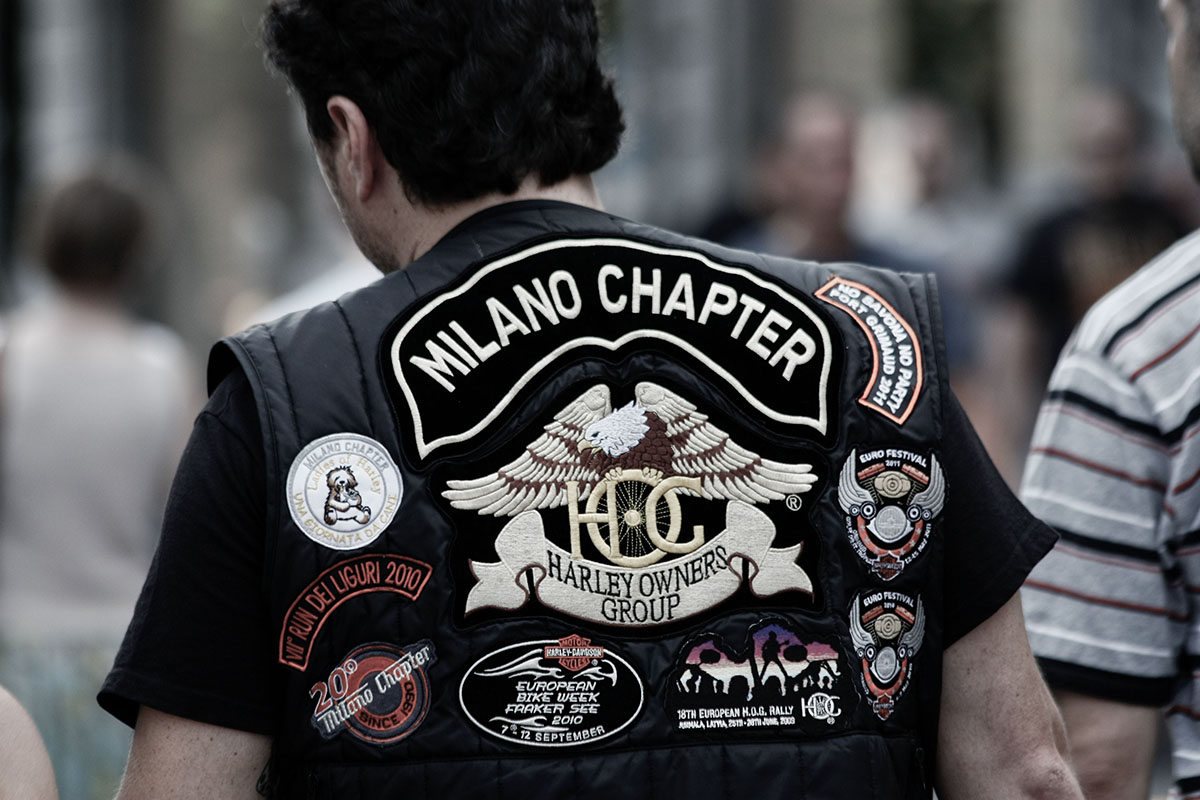
Regional identity plays a major role in retro patch design. American styles often lean into varsity lettering and motorcycle club layouts. European designs tend to use tighter layouts, heraldic crests, and heritage-inspired serif typography.
Industry-Specific Retro Looks:
- Travel and Outdoor: National park badges, route shields, and mountain silhouettes.
- Music and Lifestyle: Tour-style graphics and distressed, "washed" lettering.
- Corporate Throwback: Recreating original logos for anniversaries or heritage collections.
Materials and Production Techniques
Materials define whether a retro patch looks authentic.
- Merrowed Borders: Thick, wrapped edges instead of thin laser-cut ones.
- Muted Palettes: Using "antique" thread colors rather than high-gloss, neon ones.
- Chenille vs. Embroidery: Chenille works best for large letters; embroidery suits detailed badges.
Incorporating Vintage Patches Today
Vintage patches fit easily into modern wardrobes when you balance nostalgia with clean design. Practical styling and careful care let you use retro elements effectively.
Styling Tips for Apparel and Accessories
We see the strongest results when vintage patches anchor one clear focal point. Jackets and denim vests work best because they offer stable fabric.
- Placement: Use the chest or shoulder for statement patches, and sleeves or hems for subtle accents.
- Color Balance: Retro designs pair best with neutral garments (navy, olive, tan) to let the patch stand out.
DIY Approaches and Customization
DIY patch use continues to grow. While sewing is the most "authentic" vintage method, iron-on backings provide a faster modern alternative.
- Fabric Choice: Heavy cotton and denim hold stitches and heat-seals better than thin, stretchy synthetic blends.
- Customization: For businesses, custom production at scale ensures all patches have the same "vintage" feel across a whole product line.
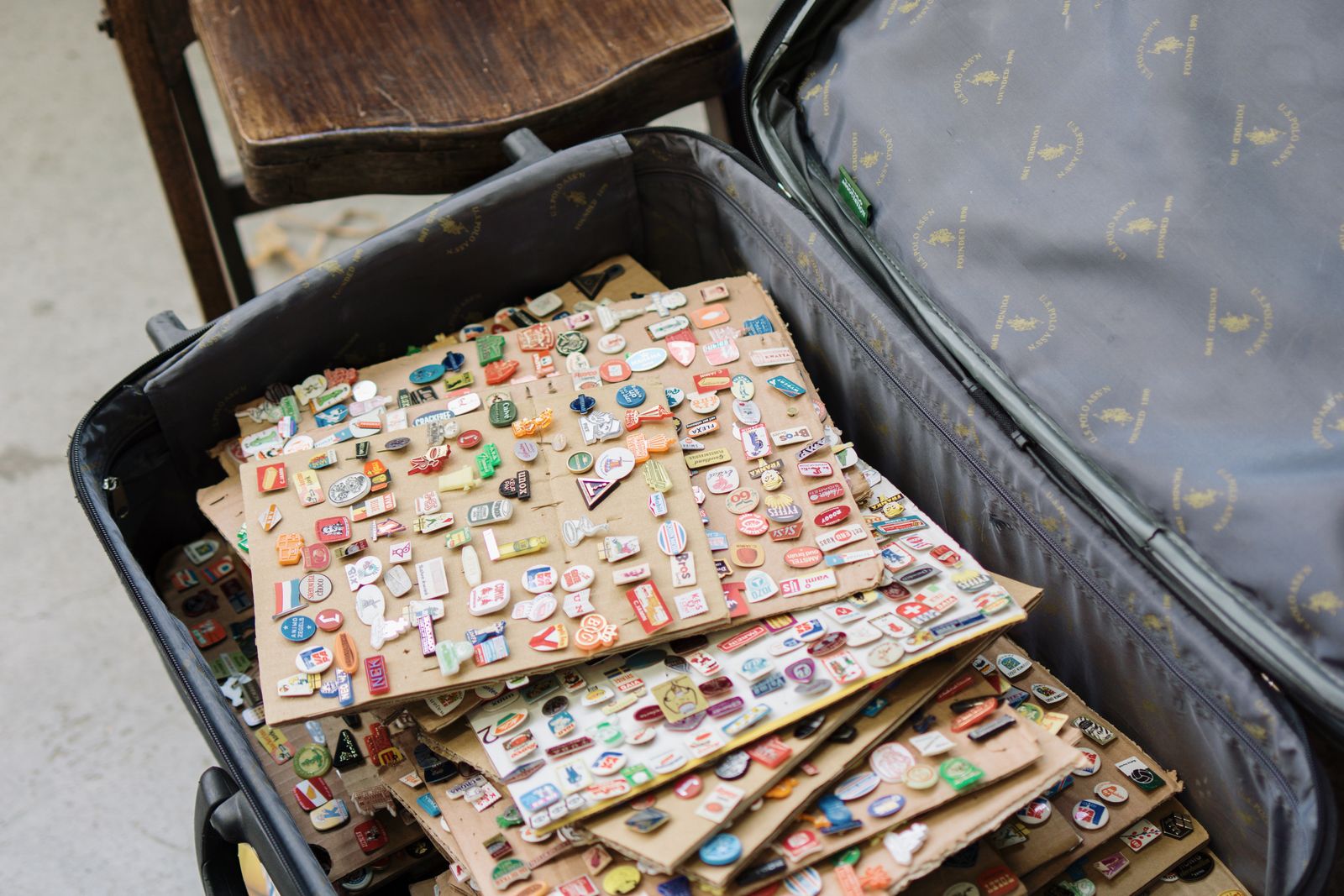
Collecting and Preserving Authentic Patches
Authentic vintage patches appeal to collectors who value history. Proper care protects long-term value:
- Storage: Store flat and dry to prevent warping or mildew.
- Light: Avoid direct sunlight to reduce color fading over time.
- Replicas: Many collectors commission custom reproductions for daily wear to keep their rare original pieces intact.