0

Key Takeaways
- Commit to the Cap: Never reissue a limited run design; it destroys collector trust and secondary market value.
- Packaging is Perception: A custom backer card can double the perceived value of a $5 patch for a collector.
- Build the Series: Collectability thrives on continuity. Plan your next three drops as a cohesive set to ensure repeat purchases.
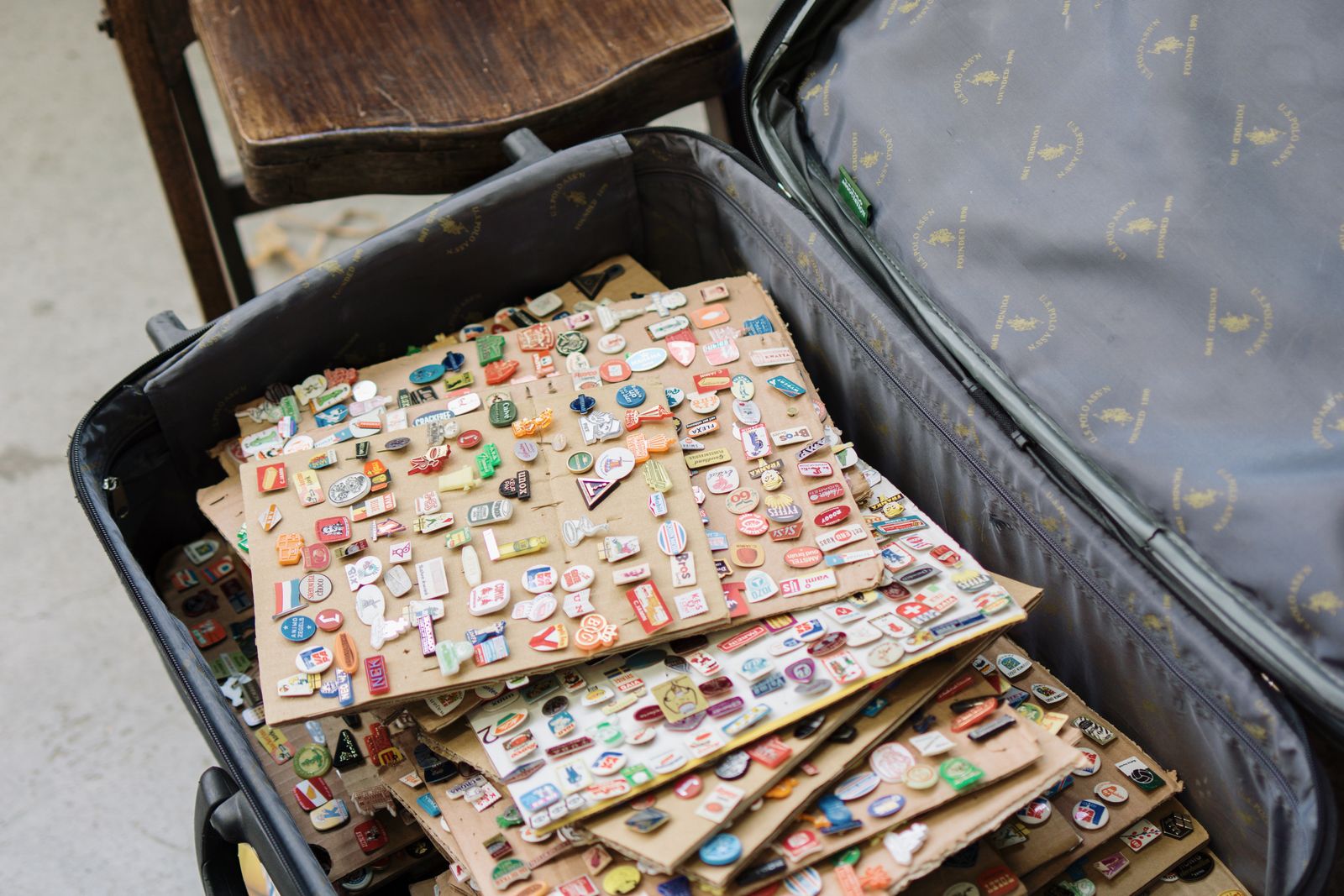
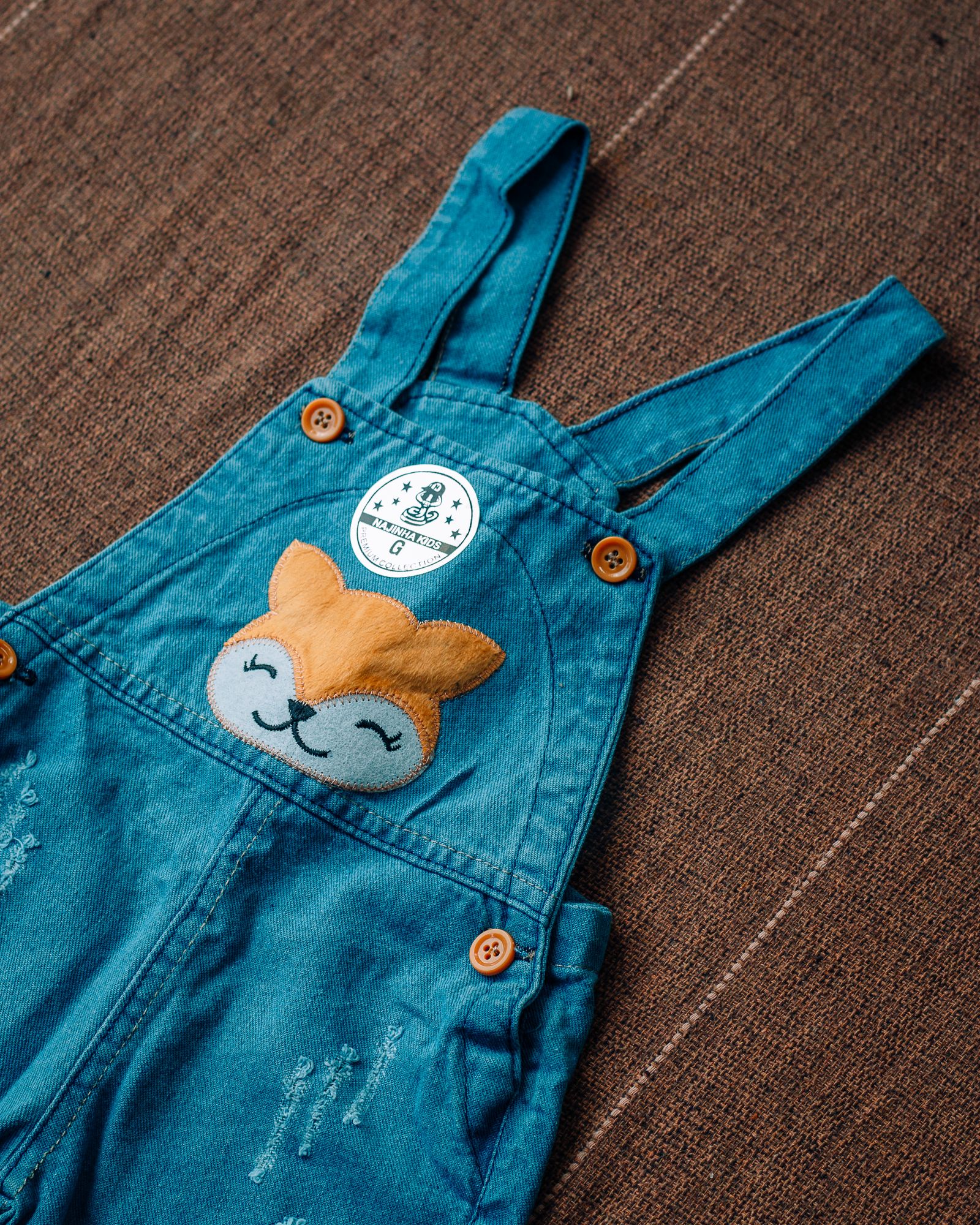
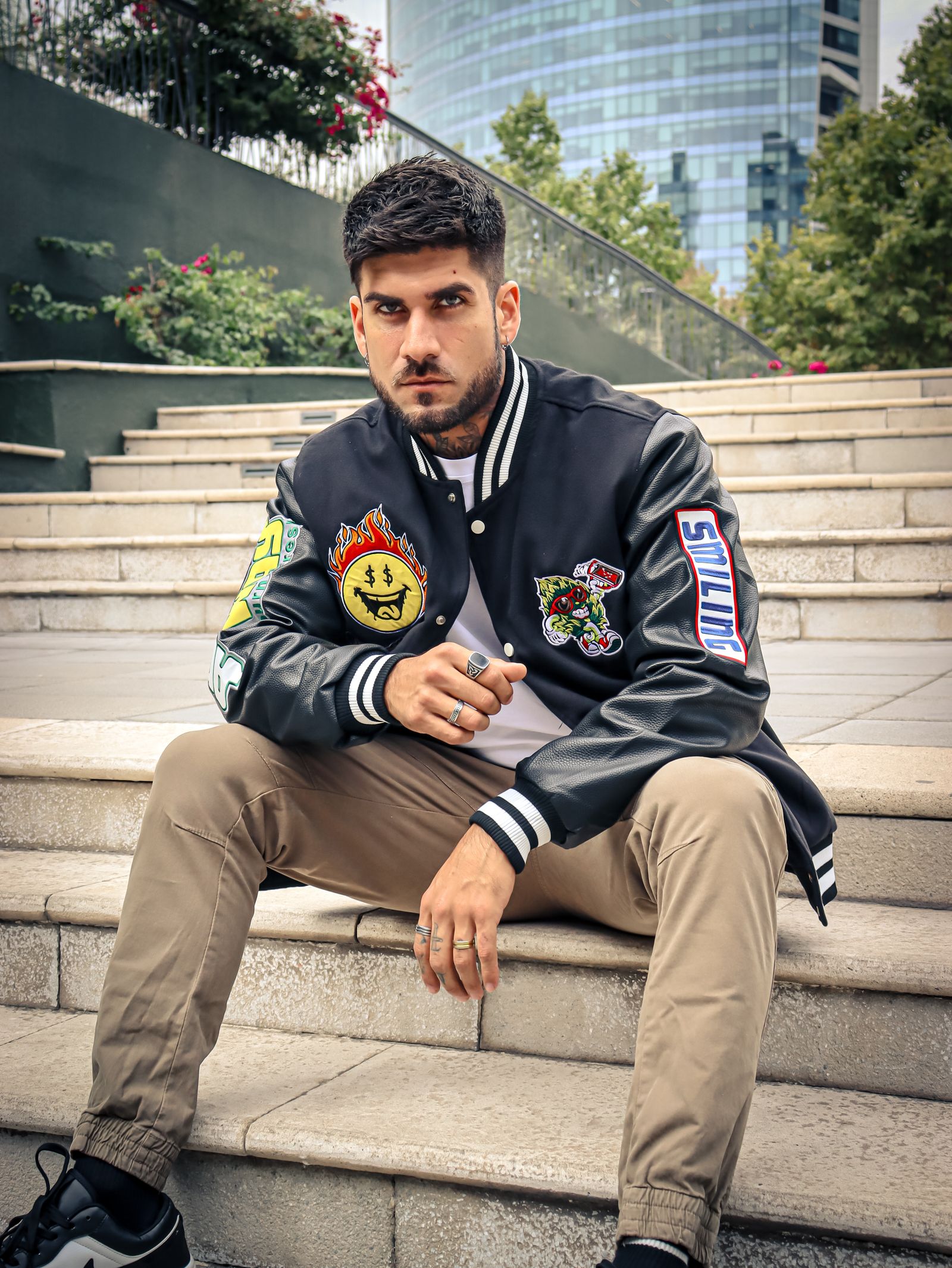
Limited edition patches work because scarcity and story increase demand. They create buzz and collectability when we limit quantities, control access, and tie each design to a clear moment, event, or milestone. This approach turns a simple patch into something people want to secure before it’s gone.
We see the strongest response when brands connect patches to exclusivity, like early access, VIP groups, seasonal drops, or event-only releases. Collectible culture rewards items that feel intentional, not mass-produced, and limited runs reinforce value without inflated claims.
At Custom Pins Now, we help brands plan designs that spark interest fast and hold long-term appeal. We focus on smart release strategies, clear timelines, and production choices that support resale and loyalty, while making it easy to move from idea to a fast, free custom quote.
What Makes Limited Edition Patches Desirable
Limited edition patches gain value when scarcity feels real, design feels intentional, and each release connects to a clear purpose. When we align exclusivity with thoughtful production and a strong story, people collect, trade, and keep these patches long after an event ends.
Psychology of Scarcity and Exclusivity
Scarcity works because people act faster when supply stays fixed. When we cap a run at a defined quantity or limit access to VIPs, early registrants, or event attendees, demand rises without heavy promotion.
Exclusivity also signals status. A patch earned at a trade show booth, product launch, or anniversary event carries proof of participation. That context matters.
Common scarcity levers we use include:
- Numbered runs (for example, 1–250)
- Time-bound releases tied to specific dates or milestones
- Access controls, such as staff-only or invite-only distribution
Key Factors for Collectability
Collectors look for consistency, quality, and continuity. A single patch can succeed, but a series drives repeat engagement and brand recall.
We see stronger results when patches share:
- A standard size or shape across releases.
- A recurring theme, such as seasonal drops or annual events.
- High production quality, including clean embroidery and durable backing.
Why structure matters for collectors:
- One-Off Patch: Short-term interest, single impression, limited resale value.
- Patch Series: Ongoing engagement, multiple touchpoints, higher collector appeal.
Role of Design and Storytelling
Design turns a patch into a keepsake; storytelling gives it context. Without both, scarcity alone feels hollow. Strong designs use clear symbols, limited colors, and readable text at small sizes.
Storytelling answers practical questions:
- Why does this patch exist?
- What moment does it represent?
- Why should someone keep it?
Examples include anniversary editions, location-specific designs, or artist collaborations. Each adds meaning without extra cost.
Strategies to Build Buzz for Limited Edition Patches
Strong demand starts before production begins. Clear timelines, visible scarcity, and shared ownership turn a simple patch into a collectible people want to secure early.
Effective Pre-Launch Marketing Tactics
We recommend defining the edition size and release date at the start. When buyers know only 100, 250, or 500 patches will exist, they act faster.
Effective tactics include:
- Email countdowns with a firm launch date.
- Early access for past customers or loyalty members.
- Waitlists that signal demand before production.
Leveraging Social Media and Influencers
Social platforms help show the patch, not just describe it. Close-ups of stitching or borders highlight quality and justify collectability. Influencer partnerships work best when the collaborator already fits your audience.
Focus on:
- Instagram and TikTok teasers under 15 seconds.
- Creator previews before public release.
- Simple calls to action like “Join the drop list.”
Community Engagement and Collaborations
Collectors want to feel included. We often advise sharing early sketches or sample photos with your community. Partnerships expand reach; when two brands or artists share a limited run, the patch gains built-in demand from both audiences.
Collaborations should include:
- A shared story or theme.
- Co-branded packaging.
- A fixed, publicly stated quantity.
Maximizing Collectability and Value
Collectors respond to clarity and presentation. We increase long-term value by controlling quantity and packaging each release with intent.
Numbering and Certificates of Authenticity
Numbered patches set clear limits. We recommend marking each patch with a visible fraction, such as 25/100, so buyers know exactly how many exist.
Certificates of Authenticity (COAs) should include:
- Edition size.
- Design name and release date.
- Signature or official mark from your brand.
Special Packaging and Presentation
Packaging shapes first impressions. A limited patch should never arrive loose in an envelope.
Successful packaging results from:
- Backer cards with the patch story or inspiration.
- Sealed poly bags to protect condition.
- Rigid boxes for premium releases.
Announcing Release Windows
Fixed release windows create urgency. We advise setting a clear start and end time, then sticking to it.
- Timed drops: Available for 24–72 hours.
- Quantity-based drops: Available until sold out.
- Access-based drops: Early access for members or event attendees.