0



Key Takeaways
- Clarity is Critical: Simple designs with bold lines and large text (above 4mm) result in the highest quality patches.
- Backing Matters: Choose your attachment method based on how often the garment is washed and the intensity of the work environment.
- Texture vs. Detail: Choose embroidery for a classic, raised feel, or sublimation/weaving for complex, high-detail logos.
You see custom patches everywhere, but the process behind each stitch stays mostly hidden. At Custom Pins Now, we turn simple ideas into durable patches that represent teams, brands, and organizations with clarity and purpose. You get more than decoration; you get a product built to last and perform.
We make custom patches by converting your artwork into a digitized stitch file, selecting the right fabric and thread, and using precision embroidery machines to sew, cut, and finish each patch for its intended use. You stay involved as design choices, materials, and production methods shape the final look and feel.
As you move through this guide, you’ll see how design decisions affect cost and detail, why specific materials matter, how manufacturing ensures consistency, and where custom patches deliver real value. When you’re ready to turn an idea into a finished patch, we make it easy to request a fast, accurate quote.
Designing Custom Patches
Strong patch design balances clarity, durability, and production limits. We guide you from idea to approval with practical decisions that reduce revisions and speed up quoting.
Concept Development
We start by defining the patch’s purpose and placement. A shoulder patch for uniforms needs high contrast at a distance, while a hat patch must read at two feet. Size, shape, and edge finish matter early because they affect stitch count and cost.
Key Questions to Lock Direction:
- Who wears it and where? (Uniforms, hats, or bags?)
- What message must read first? (Logo, name, or unit?)
- What production method fits the use? (Embroidered for texture, Woven for detail, or PVC for weather resistance?)
Color choices stay tight. Most embroidered patches perform best with 6–9 thread colors to keep details crisp and pricing predictable.
Artwork Creation
Clean artwork saves time. We build vector files with defined lines and closed shapes so stitches translate accurately. Fine lines under 0.4 mm risk filling in, so we adjust weights before digitizing.
Text needs extra care. Sans-serif fonts stitch more cleanly, and letter height should stay above 4 mm for legibility. We simplify gradients into solid color steps to ensure the embroidery machine can replicate the design faithfully.
Digital Mockups
We produce digital mockups that show scale, colors, and stitch direction before sampling. You see how borders finish, how fills behave, and where density changes support durability.
What You Review in a Mockup:
- Size: Final dimensions in inches or mm.
- Colors: Specific thread count and matches.
- Stitching: Fill type (flat vs. 3D) and density.
- Backing: Iron-on, sew-on, or Velcro options.
Materials and Tools Used
Custom patches rely on a small set of materials that control durability, appearance, and cost. Fabric choice sets the base, and thread defines detail.
Base Fabrics
The base fabric is the foundation. Twill is the standard for embroidered patches because it resists fraying and holds tight stitching. Felt offers a softer edge for vintage looks, while Canvas handles outdoor gear and high abrasion.
Fabric Selection Guide:
- Twill: Best for uniforms and workwear; provides clean edges and a strong hold.
- Felt: Best for retro or simple designs; offers a soft feel and easy cutting.
- Canvas: Best for outdoor gear; provides high abrasion resistance.
Thread Selection
Thread determines sharpness. We use polyester thread for most projects because it resists fading, moisture, and bleach. 40-weight thread balances clarity and coverage, while 60-weight thread is reserved for very small text and fine lines.
Attachment Methods
How you apply a patch matters as much as how it looks. Each backing serves a different purpose:
- Sew-on: The gold standard for durability; best for heavy wear and industrial washing.
- Iron-on (Heat Seal): Fast and convenient; great for hats, bags, and retail items.
- Velcro®: The standard for tactical gear and uniforms where patches are frequently swapped.
- Adhesive: Best for short-term events or "temporary" branding.
Manufacturing Process of Custom Patches
Custom patches move from digital files to finished products through controlled, repeatable steps.
Embroidery Techniques
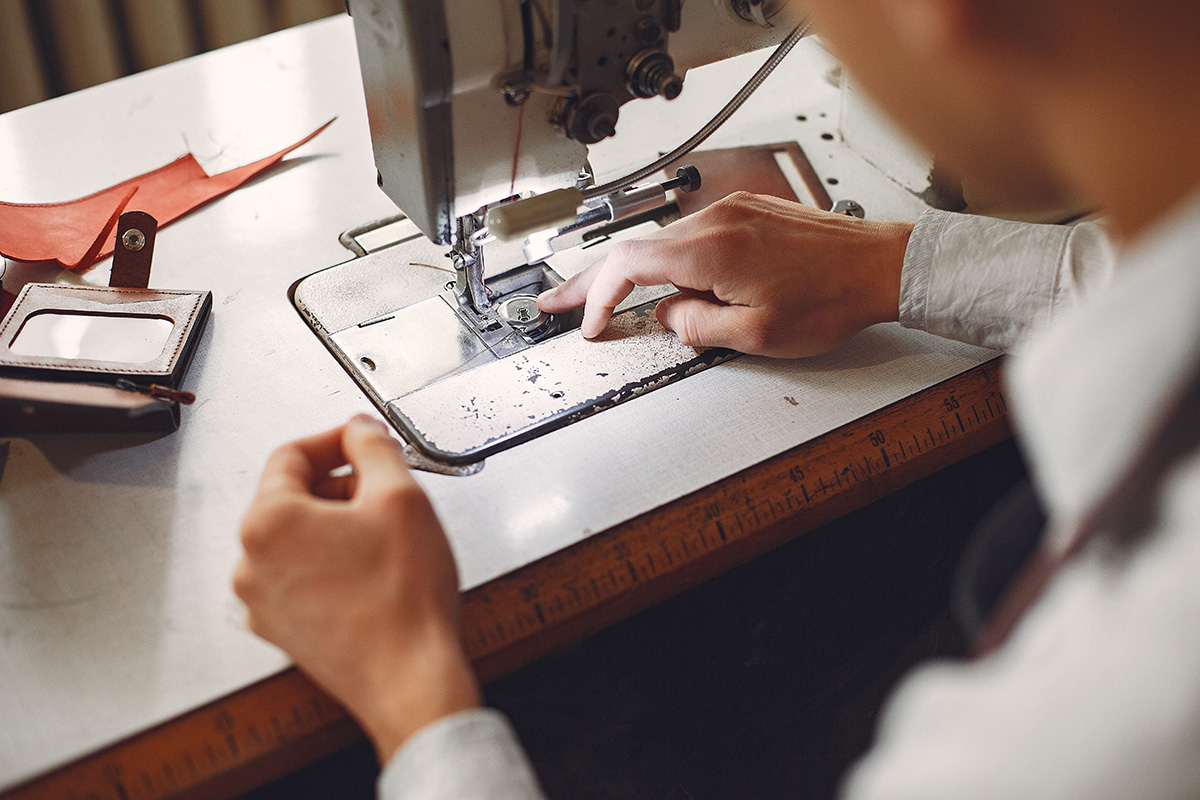
Embroidery builds the patch with thread stitched into a fabric base. We digitize your artwork first, converting shapes into "stitch paths." Satin stitches create smooth, raised borders, while fill stitches provide the background color and structural strength.
Dye Sublimation
Dye sublimation prints artwork directly into the fabric using heat and pressure. We use sublimation when accuracy matters more than texture. It handles full-color artwork, gradients, and photo detail that embroidery cannot reproduce. Sublimated patches feel lighter and lay flatter, making them ideal for performance apparel.
Quality Control
Quality checks run throughout production. We inspect digitized files, test stitch samples, and verify color output before full runs begin.
Our Quality Checkpoints:
- Size Tolerance: Matches approved dimensions exactly.
- Color Match: Aligns with the approved digital proof or Pantone.
- Edge Finish: Clean borders with no fraying or loose threads.
- Backing Adhesion: Secure, even application of heat seal or Velcro.
Applications and Uses of Custom Patches
Custom patches serve clear, practical roles across apparel, uniforms, and special events.
Apparel Branding
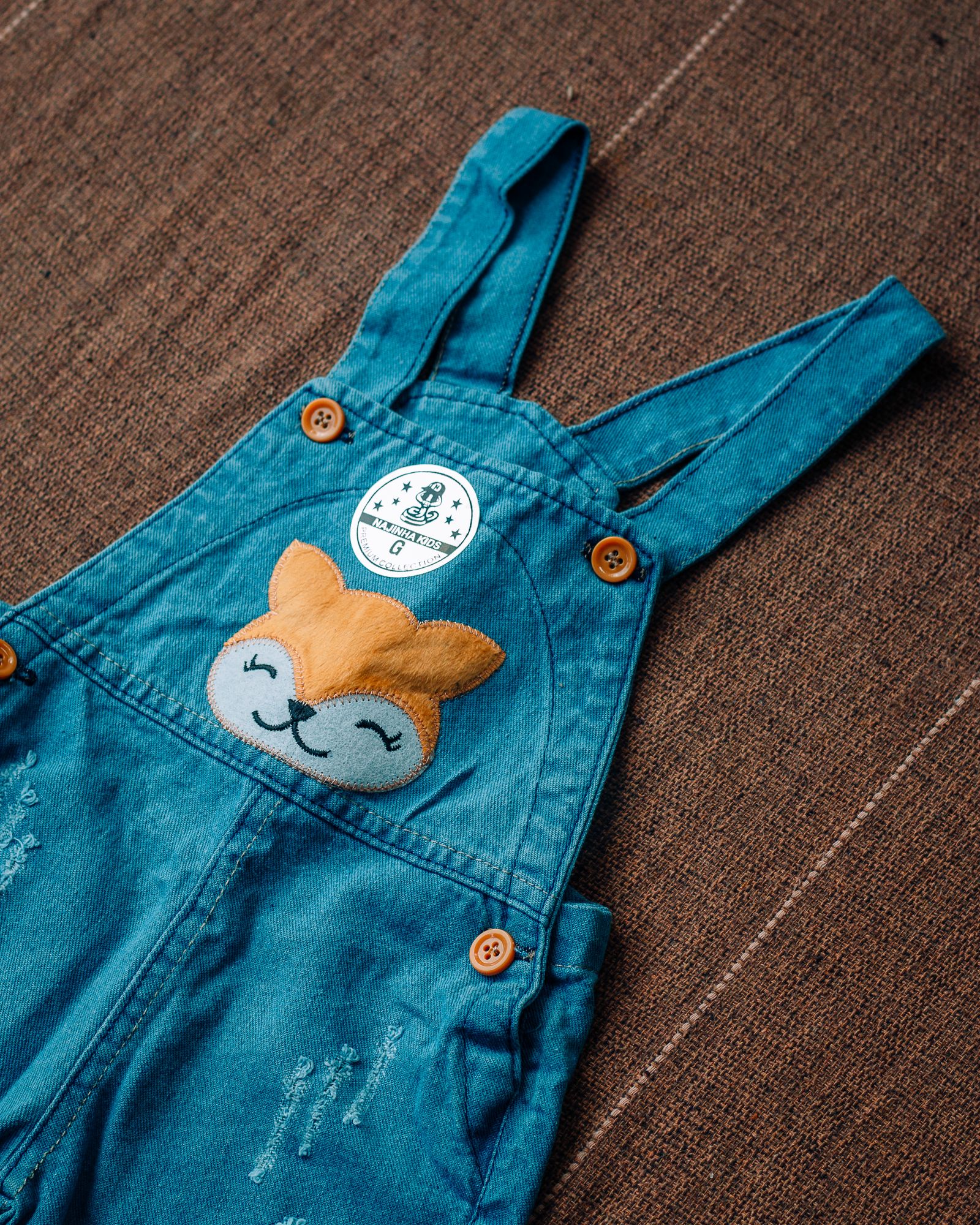
Brands use patches for a premium, multi-dimensional look. Woven patches handle small text for streetwear, while embroidered patches deliver the classic "high-end" texture for corporate outerwear.
Uniform Identification
Organizations rely on patches to communicate rank and role. Patches simplify uniform updates; instead of replacing a $100 jacket, teams simply swap a $2 patch. This is the primary method for law enforcement, security, and emergency services.
Commemorative Patches
Commemorative patches mark milestones like company anniversaries, charity runs, or club reunions. These often feature custom dates or "Limited Edition" text, which increases their value as a keepsake.