0




Key Takeaways
- Tangible Value over Digital Perks: Unlike emails or digital badges, challenge coins provide a physical weight and permanence that makes recognition feel more "real" and memorable to employees.
- A Tool for Every Stage: Coins are highly versatile and can be integrated into onboarding (to welcome new hires), performance programs (to reward top sales or safety), and milestones (to celebrate work anniversaries).
- Culture Reinforcement: By incorporating company logos and mission statements into the design, coins act as a daily visual reminder of the organization’s shared identity and standards.
- The Power of Presentation: The impact of a challenge coin is doubled when it is presented in person by a leader. The "moment of recognition" is just as important as the coin itself.
- Scalable Branding: Effective programs use standardized designs with slight variations (such as different metal finishes or dates) to keep the program organized while still feeling exclusive to the recipient.
You want loyalty that lasts, not perks that fade. Businesses build loyalty by using corporate challenge coins to recognize achievements, reinforce shared values, and give people a tangible reason to feel connected to your company. We see teams respond when appreciation feels personal and visible.
You can use corporate challenge coins to mark milestones, reward performance, and support a strong company culture without complex programs. These coins started in the military and now serve corporations that value teamwork, service, and identity. When you put a well-designed coin in someone’s hand, you turn recognition into something they keep and remember.
We create custom challenge coins at Custom Pins Now to help you apply this strategy with purpose. You will see how these coins work, when to use them, and how to design them to support loyalty and branding. If you want a simple, proven way to strengthen engagement, this approach fits naturally into your recognition plan.
What Are Corporate Challenge Coins?
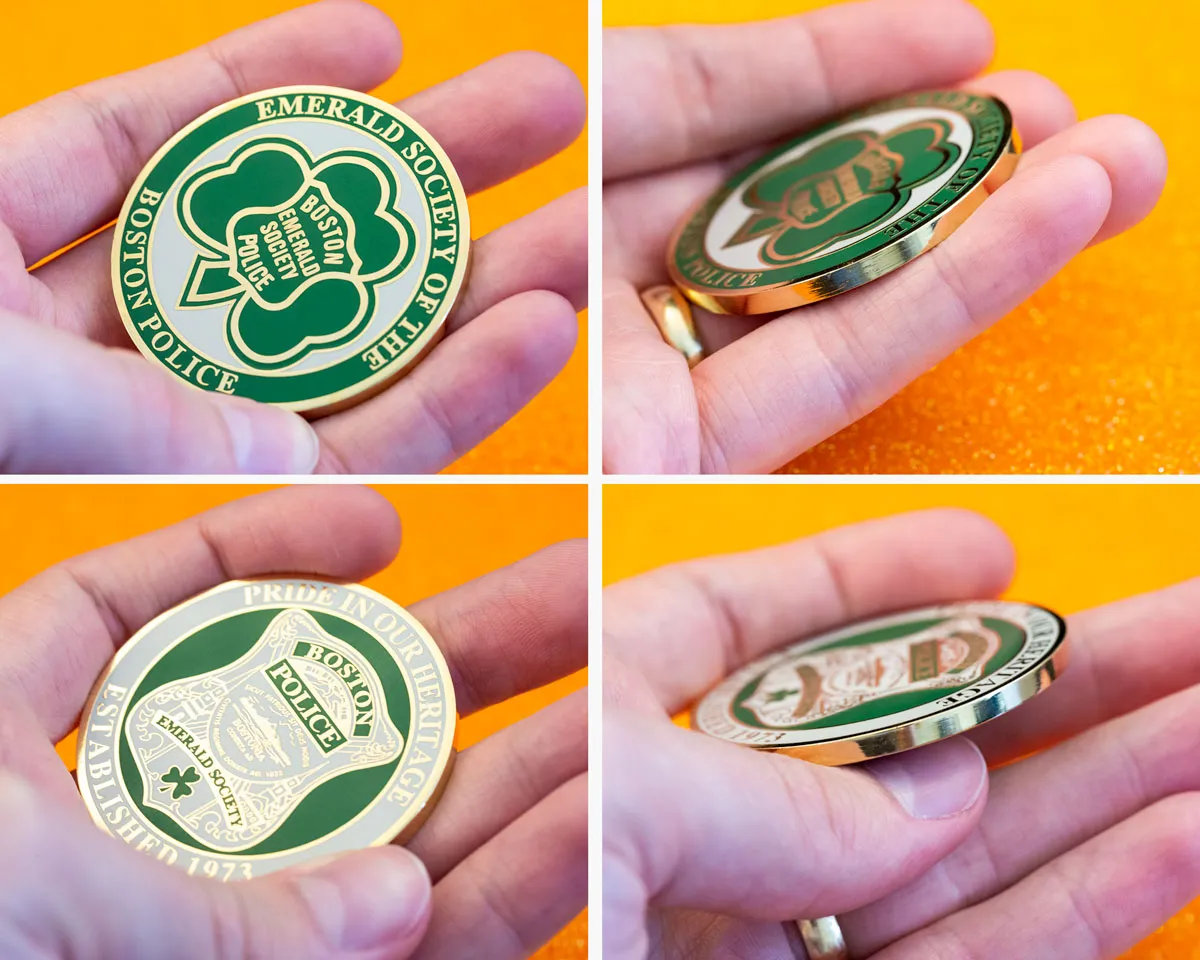
Corporate challenge coins are custom-made metal tokens that companies use to recognize achievements, reinforce values, and strengthen team identity. Businesses design them with specific purposes in mind, from celebrating milestones to honoring exceptional performance.
History and Origins
Challenge coins began as symbols of identity and recognition within military units. Leaders awarded them to mark service, unity, and shared standards. Over time, organizations outside the military adopted the practice.
Companies brought challenge coins into corporate settings to create tangible recognition. Unlike certificates or digital badges, a coin carries weight and permanence. Many businesses now use them to mark years of service, major project completions, or leadership contributions.
We see strong adoption across industries such as technology, manufacturing, healthcare, and finance. The shift reflects a need for recognition tools that feel personal and lasting, not disposable. That history matters because it explains why employees often value coins more than generic rewards.
Types of Corporate Challenge Coins
Companies create challenge coins in several common formats, each tied to a specific goal. Customization allows the coin to match brand identity and purpose.
Common types include:
- Employee recognition coins for performance, safety, or service milestones
- Onboarding coins that welcome new hires and reinforce values
- Project or event coins tied to product launches or company anniversaries
- Leadership coins presented by executives for standout contributions
Design elements vary by use case. Some coins include sequential numbering for exclusivity. Others use color fills, dual plating, or edge text. At Custom Pins Now, we often help teams choose sizes, finishes, and shapes based on how they plan to present and store the coin. That decision affects perceived value and long-term impact.
Symbolism and Meanings
Every element on a corporate challenge coin carries meaning. Logos signal belonging, mottos reinforce expectations, and dates preserve shared experiences. When you design with intent, the coin becomes a practical tool for reinforcing culture:
- Company Logo: Represents membership, brand identity, and professional pride.
- Core Value Text: Acts as a constant reminder of behavioral standards and company mission.
- Unique Imagery: Defines a specific team, department, or project identity.
- Presentation Case: Communicates the importance and high value of the recognition.
Building Employee Loyalty with Challenge Coins
We see challenge coins work best when companies tie them to clear actions and shared values. They support loyalty by recognizing real contributions, strengthening daily collaboration, and marking moments employees remember.
Recognizing Employee Achievements
Challenge coins give recognition a physical form that lasts longer than an email or gift card. When a manager hands an employee a coin for hitting a sales target or leading a successful project, the moment feels deliberate and personal.
Coins work best when the criteria stay clear and consistent. We often recommend linking them to specific actions, such as:
- Exceeding quarterly goals
- Delivering outstanding customer service
- Solving a complex operational problem
Fostering Team Spirit
Challenge coins also support loyalty at the group level, not just individual recognition. Teams respond well when leaders award coins for shared wins, such as completing a rollout on schedule or supporting another department during peak demand.
We see companies use team-based coins to:
- Reinforce collaboration across roles
- Reduce silos between departments
- Create shared symbols of success
Commemorating Milestones
Milestones mark progress, and challenge coins help employees remember those moments. Companies often use coins to recognize anniversaries, product launches, expansions, or long-term service.
Common milestone uses include:
- Work anniversaries (5, 10, or 20 years)
- Company growth events, such as opening a new location
- Major launches that required cross-team effort
Corporate Applications and Best Practices
Branding and Customization
Strong branding starts with deliberate design choices. We recommend aligning coin size, finish, and materials with how you plan to distribute them. For example, executive awards often use heavier coins with enamel fills, while onboarding coins work well with lighter, cost-efficient options.
Common design elements that work well:
- Company logo and official colors
- Short value statements or mission phrases
- Dates or milestone markers
- Department or program identifiers
Internal Engagement Strategies
Challenge coins work best when leaders give them in person and explain why the employee earned them. That moment matters. It creates clarity and makes the recognition feel specific rather than routine.
Many companies set clear rules for distribution. For example:
- Managers can award up to one coin per month
- Coins require a brief written reason
- Peer nominations support eligibility
Incentives and Award Programs
Structured programs give challenge coins measurable value. Below are the most effective ways to implement them:
1. Employee Onboarding
- Timing: Distributed during the first week.
- Best Practice: Pair the coin with a personalized welcome message from leadership to build immediate belonging.
2. Performance Awards
- Timing: Awarded on a quarterly basis.
- Best Practice: Define clear, written criteria so employees understand exactly which behaviors lead to an award.
3. Milestone Recognition
- Timing: Annual anniversaries or at the close of a major project.
- Best Practice: Include specific dates or "Years of Service" markers on the coin to anchor the achievement in time.
Coins can also unlock perks, such as event access or small rewards, without replacing formal compensation. This flexibility makes them easy to scale. If you want help planning quantities or timelines, we can quote your custom challenge coins based on program size and delivery needs.