0

Key Takeaways
- Intent Before Sketch: A clear purpose and a little research produce better concepts than jumping straight to drawing.
- Artwork Decides Cost: Clean details and practical design choices affect price, timeline, and final appearance more than anything else.
- Approve Then Mint: Production runs from design approval through minting, so the proof stage is where you catch problems.
You start with an idea, but you want a finished coin that looks sharp, feels solid, and represents your message with clarity. We help you move from early sketches to polished metal by guiding each decision, from concept and artwork to minting and final quality checks. This process removes guesswork and keeps your project on track.
You turn a coin idea into reality by shaping a clear concept, refining professional artwork, and working with a trusted team that manages production from design approval through minting. We focus on practical design choices, clean details, and materials that fit your goals, whether you need a small run or a large promotional order.
As we walk through how ideas take form, you will see how planning, artwork refinement, and production choices affect cost, timelines, and final appearance. If you want a custom coin that reflects your brand and arrives ready to impress, we make it easy to move from vision to quote with confidence.
Conceptualizing Your Coin Design
A strong coin design starts with clear intent, informed research, and practical sketches. When we define purpose, study proven styles, and draw with production in mind, we reduce revisions and speed up quotes and timelines.
Identifying Your Goals and Purpose
We begin by locking down why the coin exists and who will receive it. A recognition coin for employees needs different visuals than a fundraiser or a unit challenge coin. Purpose drives size, finish, and budget.
Ask direct questions early:
- Who is the audience? Internal team, customers, or the public.
- What action should it support? Recognition, commemoration, or promotion.
- Where will it live? Pocket carry, display case, or packaging.
Clear goals also help us recommend specifications. For example, high-polish plating suits awards, while antique finishes fit heritage themes. When you share goals upfront, we can move faster to a free quote with fewer revisions.
Researching Coin Themes and Trends
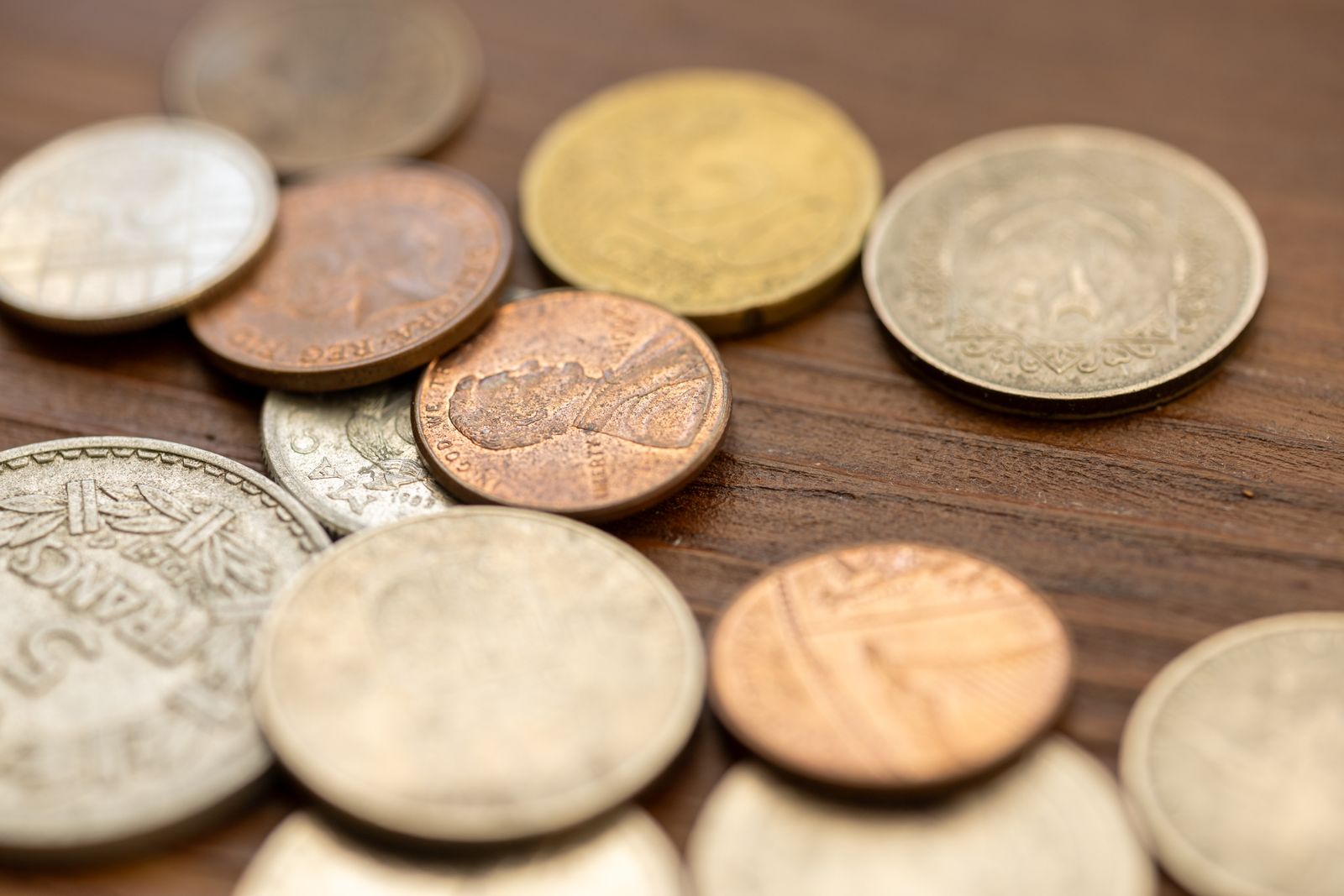
Good research prevents costly redesigns. We study existing coins, historic references, and current manufacturing options to see what works at coin scale. Many modern custom coins favor bold relief, limited color fills, and readable text at small sizes.
We focus on three areas:
- Theme fit: Military, corporate, civic, or event-based symbols.
- Technical limits: Text height, enamel depth, and edge styles.
- Longevity: Designs that still look relevant years later.
- Color — Fewer colors reduce cost and improve clarity
- Relief — Deeper relief adds depth but affects tooling
- Edge — Custom edges increase impact and lead time
Our team at Custom Pins Now uses this research to guide decisions that balance appearance and production reality.
Sketching the Initial Concept
Sketching turns ideas into workable layouts. We recommend starting with simple line art rather than detailed shading. This approach mirrors how coin dies get created and exposes spacing issues early.
Focus on:
- Front vs. back hierarchy: One clear focal point per side.
- Text placement: Keep lettering away from edges and relief peaks.
- Balance: Center weight visually so the coin feels intentional.
You do not need to draw perfectly. Rough sketches communicate intent, proportions, and layout. We refine those sketches into production-ready art and confirm specs before quoting. If you already have a concept, we can review it and move you straight to a fast, no-obligation quote.
Refining and Finalizing Artwork
Clear decisions at this stage prevent delays and rework. We lock down materials, align on finishes, and convert sketches into production-ready files so your coin moves smoothly from idea to approval.
Selecting Materials and Finishes
Material and finish choices affect durability, cost, and how details read on metal. We guide you to options that fit your budget and use case, whether you plan a limited run or a large promotion.
Common choices we recommend:
- Base metals: brass for crisp detail, zinc for complex shapes, iron for value-focused runs.
- Plating: polished gold, antique silver, black nickel, or two-tone for contrast.
- Color fill: soft enamel for texture, hard enamel for a flat, smooth surface.
- Edge style — Flat edges cost less; rope or reeded edges add presence
- Finish — Antique finishes highlight relief and depth
- Thickness — Thicker coins feel premium and last longer
Not sure what fits? We review samples and price ranges before you request a free quote.
Collaborating With Designers
Collaboration keeps your intent intact while meeting manufacturing limits. We pair your idea with practical guidance so lines stay sharp and text remains readable after minting.
We focus on:
- Line weight minimums to avoid fill bleed
- Relief depth to balance clarity and wear
- Text sizing for legibility at coin scale
You stay involved through proofs and revisions. We ask direct questions, suggest specific edits, and document changes to avoid surprises. This approach shortens approval cycles and protects your timeline. When you want a fast estimate, our team can price options alongside design feedback.
Digitalizing Your Sketch
Digital files translate your sketch into exact specs. We convert hand drawings into vector artwork that machines can read without distortion.
Our standard deliverables include:
- Vector files (AI/PDF) with labeled layers
- Color callouts matched to enamel standards
- Dimensions, edge notes, and plating marks
We also clean up proportions and symmetry while preserving your original look. If your sketch lacks detail, we rebuild missing elements based on your notes. The result supports accurate molds and consistent results across batches. Ready to proceed? Upload your sketch and get a free quote to keep momentum.
Production and Minting Process
Turning a finished coin design into a physical product requires clear decisions at each production stage. Manufacturer selection, minting methods, inspection standards, and presentation choices all affect cost, timeline, and final appearance. When we guide clients through this process, we focus on accuracy, durability, and predictable results.
Choosing the Right Manufacturer
The manufacturer controls tooling quality, metal sourcing, and production speed. We vet mints based on experience with custom coins, not just volume capacity.
Key factors we review with you include:
- Minimum order quantities and price breaks
- In‑house die creation versus outsourced tooling
- Material options such as brass, zinc alloy, iron, silver, or gold plating
- Typical production timelines, often 3–5 weeks after approval
Modern mints use automated presses that can strike hundreds of coins per minute, but consistency matters more than speed. We work with partners who document each step and communicate clearly. If you want predictable costs and fewer revisions, manufacturer choice matters as much as the design.
Understanding Minting Techniques
Minting starts once the die is complete. The die carries the final relief of your artwork and stamps it into metal blanks under high pressure.
Common techniques include:
- Die‑struck coins for sharp detail and long-term durability
- Soft enamel for recessed color with texture
- Hard enamel for smooth, polished surfaces
- Proof‑style finishes using polished dies for higher contrast
After striking, coins undergo trimming, polishing, and plating. Many mints harden and coat dies, sometimes with chromium, to extend die life and maintain detail over large runs. We help you choose techniques that match your budget and how the coin will be used.
Quality Control and Prototyping
Quality control starts before full production. Most custom coin projects begin with a digital proof, followed by an optional physical sample.
We look for:
- Correct dimensions and edge cuts
- Accurate metal weight and thickness
- Clean lines in raised and recessed areas
- Consistent color fills and plating coverage
Mints inspect coins after striking and again after finishing. Automated checks catch alignment issues, while manual inspections catch surface flaws. Prototyping reduces risk, especially for large orders or detailed designs. If you want confidence before committing, we recommend approving a sample first.
Packaging and Presentation Options
Packaging affects perceived value and how recipients remember your coin. We help you match presentation to purpose, whether for events, recognition, or retail.
Popular options include:
- Poly bags for cost‑efficient bulk orders
- Velvet pouches for giveaways and awards
- Acrylic capsules for protection and display
- Custom presentation boxes with foam inserts
Packaging choices also affect shipping weight and storage. If you plan to mail coins individually, we factor that into sizing and materials. When you’re ready, we can price packaging alongside production so you get one clear quote without surprises.