0


Key Takeaways
- Round Wins on Function: Circles stack easily, mint efficiently, and run smoothly through machines, which is why they dominate.
- Shape Buys Attention: Square, polygonal, and holed coins stand out when visibility and recognition matter more than tradition.
- Grip Is a Feature: Non-round shapes improve handling and make a piece feel distinct the moment someone picks it up.
Coins feel round because that shape dominates everyday use, but you’ve probably noticed exceptions that stand out. We see circles everywhere because they stack easily, mint efficiently, and work smoothly in machines. Still, shape does more than follow habit.
Round coins remain the most popular, yet other shapes often perform better when visibility, grip, or brand recognition matter more than tradition. Square, polygonal, and holed coins solve specific problems and create stronger visual identity. Those choices explain why many modern designs move beyond the circle.
We design custom products with the same thinking. If you want a piece that feels distinct in the hand and memorable at a glance, shape becomes a strategic decision, not a default. This guide shows how different coin shapes work and how those principles apply when you create something custom.
Overview of Coin Shapes
Coin shapes affect how money moves through machines, how people recognize value, and how designs communicate identity. Circulating coins favor efficiency, while non-circulating and promotional pieces prioritize visibility and meaning. Understanding these differences helps when choosing shapes for custom coins or pins.
Common Geometries in Circulation
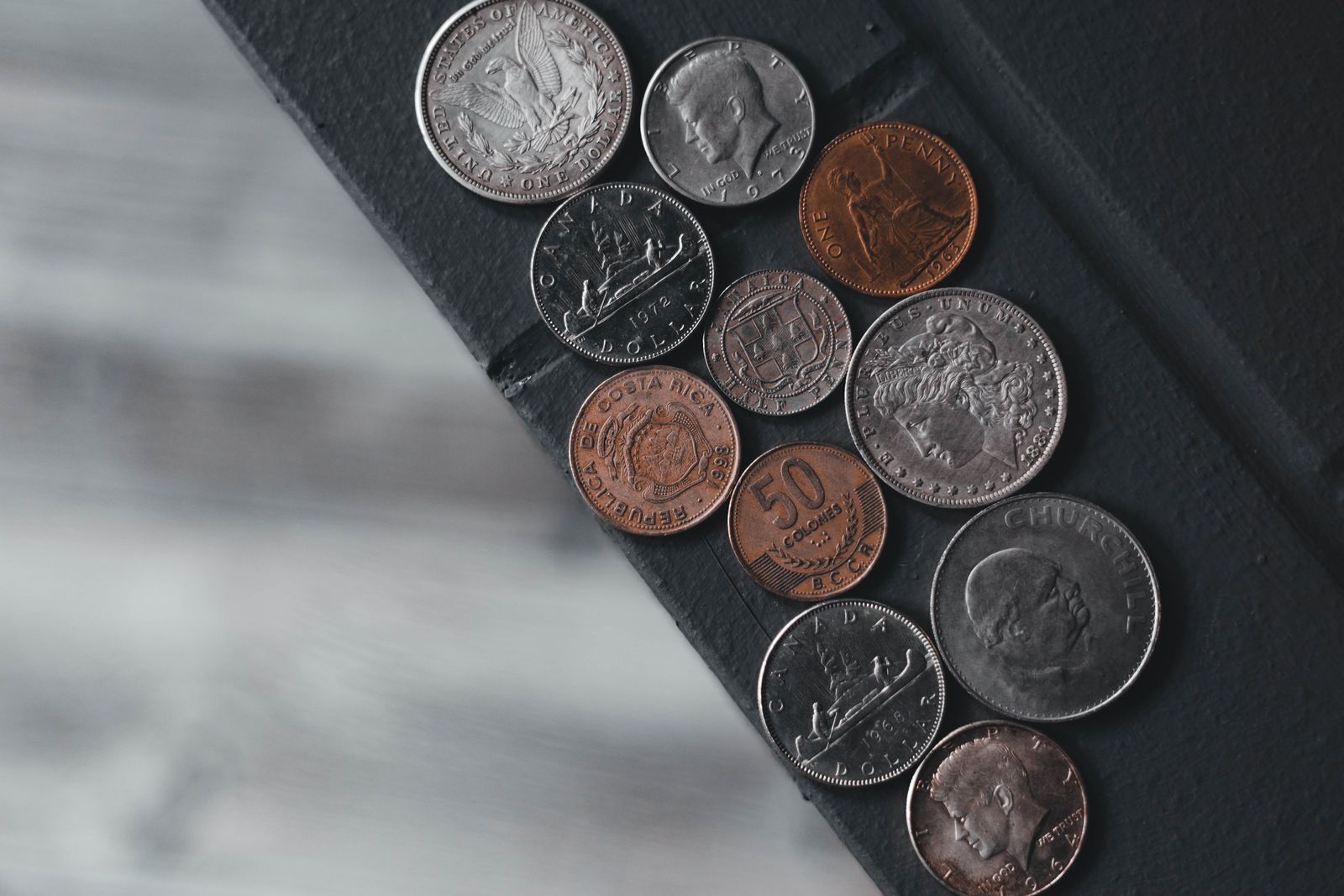
Most circulating coins use round shapes, and mints chose them for practical reasons. Round coins roll predictably, strike evenly during minting, and move smoothly through vending and counting machines. These traits reduce jams and wear, which matters at national scale.
Other shapes also appear in daily use, though less often. Several countries issue heptagonal or multi-sided coins to help users distinguish denominations by touch and sight. Some coins include center holes, which improve handling and reduce metal use.
Common circulation shapes include:
- Round: dominant worldwide due to manufacturing efficiency
- Polygonal (5–12 sides): improves tactile recognition
- Holed: aids sorting and carrying
When we design custom coins or pins, these same principles apply. Shape directly affects usability and recognition.
Unique and Unconventional Designs
Outside circulation, designers experiment freely with shape. Collectible and commemorative coins appear as triangles, scalloped edges, ovals, and custom silhouettes. Some even interlock as puzzle pieces or form a larger image when assembled.
These shapes work because they do not need to pass through machines. They exist to tell a story, mark an event, or stand out in a display. That same logic drives demand for custom-shaped promotional coins and pins.
Distinct shapes help brands:
- Reinforce logos or mascots
- Increase perceived value
- Improve memorability
If your goal involves attention or storytelling, round may limit you. Custom Pins Now often sees higher engagement when clients choose shapes tied directly to their message.
Historical Trends of Shape Preferences
Early coins formed from struck metal lumps, which naturally spread into rough circles. Over time, mints refined the process, and round shapes became standard because they balanced durability and efficiency. Tradition then reinforced the choice.
As technology improved, mints experimented more. Modern examples include polygonal coins and holed designs used for differentiation and fraud reduction. Collectors and commemorative programs pushed boundaries even further with non-standard shapes.
History shows a clear pattern:
- Ancient — Shape Trend: Roughly round — Primary Reason: Physical striking limits
- Industrial — Shape Trend: Uniform round — Primary Reason: Speed and consistency
- Modern — Shape Trend: Mixed shapes — Primary Reason: Recognition and design freedom
We see the same evolution in custom products today. When function matters most, round works. When impact matters, custom shapes win.
Round Coins: Popularity and Drawbacks
Round coins dominate circulation because they solve practical problems in manufacturing and handling, but that dominance comes with tradeoffs. For branded items like custom coins and pins, those tradeoffs affect usability, recognition, and design flexibility.
Reasons for Prevalence
Mints adopted round coins early because metal naturally spreads into a circular form when struck. This shape reduces stress on dies, extends tool life, and speeds up production.
Round coins also move smoothly through machines. Vending systems, coin sorters, and counting equipment rely on consistent rolling behavior and uniform diameter.
Other practical benefits matter in daily use:
- No sharp corners, which lowers wear and tear
- Easy stacking and storage
- Predictable weight distribution
These factors explain why most modern currencies stay round. For large-scale circulation, the efficiency gains outweigh design limitations.
Challenges with Round Coins
Round coins roll easily, which creates a small but real usability issue. Dropped coins travel farther than flat-edged shapes, especially on sloped surfaces.
From a design standpoint, round shapes limit differentiation. When many coins share similar sizes, users rely on diameter or edge reeding to tell them apart.
Security and branding also face constraints:
- Fewer unique tactile cues
- Less space for distinct silhouettes
- Higher similarity across denominations
For promotional products, this sameness can weaken recognition. If you want a piece that stands out in a pocket or on a desk, round may not serve that goal well.
Comparison to Other Shapes
Non-round coins trade machine efficiency for usability and identity. Square, hexagonal, and scalloped designs resist rolling and offer clear tactile feedback.
The table shows how round coins compare to common alternatives:
- Machine compatibility — Round: High — Polygonal: Moderate to low
- Roll resistance — Round: Low — Polygonal: High
- Visual distinction — Round: Limited — Polygonal: Strong
- Design flexibility — Round: Moderate — Polygonal: High
Many modern commemorative and promotional coins use non-round shapes for this reason. When we help clients design custom coins or pins, shape often drives memorability. If brand recall matters, a custom shape can do more work than added text or color.
Square, Polygonal, and Novelty Coin Shapes
Non-round coins solve specific problems and create instant visual identity. Mints use angles, holes, and unusual outlines to improve handling, prevent confusion, or mark special issues. These same principles guide how we design custom coins and pins for brands that want to stand out.
Square and Polygonal Examples
Square and polygonal coins appear across long stretches of monetary history. Japan’s Tenpō Tsūhō from the 19th century used a rectangular form with a central hole, which made stacking and carrying easier.
Modern circulation still uses polygons. The UK 50 pence coin uses a seven‑sided heptagon, which helps users identify it by touch and reduces size confusion with other denominations.
Common polygonal shapes include:
- Square: China, India, and parts of Europe in early coinage
- Heptagonal: United Kingdom circulation coins
- Hexagonal and octagonal: Select European and commemorative issues
These shapes prove that practicality, not novelty, often drives the design choice.
Practical Uses of Alternative Shapes
Alternative shapes often serve functional needs. Vending machines, coin sorters, and transit systems rely on shape recognition alongside weight and diameter. Polygons provide more data points than a simple circle.
Holed coins offer another example. Many Asian and Scandinavian coins used center holes to:
- Reduce metal use
- Allow stringing for transport
- Improve grip and identification
Scalloped or wavy edges also appear in circulation. They help users distinguish coins by feel, which matters in low‑light or accessibility contexts.
When we design custom coins or pins, we apply these same rules. Shape influences usability, recognition speed, and perceived quality.
Iconic Non-Round Coins
Some coins exist purely to communicate meaning. Non‑circulating commemorative coins appear as maps, instruments, buildings, and symbols, officially issued by governments for collectors.
These designs work because the shape reinforces the story. A guitar‑shaped coin instantly signals music. A map outline signals national pride.
Popular novelty formats include:
- Triangular coins for anniversaries
- Scalloped edges for limited editions
- Custom outlines tied to events or brands
This approach translates directly to promotional products. If you want a piece people keep, shape matters. We help teams turn those ideas into custom coins and pins-starting with a free quote that matches your goals and timeline.
Factors Influencing Coin Shape Selection
Coin shape choices balance production limits, daily handling needs, and cultural meaning. Governments weigh cost, security, and public recognition, while brands and organizations often prioritize symbolism and differentiation for custom pieces.
Manufacturing and Security
Mints favor shapes that move smoothly through high-speed presses and counting machines. Round coins dominate circulation because they strike evenly, reduce die wear, and align easily during minting.
Non-round shapes still serve a purpose, especially for security. Distinct edges or angles help machines and people detect counterfeits faster. That’s why you see heptagonal or scalloped coins, such as the UK 50 pence, which machines identify by width and angles rather than diameter alone.
Key manufacturing factors include:
- Tooling cost and durability
- Compatibility with vending and banking equipment
- Edge treatments, like reeding or lettering, to prevent shaving and fraud
For custom coins or pins, we apply the same logic. Unique shapes add visual impact, but production still needs to stay efficient to control cost and timelines.
Usability for the Public
Everyday handling shapes public acceptance. Round coins stack, roll, and pocket easily, which explains their long-term popularity in circulation.
Non-round designs improve usability in specific cases. Coins with flat edges help users distinguish denominations by touch. Holed coins, common in parts of Asia, allow people to string them together for storage or transport.
Public usability often depends on:
- Ease of identification by feel
- Comfort when carried
- Speed during transactions
When we design custom promotional coins, we ask the same questions. Will recipients keep it? Will it feel intentional in the hand? Those answers guide whether round, polygonal, or cut-out shapes make the most sense.
Cultural and Symbolic Considerations
Coin shapes often reflect history, identity, and values. Shape communicates meaning before anyone reads the design.
Examples include:
- Holed coins in Japan and China, tied to historical currency systems
- Multi-sided coins used to mark anniversaries or national milestones
- Novelty shapes for non-circulating or commemorative issues
For organizations, shape becomes part of the message. A shield shape suggests protection. A badge outline signals authority. A custom silhouette creates instant recognition.
That’s where custom pieces shine. When you choose a shape that aligns with your brand or event, the coin becomes more than a token. If you’re considering a custom shape for a campaign or giveaway, we can help you balance meaning, cost, and production-and get you a fast, free quote when you’re ready.