0



Key Takeaways
- Supporters Carry It: A patch turns your mission into something supporters wear and spread on your behalf long after an event ends.
- Worth Keeping: Design something people actually want on a jacket or bag, or it never leaves the drawer.
- Budget Goes Far: Patches deliver repeat visibility at low cost, which suits nonprofits watching every dollar.
You want practical ways to increase awareness without stretching your budget. Custom patches give you a simple, tangible tool that supporters can wear, share, and recognize at a glance. We see nonprofits use them to spark conversations, reinforce identity, and stay visible long after an event ends.
Custom patches help you boost awareness by turning your mission into a wearable symbol that supporters proudly display and spread for you. When you design patches with clear visuals and purpose, you create consistent branding that travels on jackets, bags, hats, and uniforms. We help you choose styles, materials, and designs that align with your cause and feel worth keeping.
As we move forward, we’ll show you why patches matter, how to design them effectively, and how to promote them for real reach. You’ll also see how to maximize impact while keeping costs controlled, so every stitch supports your goals. If you’re ready to explore options, we make it easy to request a fast, free quote and get started.
Why Custom Patches Matter for Nonprofits
Custom patches give nonprofits a practical way to show who they are, connect with supporters, and stay visible beyond digital channels. They support awareness, strengthen participation, and create items people keep and use.
Increasing Brand Awareness
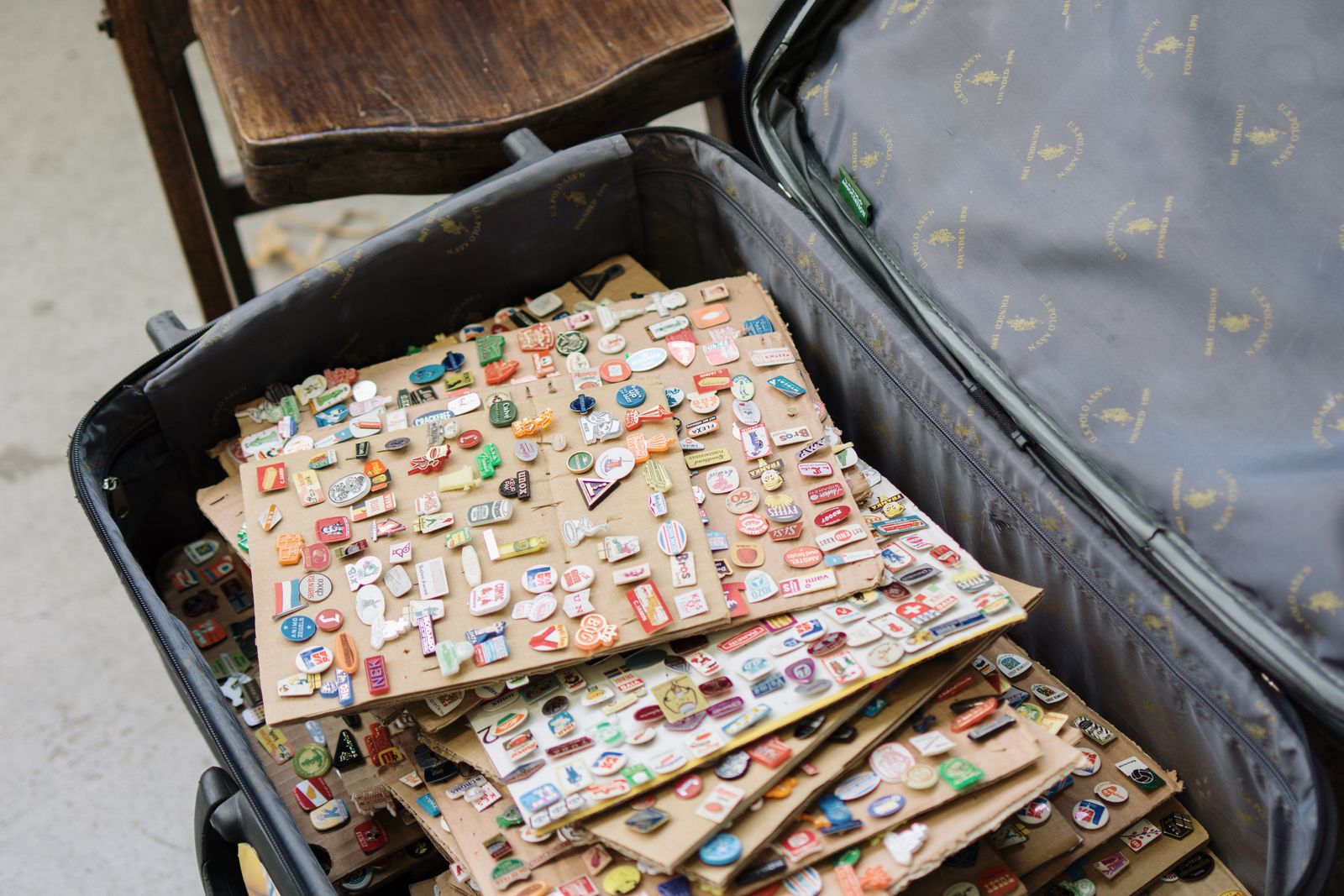
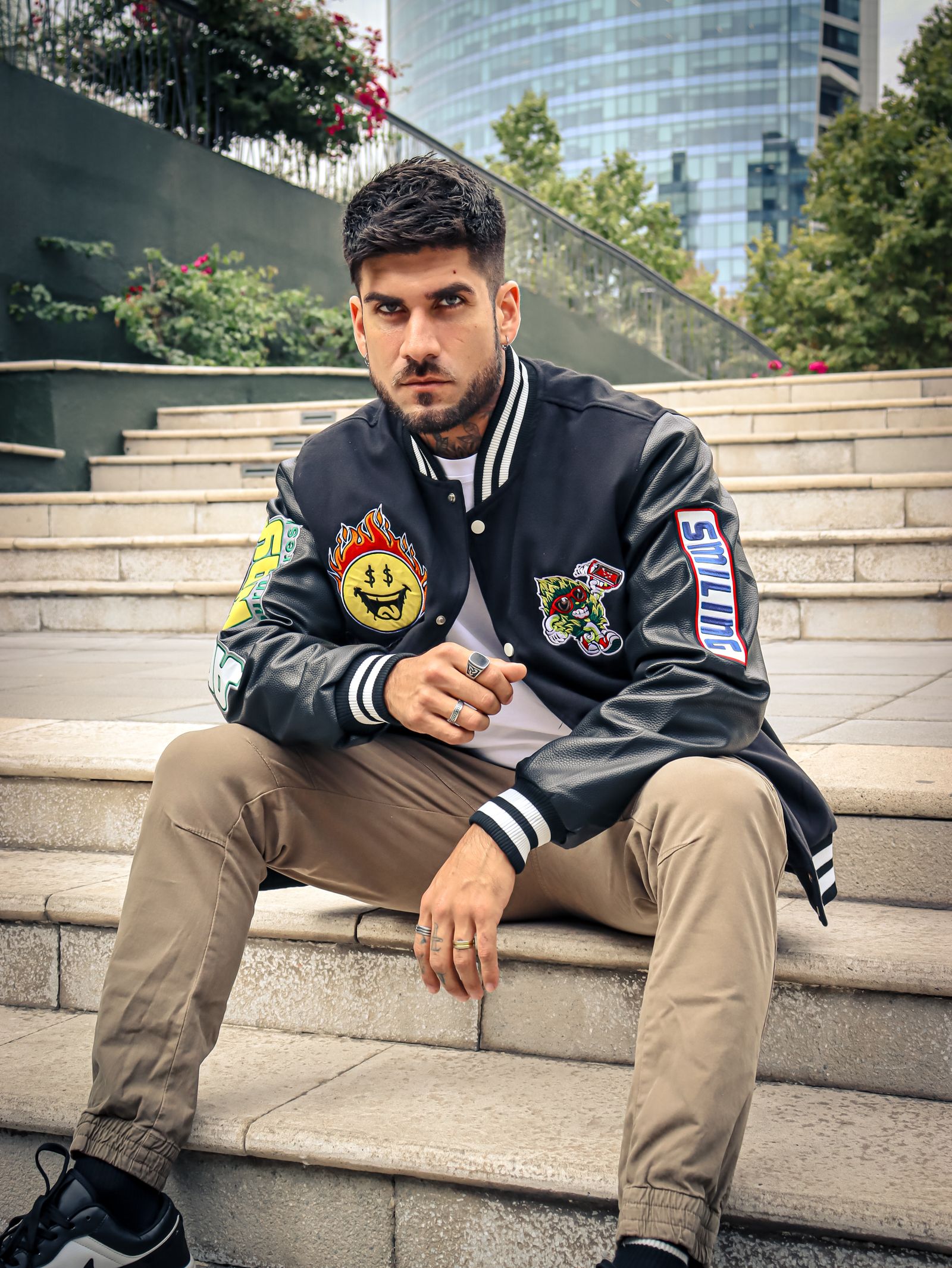
Custom patches turn your mission into something people can see and wear. When volunteers, staff, or donors place a patch on jackets, bags, or uniforms, your logo and message travel with them into daily life.
Patches work especially well because they stay visible over time. Unlike flyers or emails, they do not disappear after one interaction. A well-designed patch reinforces your name, colors, and tagline every time someone sees it.
Common branding uses include:
- Volunteer identification at events and outreach programs
- Logo patches for uniforms or apparel
- Mission-focused designs tied to a specific cause or campaign
At Custom Pins Now, we help nonprofits design patches that stay clear at small sizes, so your brand remains easy to recognize in real-world settings.
Fostering Community Engagement
Patches help people feel part of something shared. Nonprofits often give them to volunteers as recognition, which builds pride and encourages ongoing involvement.
Supporters value tangible items that reflect their contribution. A patch earned through service or participation signals commitment and belonging. Many organizations also involve their community in the design process, which increases adoption and wear.
Ways nonprofits use patches to engage supporters include:
- Volunteer appreciation tokens
- Milestone or event patches
- Limited designs created with member feedback
These approaches align with how nonprofits use patches to build community bonds and shared identity.
Creating Lasting Impressions
Custom patches create a physical connection that digital branding cannot replace. People keep them, display them, and associate them with real experiences.
Patches also support fundraising. Many nonprofits sell mission-driven designs to raise funds while spreading awareness at the same time. Supporters often wear these patches proudly because they represent a cause they believe in.
Key benefits of patches as lasting tools include:
- Durability compared to paper materials
- Emotional value tied to participation or support
- Repeat exposure through ongoing use
When you want a cost-effective product that delivers long-term visibility, custom patches offer strong value. We make it easy to request a free quote and turn your ideas into patches that supporters actually want to wear.
Designing Effective Custom Patches
Effective nonprofit patches balance clear visuals, durable materials, and concise messaging. When we align these elements, patches stay readable at a distance, hold up to daily wear, and communicate your mission without extra explanation.
Choosing Meaningful Symbols and Colors
Symbols do the heavy lifting on a small canvas. We recommend choosing one primary icon that directly reflects your cause, such as a ribbon, animal, tool, or local landmark tied to your mission. Avoid crowded layouts that dilute meaning.
Color choices should support recognition and legibility. High-contrast combinations improve visibility on jackets, bags, and hats. Many nonprofits rely on brand colors to maintain consistency across campaigns.
Focus on symbols that:
- Represent a single, clear idea
- Stay recognizable at small sizes
- Connect emotionally without added text
If you already use a logo, we can adapt it into a patch-friendly format without losing identity.
Selecting High-Quality Materials
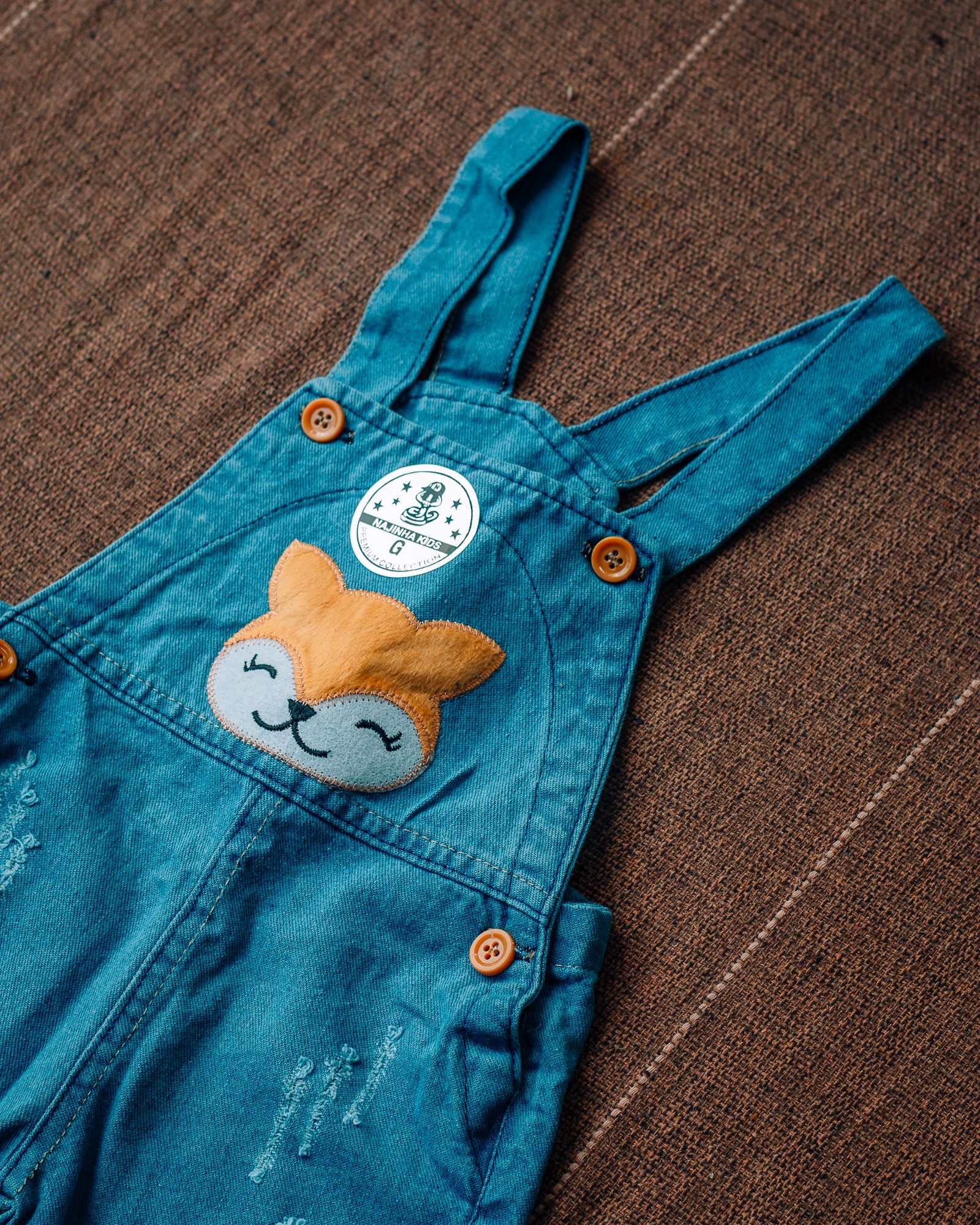
Material choice affects both appearance and lifespan. Embroidered patches work well for bold designs and frequent use. Woven patches handle fine details and small text with cleaner edges. PVC patches resist moisture and suit outdoor or youth programs.
We also guide nonprofits on backing options. Iron-on works for easy distribution, while sew-on lasts longer for uniforms and gear. Hook-and-loop fits volunteer groups that need flexibility.
Common options at Custom Pins Now:
- Embroidered — Jackets, backpacks
- Woven — Detailed logos, text
- PVC — Outdoor events
- Iron-on — Fundraisers, giveaways
Quality materials reduce replacement costs and protect your reputation.
Incorporating Nonprofit Messaging
Short text performs best on patches. We advise limiting wording to a name, acronym, or action phrase. Long sentences lose clarity, especially from a distance.
Strong patches often pair a symbol with minimal text. This approach supports awareness without overwhelming the design. It also makes the patch wearable in more settings.
Ask yourself a simple question: What should someone understand in three seconds? That answer should drive your wording.
If you want help refining your message or testing layouts, we offer free digital proofs and fast quotes. We make it easy to move from idea to production without guesswork.
Best Practices for Promoting Nonprofits with Patches
Custom patches work best when nonprofits use them with intention. Events, partnerships, and people all shape how far a patch travels and how clearly it communicates your mission.
Leveraging Events and Fundraisers
Events give patches a clear purpose and a defined audience. We see strong results when nonprofits sell or include patches with ticket purchases, donation tiers, or registration packets.
Short-run designs tied to a specific event often drive urgency. Attendees value items that mark their participation and support.
Effective event uses include:
- Charity walks, runs, and rides
- Annual galas or benefit dinners
- Community festivals and open houses
A simple display at the check-in table increases visibility. Staff and volunteers should wear the patch during the event to reinforce recognition.
- Fundraiser — Patch Role: Add-on or incentive — Promotion Benefit: Increases donation value
- Awareness event — Patch Role: Free giveaway — Promotion Benefit: Expands message reach
- Ticketed event — Patch Role: Included item — Promotion Benefit: Improves attendee recall
If you plan multiple events, we can help you request a free quote for tiered pricing and coordinated designs.
Collaborating with Local Businesses
Local businesses extend the reach of your patches beyond your own audience. We recommend co-branded designs that include your nonprofit’s logo and a subtle partner mention.
Retailers, cafés, and gyms often agree to display or sell patches when proceeds support a local cause. This approach works best when you limit distribution to a defined time window.
Clear agreements matter. Decide in advance how revenue splits, where patches appear, and how both brands promote the effort.
Strong collaboration tactics:
- Counter displays near checkout
- Staff uniforms with the patch applied
- Joint social media announcements
Custom Pins Now supports small-batch orders, which helps you test partnerships without overcommitting.
Engaging Volunteers and Supporters
Volunteers act as your most consistent brand carriers. A well-designed patch gives them a visible marker of involvement and recognition.
We suggest issuing patches for milestones such as onboarding, event participation, or years of service. This creates continuity and encourages long-term engagement.
Supporters also share patches organically. Backpacks, jackets, and hats turn everyday use into repeated exposure.
Design tips that matter:
- Keep text readable at a distance
- Use durable backing for frequent wear
- Match colors to your existing brand assets
When supporters ask where to get more, that’s your moment. Direct them to your campaign page, and let us handle the custom quote process.
Maximizing Impact and Outreach
Custom patches work best when we pair strong design with deliberate promotion, smart distribution, and clear tracking. When we plan each step, patches move beyond merchandise and become tools for awareness, fundraising, and long-term supporter engagement.
Using Social Media Campaigns
We amplify patch visibility by building campaigns around real use, not product shots alone. Supporters should wear the patch and share where and why they use it. That approach mirrors how nonprofits already create tangible connections with volunteers and donors through logo-driven designs.
Effective tactics include:
- Hashtag campaigns tied to a specific cause or event.
- Volunteer spotlights showing patches on jackets, bags, or uniforms.
- Limited-run patch drops to support short fundraising pushes.
Because patches stay on clothing and gear, they outlast flyers and stickers that people discard. Each shared photo extends reach at no added cost. When you plan a campaign, we can size, color, and finish patches to photograph clearly across platforms.
Distributing Patches Strategically
Distribution determines whether patches support awareness or sit unused. Nonprofits succeed when they place patches at moments tied to action or emotion.
We recommend focusing on:
- Events and walks where participants wear patches immediately.
- Volunteer recognition as a visible thank-you item.
- Donor incentives for specific giving levels or milestones.
Some nonprofits report stronger donor loyalty and repeat support when they use physical items as recognition tools rather than digital-only rewards. Patches also work well in welcome kits or online shops. At Custom Pins Now, we help you choose backing types and quantities that match how and where patches will circulate.
Measuring Awareness Growth
We measure impact by tracking behavior, not assumptions. Patches support awareness when they lead to visible engagement and follow-up actions.
Key metrics to watch:
- Social mentions — Public visibility and sharing
- Event sign-ups — Awareness converting to action
- Repeat donors — Long-term engagement
We also suggest adding QR codes on packaging or campaign cards to link patches directly to landing pages or free quote requests. When you connect distribution points to measurable outcomes, patches become a repeatable outreach asset, not a one-time expense.